Samsung Galaxy Watch Ultra2, Watch9 launched with bigger batteries and AI health tools
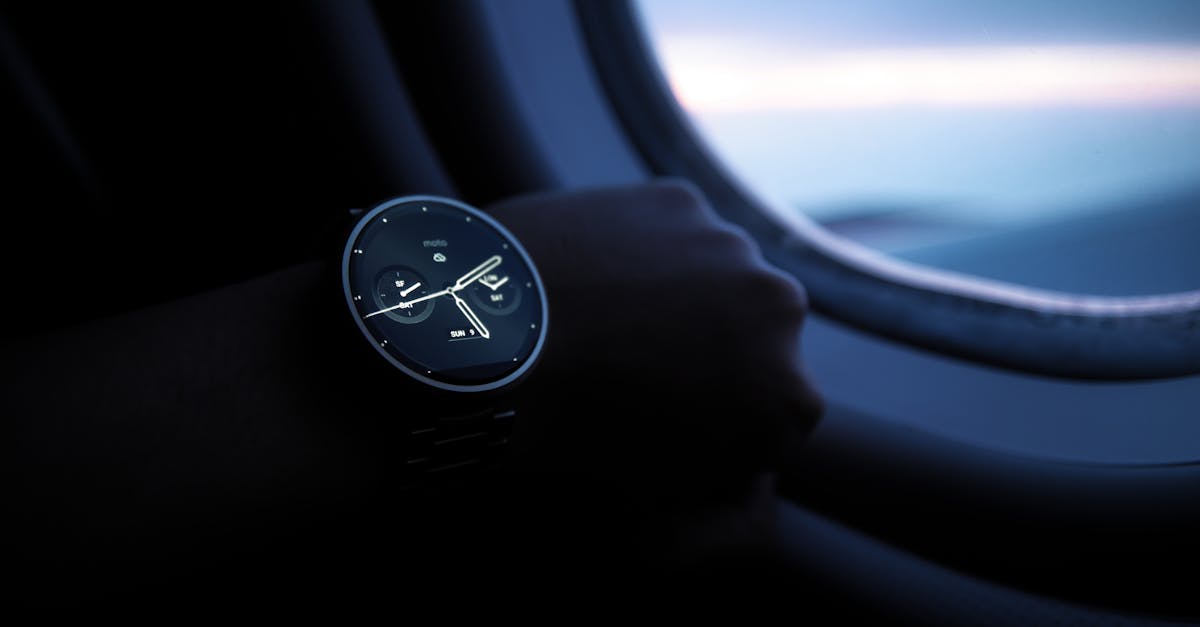
- Both models feature larger batteries and improved display brightness.
- New AI health tools include advanced sleep tracking and stress management.
- Samsung targets fitness enthusiasts and everyday users with distinct tiers.
Bigger Batteries and Brighter Screens
Samsung has officially launched the Galaxy Watch Ultra2 and Galaxy Watch9, bringing significant hardware upgrades to its smartwatch lineup. Both models pack larger batteries than their predecessors, promising extended usage between charges.
The displays on both watches are now brighter, making them easier to read under direct sunlight. Samsung claims the panels are among the brightest in the category, though exact nits figures have not been disclosed for all markets.
AI-Powered Health Tracking Takes Centre Stage
The headline feature for both watches is the suite of AI-driven health tools. Samsung's new algorithms analyse sleep patterns, stress levels, and activity data to provide personalised recommendations.
The Galaxy Watch Ultra2, positioned as the rugged option for athletes, includes enhanced GPS accuracy and a dedicated multi-sport mode. The Watch9 targets general consumers with a slimmer profile and a focus on everyday wellness metrics like heart rate variability and blood oxygen monitoring.
Pricing and Availability
The Galaxy Watch Ultra2 starts at Rs 54,999 for the 47mm Bluetooth variant, while the Watch9 begins at Rs 34,999 for the 40mm model. Both watches are available for pre-order starting today, with general sales beginning next week.
Samsung has confirmed that LTE variants will cost an additional Rs 5,000 across both models. The watches will be sold through Samsung's online store, major e-commerce platforms, and retail outlets nationwide.
What Sets Them Apart
The Ultra2 is built for durability, with a titanium case and sapphire crystal glass. It is water-resistant up to 100 metres and meets military-grade shock resistance standards. The Watch9 uses aluminium and Gorilla Glass DX, making it lighter but less rugged.
Battery life is a key differentiator. The Ultra2 is rated for up to 60 hours on a single charge, while the Watch9 manages around 40 hours. Both support fast charging, reaching 45% in 30 minutes.
Software and Ecosystem
Both watches run Samsung's One UI 6 Watch, based on Wear OS 5. They support Google Play Store apps, Google Wallet, and seamless pairing with Samsung Galaxy smartphones. Samsung Health integration remains central, with the new AI features requiring a recent Galaxy phone for full functionality.
Competition in the premium smartwatch segment is heating up. Apple, Pixel, and Garmin all have offerings in similar price brackets. Samsung's move to double down on AI health tools is a clear attempt to carve out a niche.
Industry watchers will be keen to see if the new AI features drive upgrades among existing Galaxy Watch users or attract first-time buyers. With pre-orders now open, the market response should be evident in the coming weeks.