Sensex, Nifty Fall 1% as Oil Surge Triggers Bank Stock Rout
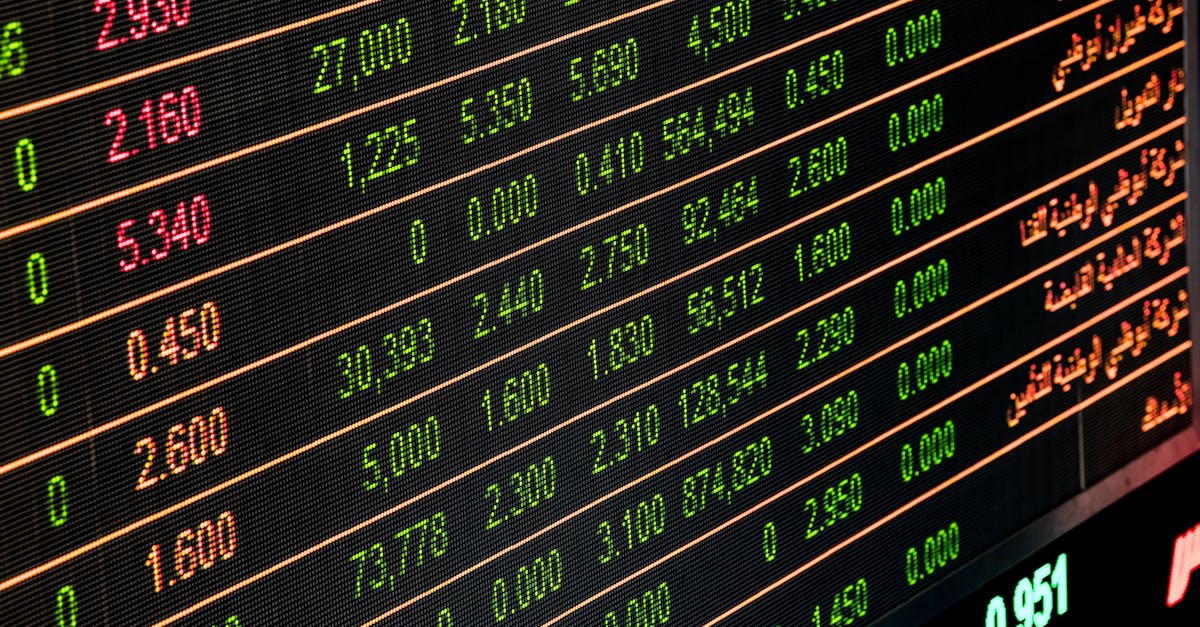
- Sensex and Nifty dropped 1% amid rising crude oil prices.
- Bank stocks led the decline, with the Nifty Bank index falling over 1.5%.
- Investors worried about inflation and its impact on corporate margins.
Markets in the Red
Indian equity benchmarks fell sharply on Wednesday, with the Sensex and Nifty shedding over 1% each. The sell-off was broad-based but led by banking stocks, as a spike in global crude oil prices rattled investor sentiment.
The BSE Sensex dropped over 700 points in intraday trade, while the Nifty50 slipped below the 24,500 mark. The Nifty Bank index tumbled more than 1.5%, making it the worst-performing sectoral index of the day.
Crude Oil Shock
Brent crude futures surged past $85 a barrel, their highest level in weeks, after supply concerns re-emerged. The rally in oil prices stoked fears of higher imported inflation for India, which meets over 80% of its crude oil needs through imports.
Higher oil prices typically hurt India's trade balance and widen the current account deficit. They also increase input costs for companies, squeezing profit margins and dampening investor appetite for equities.
Bank Stocks Take a Hit
Banking stocks bore the brunt of the selling pressure. Heavyweights such as HDFC Bank, ICICI Bank, and State Bank of India declined between 1.5% and 3%. Analysts attributed the weakness to concerns over rising funding costs and potential pressure on net interest margins.
“Rising oil prices could delay the expected rate cut cycle, which would be negative for banks,” said a market analyst. “The sector is also seeing profit-booking after a strong run in recent months.”
Broader Market Weakness
The sell-off was not limited to banks. Midcap and smallcap indices also fell sharply, as risk appetite waned. Auto and oil marketing stocks were also under pressure, with the former facing the double blow of higher fuel costs and sluggish demand.
Investors are now closely watching global cues, particularly the trajectory of crude oil and the US Federal Reserve's policy stance. Any further escalation in geopolitical tensions could keep markets volatile in the near term.
Meanwhile, foreign portfolio investors turned net sellers, adding to the selling pressure. Domestic institutional buyers provided some support, but could not stem the slide.
What Lies Ahead
Traders expect the market to remain jittery until clarity emerges on the oil price trajectory. The next major trigger will be the monthly auto sales data and the quarterly earnings reports from key companies. Until then, volatility may persist.