US Military Strikes Iran for 11th Consecutive Night: Analysis
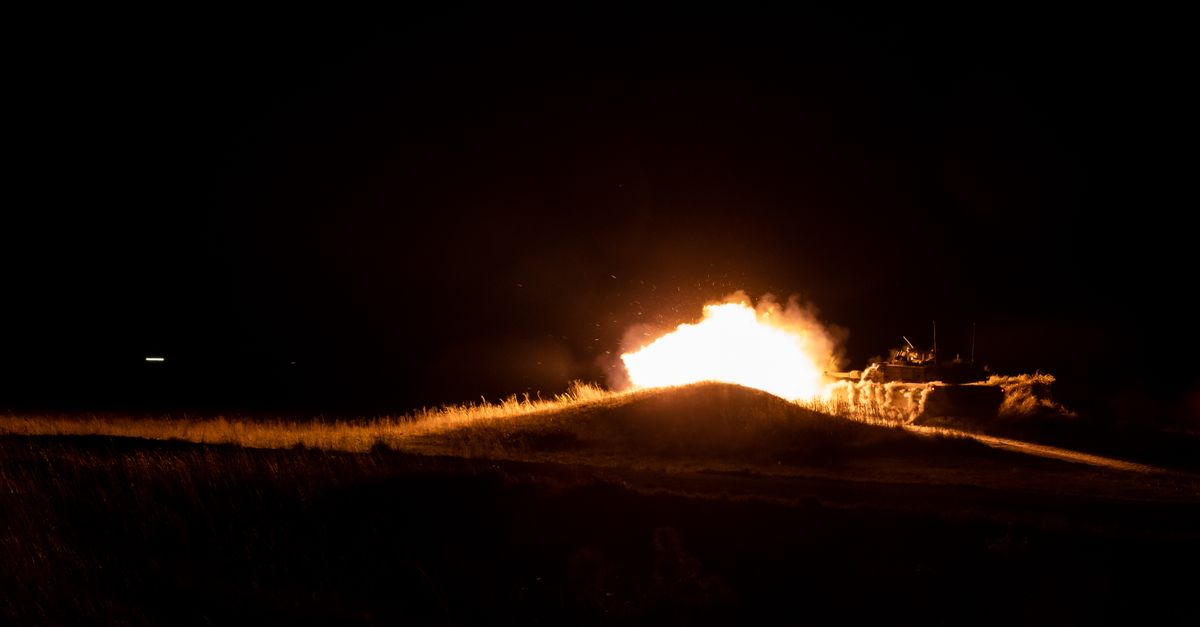
- US strikes on Iranian targets have entered an 11th consecutive night, marking a sustained campaign.
- A 10-day ceasefire proposal is being mediated, but fighting continues and Houthis have escalated Red Sea threats.
- The strikes are a response to reported deaths of US soldiers, raising risks of a wider Middle East conflict.
Eleventh Night of Strikes: A Campaign With No End in Sight
The United States military has carried out strikes on Iranian targets for the 11th consecutive night, marking one of the most sustained aerial campaigns against Iran in decades. Explosions have been reported across multiple locations inside Iran, including military installations and air defence sites.
The strikes come after President Donald Trump warned of retaliation for the deaths of American soldiers, though the exact number and circumstances of those deaths have not been officially confirmed. The US military confirmed it has ended its latest round of strikes, but the daily rhythm of bombardment suggests no immediate off-ramp.
Reports from Al Jazeera and BBC corroborate the strikes, while CNBC notes that the US is simultaneously striking Houthi targets in Yemen, who have responded by threatening shipping lanes off Saudi Arabia.
What Is Driving the Escalation
The immediate trigger for the strikes, according to Trump administration statements, was a series of attacks on US personnel in the region that resulted in fatalities. The White House has blamed Iran-backed militias for those attacks, though Tehran denies direct involvement.
The US strikes have targeted what the Pentagon describes as command-and-control centres, drone launch sites, and weapons storage facilities inside Iran. This marks a significant escalation from earlier strikes on Iranian proxies in Iraq, Syria and Yemen to direct strikes on Iranian soil.
Iran has not announced major retaliatory strikes on US forces, but its regional allies — particularly the Houthis in Yemen — have increased their activity. The Houthis have threatened to target Saudi Arabian shipping in the Red Sea, a move that could disrupt global trade routes.
Diplomacy in the Shadows: The 10-Day Ceasefire Push
As the bombing continues, mediators are reportedly pushing for a 10-day ceasefire. CNBC reported that regional diplomats, likely from Oman and Qatar, are shuttling between Washington and Tehran to secure a pause in hostilities.
The proposed ceasefire would give both sides breathing room to negotiate a broader de-escalation. However, with the US launching fresh strikes even as the talks proceed, the window for diplomacy appears narrow. No official confirmation of the ceasefire talks has come from either the White House or the Iranian foreign ministry.
Analysts point out that previous ceasefire attempts in the region — including in Gaza and Yemen — have collapsed when one side perceived a military advantage. The current environment, with the US striking inside Iran for the first time in decades, makes a ceasefire harder to sell domestically for both leaders.
Regional Fallout: Houthis, Shipping and Saudi Arabia
The Houthi threat to Saudi Arabian shipping adds a new dimension to the crisis. The Iran-backed group has repeatedly targeted vessels in the Red Sea since November 2023, claiming solidarity with Palestinians in Gaza.
Saudi Arabia, which has been trying to distance itself from the US-Iran confrontation, now finds itself directly in the line of fire. The Houthis have warned that any ship headed to or from Saudi ports could be targeted unless the US stops bombing Iran.
This threatens not only Saudi oil exports but also global supply chains that rely on the Red Sea and Suez Canal route. Insurance premiums for vessels transiting the region have already spiked, and some shipping companies have rerouted around Africa.
Why It Matters: A Wider War Looms
The 11th consecutive night of strikes signals that the US is prepared for a protracted campaign, not a one-off retaliation. This raises the risk of a direct Iran-US war — something both countries have avoided for decades.
Iran has several retaliatory options: it could unleash its ballistic missile arsenal against US bases in the Gulf, step up attacks by proxies in Iraq and Syria, or mine the Strait of Hormuz. Any of these moves could draw in Gulf Arab states and trigger a regional war.
For India, the stakes are high. Over 8 million Indians live and work in the Gulf region. A wider conflict could disrupt oil supplies, spike crude prices past $100 a barrel, and threaten remittances. The Indian government has not issued an official statement on the strikes but is believed to be in touch with both US and Iranian officials.
What to Watch Next
Over the next 48 hours, the key indicators will be whether the US announces an end to the daily strikes and whether Iran responds with a significant military action of its own. The success or failure of the 10-day ceasefire mediation will determine whether this crisis de-escalates or spirals into a full-blown war.
Also watch the Houthis: if they actually strike a Saudi-bound vessel, that would force Riyadh to choose between defending its ports and staying out of the conflict. The world is watching for a single missile that could change the course of the Middle East.