Wellness and fine dining: Planning a rural Scottish gastronomic retreat
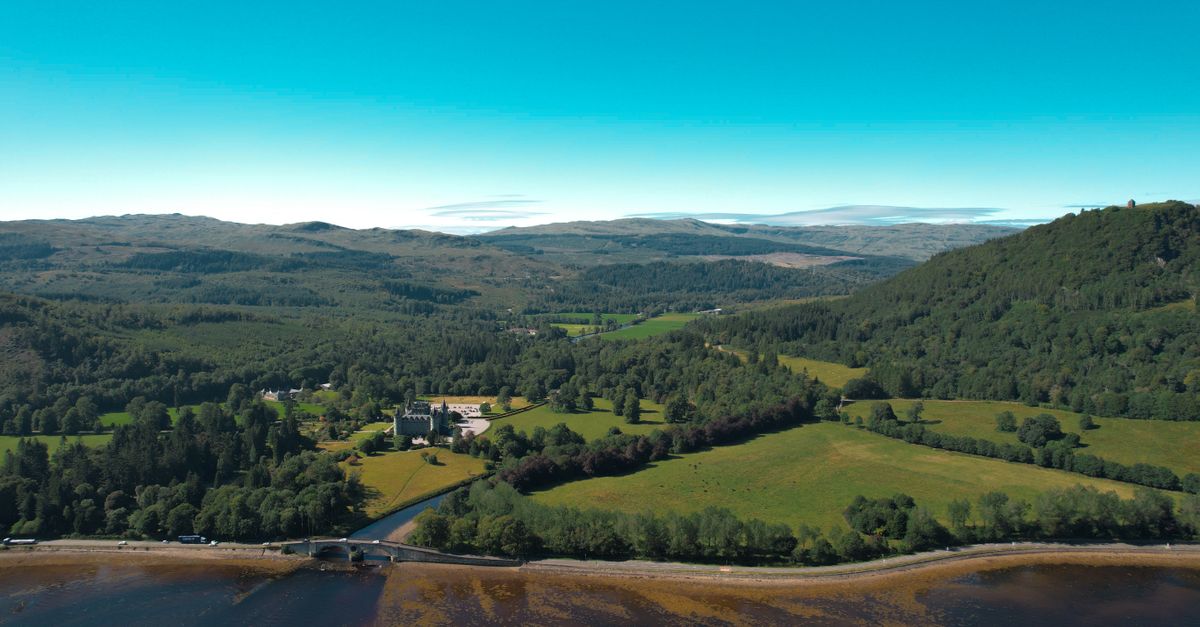
- Rural Scotland offers a unique blend of luxury spa retreats and world-class fine dining.
- Foraging and local produce are central to the Scottish gastronomic experience.
- Seasonal planning is crucial for the best culinary and wellness offerings.
The rise of the Scottish gastronomic retreat
Rural Scotland is quietly becoming a destination for those who want more than a holiday. It offers a chance to reset, eat well, and reconnect with nature. The combination of wellness and fine dining is no longer a niche concept. It is a deliberate lifestyle choice for travellers seeking depth over distraction.
From the Highlands to the Borders, estates and lodges are redefining what a retreat looks like. They pair Michelin-starred kitchens with spa treatments, forest bathing, and foraging walks. The result is a holiday that feeds both body and mind.
Where to stay for food and calm
Several properties across Scotland now specialise in this dual offering. The Fife Arms in Braemar is one example. It blends art, history, and a restaurant that sources almost everything locally. Another is Glenapp Castle in Ayrshire, where the kitchen garden supplies the dining room and the spa overlooks the sea.
Further north, the Torridon offers a similar promise. Guests can hike in the morning, enjoy a massage in the afternoon, and sit down to a tasting menu in the evening. Each property has its own character, but the philosophy is consistent: luxury without excess.
Foraging as a connecting thread
Foraging has become a signature activity at these retreats. Chefs and guides lead guests through woodlands and along coastlines, identifying wild herbs, mushrooms, and seaweed. The gathered ingredients often end up on the plate that evening.
This practice grounds the fine dining experience in place. It turns a meal into a story. Guests do not just eat; they understand where their food comes from and how it was harvested. It is a small shift, but it changes the entire tone of the trip.
Planning the perfect itinerary
Timing matters. Spring and autumn are the best seasons for a gastronomic retreat in Scotland. Spring brings wild garlic, sea vegetables, and early lamb. Autumn offers mushrooms, game, and root vegetables. Summer is beautiful but crowded. Winter can be harsh, though some properties offer cozy, fireplace-focused escapes.
Experts recommend booking at least three to four days. This allows for a proper rhythm: one day for arrival and a relaxed dinner, one for a full spa day and foraging, and one for exploration or a cooking class. A shorter trip risks feeling rushed.
The cost of quality
These retreats do not come cheap. A three-night package at a top-tier estate can cost between £1,500 and £4,000 per person, depending on the season and inclusions. That covers accommodation, most meals, spa access, and guided activities.
For those watching their budget, smaller lodges and self-catering cottages offer a more affordable entry point. The key is to prioritise one or two splurges—a single Michelin-starred dinner, a spa treatment, or a private foraging walk—rather than trying to do everything.
What to watch next
As demand grows, more Scottish estates are expected to launch dedicated wellness and dining programmes. The trend shows no signs of slowing. Travellers should book well in advance, especially for autumn and spring dates. The best retreats fill up months ahead.