World Brain Day 2026: Neurologist urges India to make brain health a national priority
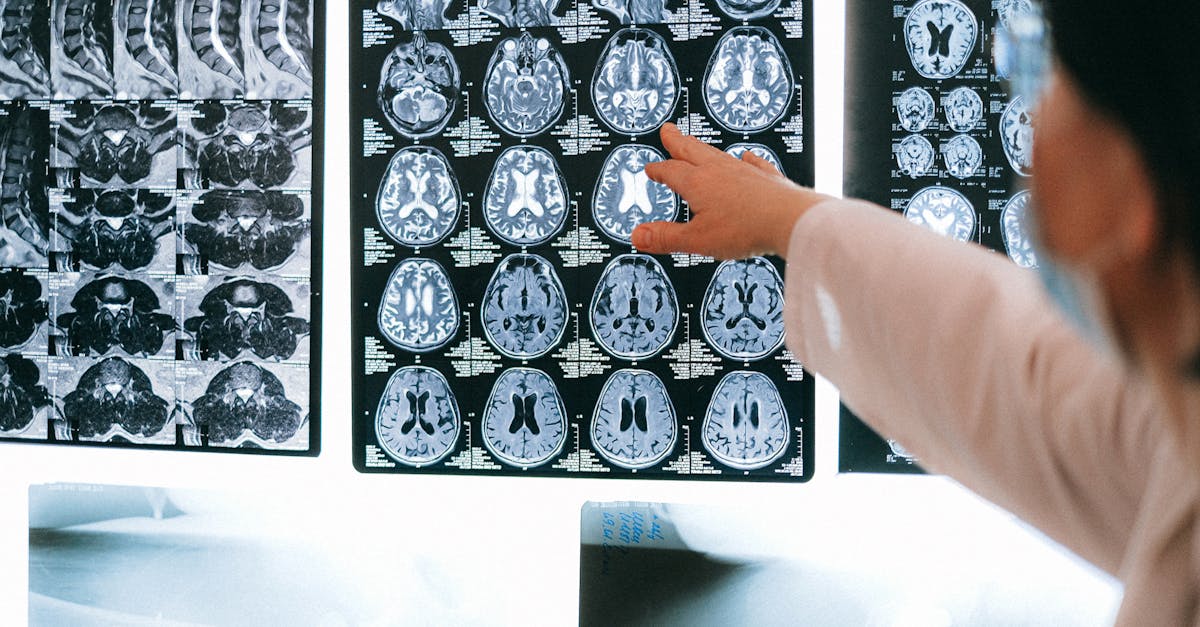
- Dr. Mohana Rao Patibandla led a panel discussion in Guntur for World Brain Day 2026.
- India sees a surge in brain disorders but lacks enough neurologists to meet demand.
- Neurologist debunks common myths and shares daily habits to protect brain health.
Guntur panel kicks off World Brain Day 2026
Dr. Mohana Rao Patibandla, a prominent neurologist, used World Brain Day 2026 to sound the alarm on India's growing brain health crisis. Speaking at a panel discussion in Guntur on July 22, he called for treating brain health with the same urgency as heart or cancer care.
The event, reported by EIN News and The Hindu, brought together medical experts and community leaders. They stressed that neurological disorders are rising fast, yet most Indians remain unaware of simple preventive steps.
Neurologist shortage worsens as brain disorders climb
India Today reports that brain disorders are on the rise across the country. Stroke, dementia, epilepsy, and migraine cases are increasing, driven by ageing populations, stress, and lifestyle diseases.
But the number of neurologists has not kept pace. India has roughly one neurologist for every 1.5 lakh people, far below the recommended ratio. This shortage means long wait times and delayed treatment for millions, especially in rural areas.
Common myths that quietly harm your brain
In a separate interview with The Times of India, Dr. Patibandla debunked several myths that many Indians believe. One common misconception is that memory loss is normal with ageing. He clarified that while some forgetfulness is typical, significant decline is not inevitable and may signal a treatable condition.
Another myth: only older adults get strokes. The doctor warned that strokes are striking younger Indians more often due to high blood pressure, diabetes, and smoking. He also dismissed the idea that brain exercises alone can prevent dementia, stressing the need for overall health management.
Daily habits for a healthier brain
Writing for Firstpost, Dr. Patibandla shared 10 daily habits to protect brain health. These include 30 minutes of aerobic exercise, adequate sleep of 7-8 hours, and a diet rich in leafy greens, nuts, and fish.
He also recommended staying socially active, managing stress through meditation or hobbies, and avoiding smoking and excessive alcohol. Keeping blood pressure, blood sugar, and cholesterol in check is equally critical, he said.
What needs to change
Experts at the Guntur panel agreed that India needs a multi-pronged approach. This includes training more neurologists, running public awareness campaigns, and integrating brain health checks into primary care.
Dr. Patibandla urged the government to include brain health in the national health mission. He also called on schools and workplaces to promote mental wellness and early detection of neurological issues.
As World Brain Day 2026 draws attention to the issue, the question remains whether policy action will follow. The coming months could see fresh proposals on neurologist training and public health messaging. For now, the message from Guntur is clear: ignore brain health at your own risk.