Bengaluru's Public Toilet Shortage Worsens as City Grows
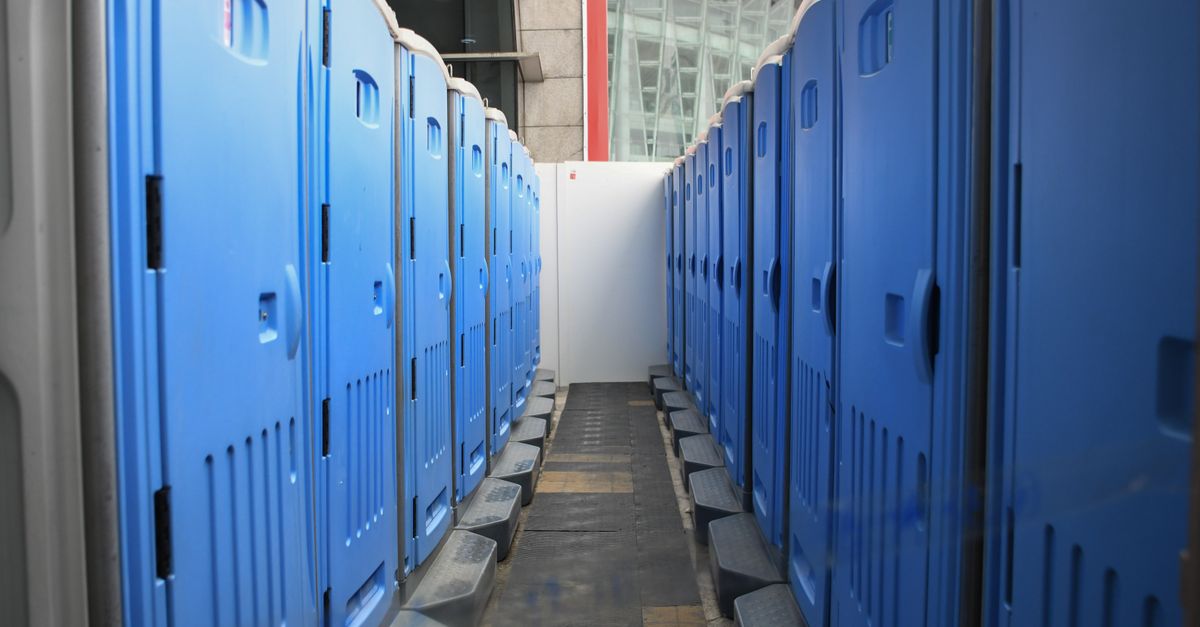
- Bengaluru has only 2,500 public toilets for a population of over 1.3 crore.
- Shortage is acute in slums, bus stands, and markets.
- Women and transgender people face the biggest access challenges.
Bengaluru is facing a public health crisis that is not about disease, but dignity. The city, home to over 1.3 crore people, has only about 2,500 public toilets. That is roughly one toilet for every 5,200 residents.
A report released by the Karnataka State Legal Services Authority on Wednesday laid bare the gap. It found that the existing facilities are concentrated in upscale areas and near major tech parks. Slums, bus stands, railway stations, and markets remain severely underserved.
Where the Need is Greatest
The report surveyed 50 locations across the city. In areas like KR Market, Majestic bus stand, and Yeshwanthpur, queues for toilets stretch for over 30 minutes during peak hours. Many of these facilities are poorly maintained. Broken doors, lack of water, and blocked drains are common complaints.
“We have to hold it in for hours sometimes,” said a fruit vendor at KR Market, who did not want to be named. “There are toilets, but they are always locked or dirty. We end up using the open space near the railway tracks.”
The problem is worse for women. Out of the 2,500 public toilets, only 800 are designated for women. Many of these are locked at night, when female commuters need them the most.
The Toll on Daily Life
Health experts warn that the shortage has direct consequences. “When people are forced to defecate in the open or use unhygienic facilities, the risk of waterborne diseases like diarrhoea and typhoid rises sharply,” said Dr. Nalini Krishnan, a public health researcher at St. John's Medical College. “This is not just a convenience issue. It is a public health emergency.”
The report also noted that the lack of toilets disproportionately affects the poor. Daily wage workers, auto drivers, and domestic help often have no access to clean facilities during their work hours. This forces many to limit their fluid intake, leading to dehydration and kidney problems.
What the Authorities Say
The Bruhat Bengaluru Mahanagara Palike (BBMP) acknowledged the shortage in a statement. Officials said that 150 new community toilets are being built under the Smart City Mission. However, the report points out that the city needs at least 5,000 more public toilets to meet basic standards set by the World Health Organisation.
“We are aware of the gaps,” said a BBMP official who spoke on condition of anonymity. “But land availability and maintenance costs are major hurdles. We are exploring PPP models to scale up quickly.”
The Karnataka State Legal Services Authority has now directed the BBMP to submit a compliance report within three months. The authority has also suggested installing pay-and-use toilets at all major bus stops and metro stations.
The next few months will be crucial. If the BBMP fails to deliver on its promises, legal action could follow. For now, millions of Bengalureans continue to wait — not for a bus or a meal, but for a basic facility that most citizens take for granted.