Dinosaur-era snake fossil sheds light on evolution of limbs
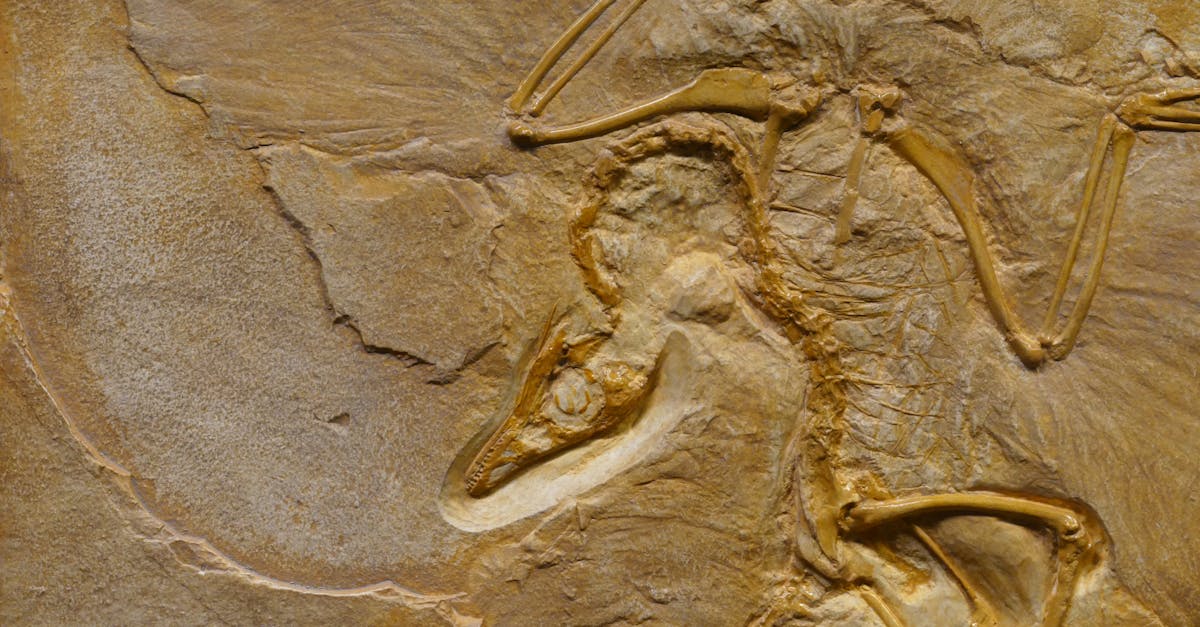
- Fossil from the dinosaur era provides new clues on snake evolution.
- Specimen shows a transitional stage in the loss of limbs.
- Discovery challenges previous theories on snake origins.
Ancient fossil rewrites snake ancestry
A fossil dating back to the dinosaur era is offering scientists a rare window into how snakes evolved to lose their limbs. The specimen, discovered in a region known for rich paleontological deposits, is being described as a transitional form that bridges the gap between ancient lizards and modern legless snakes.
Researchers say the fossil preserves features not seen before in the snake evolutionary record. It includes small but well-formed hind limbs, suggesting that the process of limb loss was gradual rather than sudden. The find challenges earlier assumptions that snakes lost their limbs in a single evolutionary event.
What the fossil reveals
The newly analyzed skeleton shows a creature that still retained functional legs, though they were reduced in size compared to its lizard ancestors. The skull and jaw structure, however, already display adaptations typical of modern snakes, such as a flexible skull capable of swallowing large prey.
Scientists believe the animal lived in a burrowing or semi-aquatic environment. This habitat may have driven the early stages of limb reduction. The fossil also preserves vertebrae with elongated ribs, a trait seen in some modern constrictors.
“This is not just a missing link. It shows that snake evolution was a mosaic process where different body parts changed at different rates,” one researcher noted in the study published alongside the discovery.
Implications for evolutionary biology
The discovery adds weight to the idea that snakes evolved from burrowing lizards, not from marine reptiles as some earlier theories proposed. The fossil’s age places it in the mid-Cretaceous period, a time when dinosaurs dominated the land.
Paleontologists have long debated whether snakes originated on land or in water. This specimen’s limb structure and habitat clues point firmly to a terrestrial origin. The hind limbs are too small for swimming but well-suited for digging or anchoring during feeding.
The find also helps explain why some modern snakes, like pythons and boas, still have tiny vestigial hip bones and spurs. These are evolutionary leftovers from ancestors that once walked.
What comes next
Researchers are now scanning the fossil with high-resolution CT imaging to study its internal bone structure. They hope to identify more transitional species in the same geological formation. The team plans to return to the dig site for further excavation later this year.
If more fossils emerge, they could fill remaining gaps in the story of how snakes became one of the most successful and specialized groups of reptiles on Earth.