Houthis Strike Tankers in Red Sea, First Since Saudi-Linked Blockade
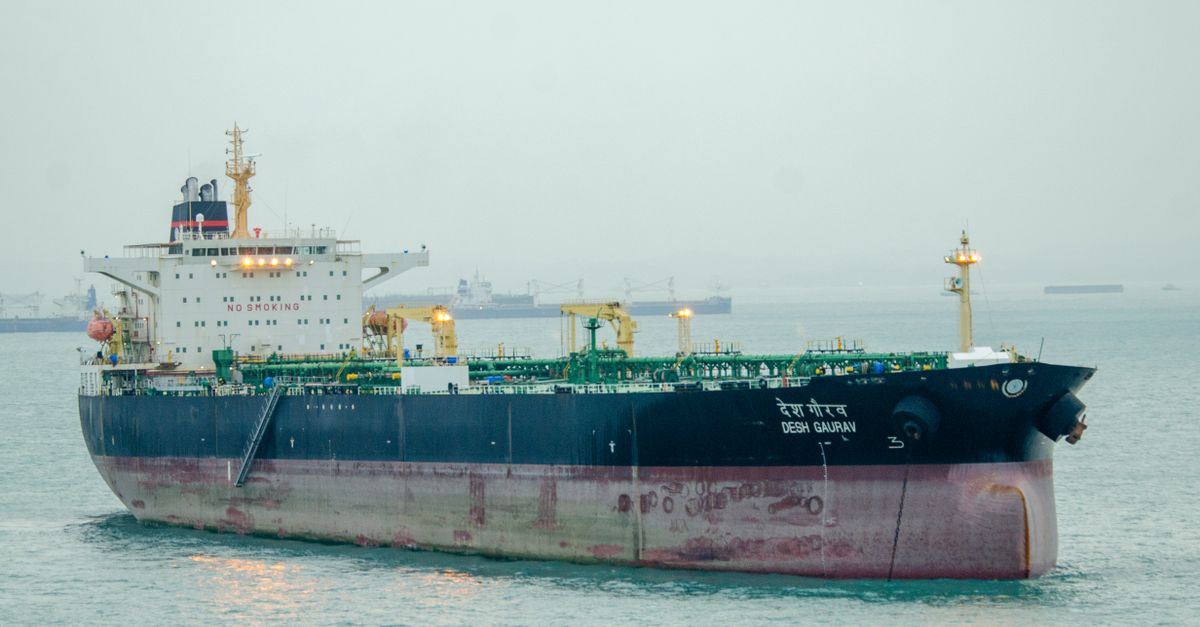
- Houthis attacked oil tankers in the Red Sea for the first time since a Saudi-linked blockade at Bab el-Mandeb.
- Oil prices surged following the attacks, which have drawn threats from former US President Trump.
- The US has stated it will hold Iran responsible for Houthi attacks, raising risks of a wider conflict.
Yemen's Houthi rebels have struck oil tankers in the Red Sea, marking the first such attack since they imposed a shipping blockade linked to Saudi Arabia via the strategic Bab el-Mandeb strait. The incident, reported on July 23, 2026, has sent oil prices soaring and drawn sharp warnings from the United States.
The attack targeted commercial vessels, though details on casualties or damage remain unconfirmed. This escalation comes weeks after the Houthis declared a blockade on Saudi-linked shipping, a move that had already disrupted trade routes through one of the world's most critical maritime chokepoints.
Oil Markets React Sharply
Global oil prices surged in response to the Red Sea attacks. Traders scrambled to assess the threat to tanker traffic that carries millions of barrels of crude daily through the narrow Bab el-Mandeb strait.
The price jump reflects fears of sustained disruption. The Red Sea route is vital for oil shipments from the Gulf to Europe and North America. Any prolonged blockade could strain supply chains already under pressure from regional tensions.
Analysts noted that the Houthis have demonstrated an increased capability to strike moving vessels at range. This attack suggests the group is willing to act on its earlier threats, raising the stakes for international shipping firms.
US Threatens Iran with Consequences
Former US President Donald Trump, in a statement, said the United States will hold Iran responsible for future Houthi attacks. "Iran backs the Houthis, and they will be held accountable," Trump said, according to reports.
The Wall Street Journal and CNBC both quoted Trump's warning that the US would consider Iran complicit in any further aggression. This marks a significant hardening of Washington's position, tying the Houthi actions directly to Tehran.
The threat has raised fears of a wider war. Iran has long been accused of supplying the Houthis with weapons, including drones and missiles. Direct US-Iran confrontation over the Red Sea could ignite a broader regional conflict.
Risk of a Wider Conflict
The Associated Press reported that the Houthi threat could widen the ongoing Iran war and put another trade chokepoint at risk. The Bab el-Mandeb strait, connecting the Red Sea to the Gulf of Aden, is a narrow passage that sees heavy oil and cargo traffic.
Any sustained blockade or attacks there could have severe economic consequences. The Houthis have previously used sea mines and anti-ship missiles to target vessels. This latest strike indicates they are prepared to escalate their maritime campaign.
Shipping companies are now weighing rerouting vessels around the Cape of Good Hope, a longer and costlier journey. Insurance premiums for Red Sea transits are expected to rise sharply.
What to watch: Whether the Houthis carry out further attacks in the coming days and how the US and its allies respond militarily. The situation remains fluid, with potential for a rapid escalation that could engulf the broader region.