India Approves First Dengue Vaccine Takeda's QDENGA for Ages 4-60
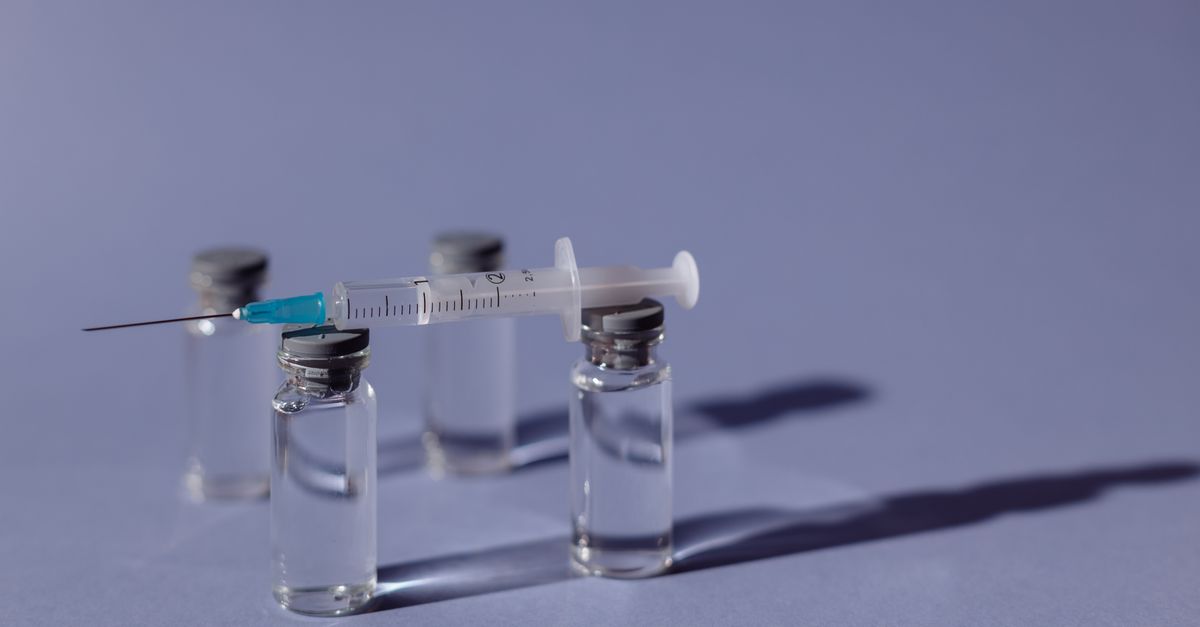
- CDSCO grants marketing authorisation for QDENGA, India's first dengue vaccine.
- Vaccine approved for age group 4 to 60 years, covering children and adults.
- Developed by Japanese drugmaker Takeda, QDENGA targets all four dengue serotypes.
India's drug regulator has approved the country's first dengue vaccine. The Central Drugs Standard Control Organisation (CDSCO) granted marketing authorisation to QDENGA, developed by Japanese pharmaceutical company Takeda.
The vaccine is approved for individuals aged 4 to 60 years. This makes it available for a wide demographic, from schoolchildren to working adults, who are often at risk during dengue outbreaks.
Why QDENGA Marks a Turning Point
Dengue has been a persistent public health challenge in India. Every year, the mosquito-borne viral disease causes thousands of hospitalisations and deaths across states. Until now, no vaccine had received regulatory approval in the country.
QDENGA is a live-attenuated tetravalent vaccine. It is designed to protect against all four dengue virus serotypes. This is crucial because infection with one serotype does not provide immunity against the others, and subsequent infections can be more severe.
Takeda's vaccine has already been approved in several countries, including the European Union and some Southeast Asian nations. The Indian approval follows clinical trials and data reviews by CDSCO experts.
What the Approval Means for Public Health
Public health experts have welcomed the move. They say the vaccine could reduce the burden on hospitals during monsoon seasons when dengue cases spike. However, officials have not yet confirmed a rollout timeline or pricing details.
The government is likely to integrate QDENGA into the national immunisation programme if recommended by the National Technical Advisory Group on Immunisation. Private hospitals may offer it sooner.
Experts caution that vaccination alone will not end dengue. Vector control measures, such as eliminating mosquito breeding sites and using insect repellents, remain essential.
Safety and Efficacy Data
Clinical trials for QDENGA involved over 28,000 participants across dengue-endemic countries. Data showed the vaccine reduced hospitalisations due to dengue by 84% in the first 18 months after vaccination.
For those who had a previous dengue infection, the vaccine was 76% effective in preventing symptomatic disease. Even in those with no prior infection, efficacy was around 55%.
The most common side effects reported were injection site pain, headache, and fatigue. These were generally mild and resolved within a few days.
Global Context and Challenges
India joins a small group of countries with a licensed dengue vaccine. The only other widely available dengue vaccine is Sanofi's Dengvaxia, which is recommended only for people with prior dengue infection due to safety concerns in seronegative individuals.
QDENGA does not carry that restriction. It can be given to people regardless of their previous dengue exposure. This simplifies vaccination campaigns significantly.
Manufacturing and distribution will be key challenges. Takeda will need to scale up production to meet demand in India, which records lakhs of cases annually.
Pricing will also determine access. If the vaccine is priced too high, it may remain out of reach for many in rural and low-income urban areas.
What happens next depends on the government's procurement decisions and the vaccine's inclusion in public health programmes. For now, India finally has a tool to fight dengue — a disease that has eluded effective prevention for decades.