Jantar Mantar Protests: Security Tightens as Crowd Swells Against Modi Govt
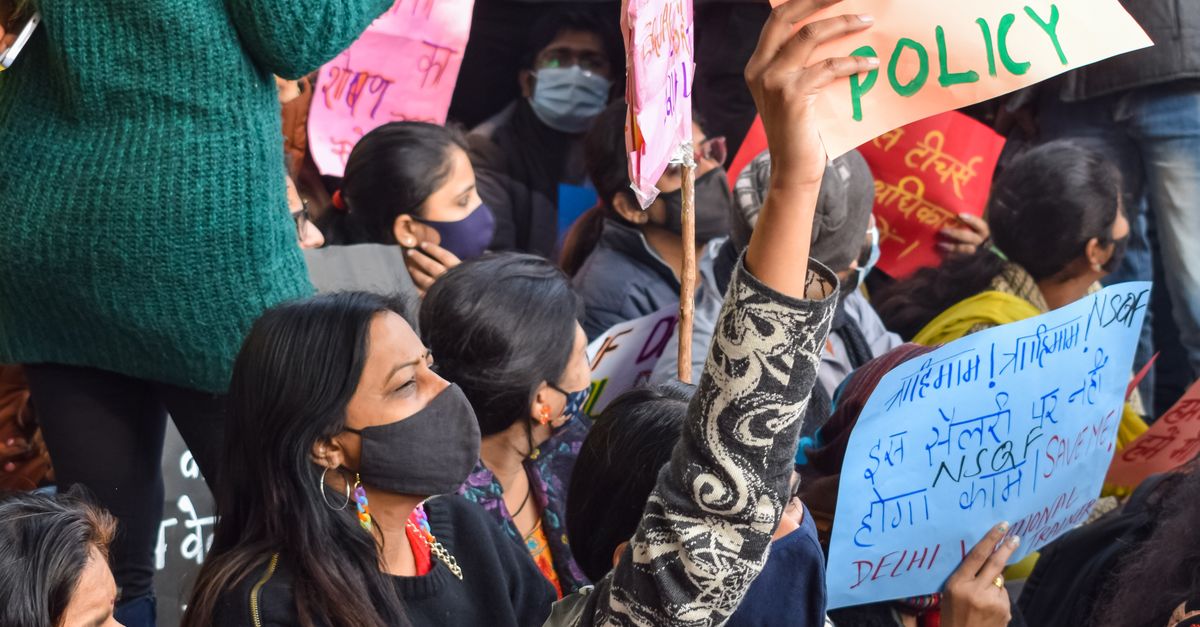
- Thousands of protesters have gathered at Jantar Mantar in New Delhi, leading to heavy security deployment.
- The protests were triggered by a controversial 'cockroach' remark, intensifying pressure on PM Modi's government.
- Clashes have been reported, with stone pelting and tear gas used, while officials flag potential misinformation from Pakistan-based handles.
Context: The Gathering at Jantar Mantar
New Delhi's historic Jantar Mantar has become the epicentre of swelling public unrest. Thousands of protesters have converged on the site, prompting authorities to deploy heavy security forces. The crowd, growing by the hour, has turned the usually quiet monument into a flashpoint of political tension.
Police personnel, some in riot gear, have cordoned off key entry points. Barricades line the surrounding roads, and additional contingents have been called in from neighbouring districts. The government has not yet confirmed the exact number of deployed personnel, but sources indicate it is among the largest security arrangements seen at the venue in recent years.
Background: The 'Cockroach' Remark That Lit the Fire
The protests are rooted in a recent controversial statement by a ruling party figure, who referred to opposition activists and dissenters as 'cockroaches'. The remark, widely condemned as dehumanising, has galvanised a broad coalition of student groups, farmers' unions, and opposition parties.
For weeks, social media has amplified the outrage, with hashtags trending nationally. The choice of Jantar Mantar—a traditional site for peaceful demonstrations in Delhi—is symbolic. It is the same ground where countless movements, from anti-corruption rallies to farmers' marches, have found their voice. This time, the target is Prime Minister Narendra Modi's government, accused of stifling dissent and marginalising critical voices.
The 'cockroach' comment, critics argue, reflects a deeper pattern of rhetoric that seeks to delegitimise opposition. Supporters of the government, however, dismiss the protests as politically motivated and orchestrated by rivals who lost successive elections.
Why It Matters: Testing the Government's Grip
Jantar Mantar is not just a protest site; it is a barometer of public sentiment. A crowd of this size, in the heart of the capital, signals that discontent has moved beyond online outrage to tangible, street-level mobilisation. For the Modi government, which has faced periodic protests but maintained a firm electoral hold, this represents a significant challenge.
The timing is critical. With state elections approaching and international scrutiny on India's democratic health, the images of stone pelting and tear gas at Jantar Mantar carry weight. The BBC and other global outlets have already picked up the story, framing it as a test of the government's tolerance for dissent.
Officials have flagged concerns about 'Pakistan-based handles' spreading misinformation related to the protests. This allegation, if proven, could shift the narrative toward external interference. However, analysts caution that such claims, without concrete evidence, risk inflaming tensions further.
What to Watch: Clashes, Misinformation, and Political Fallout
Reports of clashes between agitators and police have emerged. Stone pelting was reported from the edges of the crowd, and police responded with tear gas to disperse violent elements. Neither side has released official casualty figures, and the situation remains fluid.
The coming days will reveal whether the protest movement can sustain its momentum or fizzle out under administrative pressure. The government's response—whether it opts for dialogue or a harder crackdown—will define the political fallout.
Equally important is the information war. Amid live broadcasts and viral clips, distinguishing genuine grievances from manufactured outrage will be a challenge. Authorities have warned against sharing unverified content, but the line between journalism and propaganda is increasingly blurred.
The Jantar Mantar protests are no longer just about a remark. They have become a referendum on free speech, state power, and the space for dissent in India's democracy. What happens here could set the tone for the months ahead.