Marine Animals First Colonized Empty Seashells 470 Million Years Ago
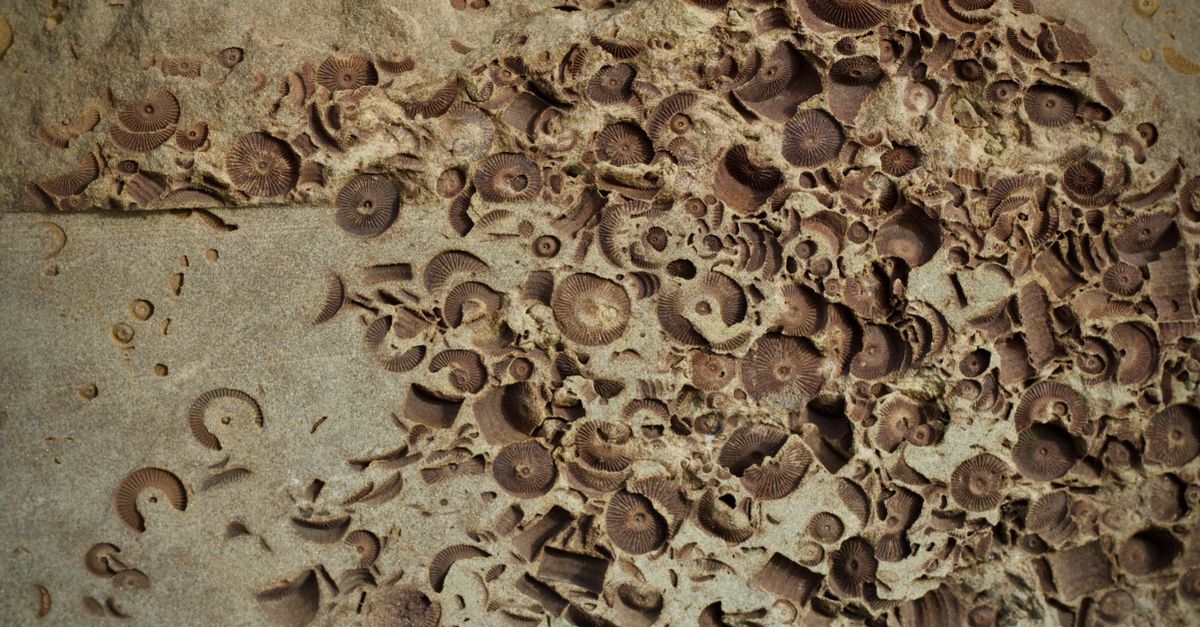
- Fossil evidence shows marine animals colonized empty seashells 470 million years ago.
- This behavior predates previous estimates and highlights early ecosystem complexity.
- The study offers insights into the evolution of shell-dwelling and marine biodiversity.
Ancient Shells Reveal New Timeline
A recent study published in the journal Current Biology has pushed back the timeline for when marine animals first began colonizing empty seashells. The research indicates this behavior started around 470 million years ago, during the Ordovician period.
This discovery challenges earlier assumptions that such ecological interactions emerged much later. The findings are based on a detailed analysis of fossilized shells from ancient seafloors.
Fossil Evidence and Analysis
Scientists examined hundreds of fossil shells collected from sites in Morocco and France. They looked for telltale signs of colonization, such as boreholes, attachment scars, and traces of organisms living inside.
The team found clear evidence that creatures like small worms and arthropods were using empty shells as shelters. This marks the earliest known example of shell-dwelling in the fossil record.
Implications for Early Marine Life
The study suggests that empty shells provided a crucial refuge in a predator-filled ocean. This allowed smaller animals to survive and diversify, contributing to the rapid increase in marine biodiversity during the Ordovician.
Lead author Dr. Emily Harper of the University of Lausanne said the findings highlight how important dead organisms were to the structure of early ecosystems. "These shells weren't just waste — they were real estate," she added.
A New Perspective on Evolution
The colonization of empty shells represents an early form of niche construction. By modifying their environment, these ancient animals influenced the evolution of other species over millions of years.
Researchers believe this behavior may have paved the way for more complex symbiotic relationships that appeared later in Earth's history. The study also underscores the value of re-examining museum collections for overlooked details.
The team now plans to search for even older examples of shell-dwelling. They hope to understand whether this strategy emerged independently in different parts of the ancient ocean.