New Digital Asset Index Launches Without Bitcoin
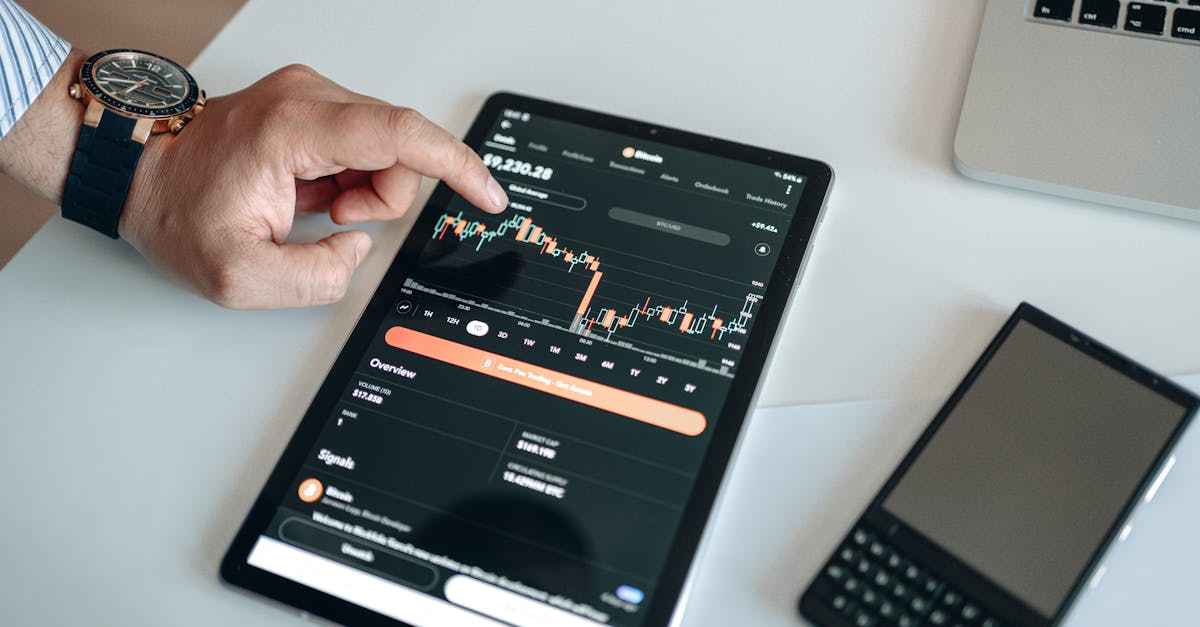
- A new benchmark index for digital assets has been created.
- Bitcoin, the largest cryptocurrency, is not included in the index.
- The index focuses on a different set of cryptocurrencies.
New Benchmark for Digital Assets
A fresh benchmark index for digital assets has entered the market, and it has a notable omission: Bitcoin. The index, developed by a financial data provider, aims to track a curated basket of cryptocurrencies. Its creators have deliberately left out the world's largest digital currency by market capitalisation.
The move signals a shift in how institutional investors and analysts are thinking about the crypto space. Instead of a single, dominant asset, the index focuses on a broader representation of the market. This approach challenges the long-held view that Bitcoin is the essential bellwether for the entire sector.
Why Bitcoin Was Left Out
According to the index methodology, Bitcoin was excluded because it does not meet certain criteria set by the provider. These criteria typically include liquidity, trading volume, and market maturity. The index is designed to represent a segment of the market that is more actively traded and less volatile than Bitcoin.
Bitcoin's dominance in the crypto market has been waning in recent years. While it still commands a significant share, altcoins and other digital assets have grown in both number and market cap. The new index reflects this diversification, offering a tool that captures a different risk-return profile.
What's Inside the Index
The index includes a selection of digital assets such as Ethereum, Solana, and other tokens with high liquidity. The exact composition is rebalanced periodically. The focus is on assets that have demonstrated consistent trading activity and market depth.
This approach is similar to how traditional equity indices exclude certain stocks. For example, the S&P 500 does not include all publicly traded companies. The new digital asset index applies a similar principle, filtering out assets that do not meet its standards.
Market Reaction and Implications
The launch has generated discussion among crypto analysts and traders. Some see it as a validation of the altcoin market, while others question the relevance of an index without Bitcoin. The index provider has stated that the goal is to offer a more refined benchmark for investors looking beyond Bitcoin.
Institutional investors have been increasingly seeking exposure to digital assets. Many have relied on Bitcoin as a proxy. This new index provides a tool for those who want to track a broader set of assets. It could also influence how fund managers construct crypto portfolios.
The move comes at a time when the crypto market is maturing. Regulatory clarity is improving in several jurisdictions. More traditional financial products, such as ETFs and futures, are being tied to digital assets. The new index is another step in that direction.
What to Watch
The index's performance will be closely watched in the coming months. If it gains traction, it could encourage other providers to launch similar benchmarks. The exclusion of Bitcoin may also spark debate about the future of digital asset indexing. For now, the market has a new yardstick, and it does not include the original cryptocurrency.