Space datacenters from Musk, Bezos could be 'catastrophic' for planet, warn experts
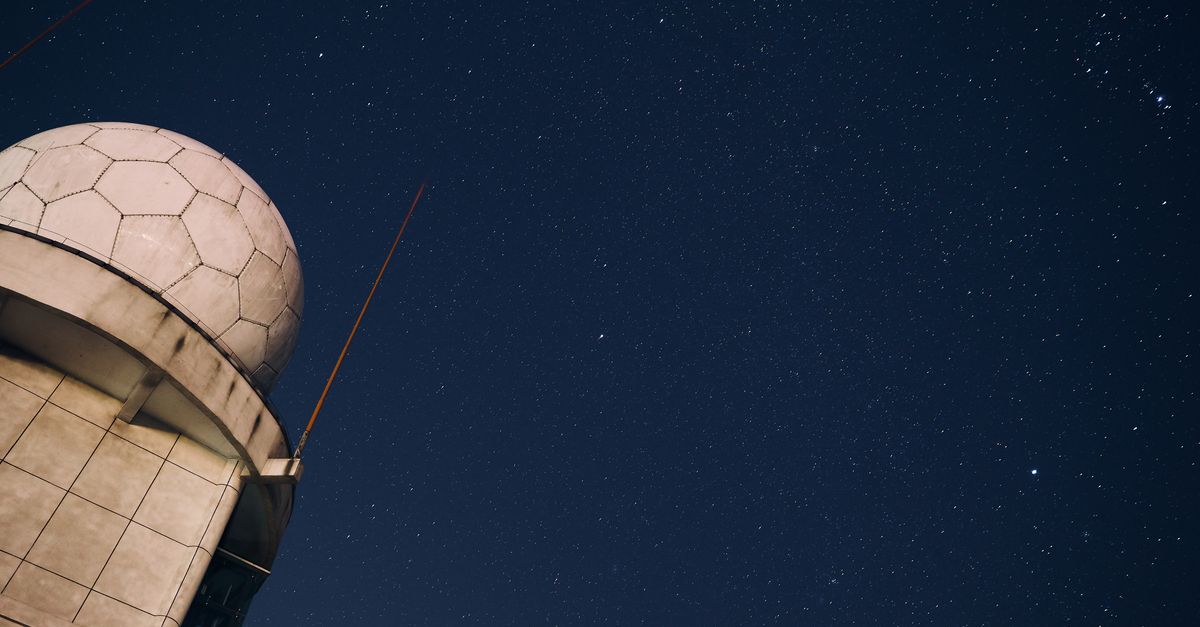
- Experts warn space datacenters could require millions of satellites, creating a bright ring visible from Earth.
- The proposed infrastructure would permanently alter the night sky, outshining stars and planets.
- Environmental concerns include increased space debris and the carbon cost of launching thousands of rockets.
- The plans are driven by the growing energy demands of AI and cloud computing.
- Critics argue the environmental footprint of AI will not simply disappear by moving operations to orbit.
Ambitious plans by billionaires Elon Musk and Jeff Bezos to build datacenters in space could have a 'catastrophic' impact on Earth's environment, according to a growing chorus of astronomers and environmental experts. The proposed orbital infrastructure, designed to power the insatiable energy demands of artificial intelligence and global cloud computing, may require launching more than a million satellites into low-Earth orbit.
Experts warn that such a mega-constellation would permanently brighten the night sky, creating an artificial glow that could outshine natural stars and planets. The phenomenon, some say, could leave future generations with a fundamentally altered view of the cosmos.
A ring of satellites around Earth
The scale of the proposed projects is unprecedented. According to a recent analysis, Earth could gain a 'Saturn's ring' — but one that is entirely man-made. The ring would consist of over a million satellites and as many as 50,000 reflective mirrors, designed to beam sunlight to solar panels on the orbiting datacenters.
The brightness of this artificial ring could surpass that of most stars and planets, making astronomical observation from Earth virtually impossible without significant interference. Astronomers have already raised alarms about the impact of existing satellite constellations, such as Starlink, on telescope observations. The new plans would dwarf those concerns.
The environmental cost of moving AI to orbit
The push for space-based datacenters is driven by the massive energy consumption of AI systems. Training and running large language models requires vast amounts of electricity, and tech companies are struggling to find enough clean energy on Earth to meet their needs. Moving operations to orbit, where solar power is abundant and constant, seems like an elegant solution on paper.
But critics argue that the environmental footprint of AI will not simply disappear by shifting it into space. The carbon cost of launching tens of thousands of rockets — each burning tonnes of fossil fuels — could negate any potential climate benefits. The Conversation recently noted that the real environmental impact of such a venture is often overlooked in the rush to innovate.
Furthermore, the sheer volume of hardware in orbit dramatically increases the risk of collisions and space debris. A cascade of fragments could render certain orbits unusable for generations.
What happens next
Neither Musk nor Bezos has publicly responded to the latest wave of criticism. However, both have filed preliminary patent applications and made significant investments in space launch infrastructure. The Indian Space Research Organisation (ISRO) and other global space agencies have not yet issued formal statements on the proposals.
Regulatory bodies, including the International Telecommunication Union and national space agencies, will eventually need to decide whether to approve the frequency spectrum and orbital slots required for such mega-constellations. The debate over who owns the night sky — and at what cost — is only just beginning.