Sri Lanka's flood crisis blamed on policy failures and environmental crime
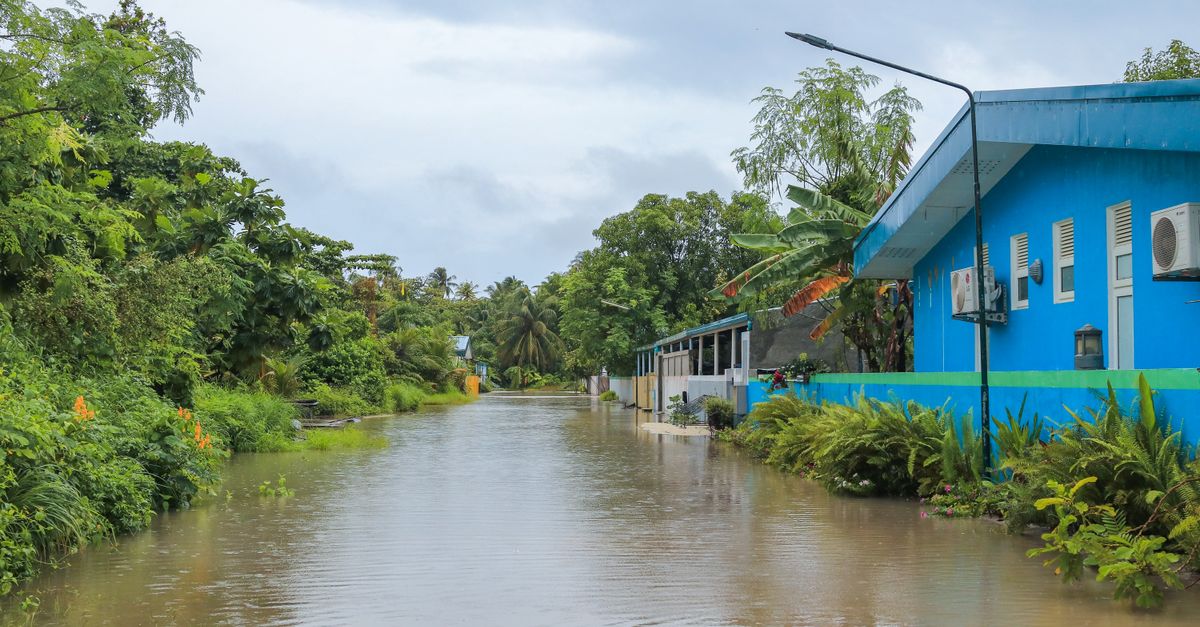
- Climate expert links Sri Lanka's floods to policy blunders and weak enforcement.
- Environmental crimes like deforestation and illegal construction worsen disaster impact.
- Lack of political will and poor urban planning amplify flood damage.
Expert points to human-made disasters
A leading climate expert has stated that Sri Lanka's recent devastating floods are not purely natural disasters. Instead, they are the result of policy blunders, weak enforcement of laws, and rampant environmental crime.
The expert, speaking to The Island newspaper, said that decades of poor planning have turned seasonal rains into catastrophic events. The floods have displaced thousands and caused extensive damage to homes and infrastructure.
Policy failures and weak enforcement
The expert highlighted that successive governments have failed to implement proper land-use policies. Wetlands that naturally absorb floodwater have been drained for development. Riverbanks have been encroached upon, narrowing channels and causing overflow.
Weak enforcement of environmental regulations has allowed illegal sand mining to destabilise riverbeds. This, combined with deforestation in catchment areas, has reduced the land's ability to hold water.
Environmental crime as a driver
Environmental crimes, including illegal logging and unauthorised construction in floodplains, have worsened the situation. The expert noted that powerful interests often shield violators from prosecution.
The lack of political will to address these issues has created a cycle of disaster and inadequate response. Each flood season brings fresh destruction, but meaningful reform remains elusive.
Urban planning and drainage woes
In cities like Colombo, poor urban planning has clogged drainage systems. Unchecked construction of high-rises and roads has replaced permeable surfaces with concrete, increasing runoff. Stormwater drains are often blocked with garbage and silt.
The expert called for immediate action to clear drains and restore natural water channels. Without these steps, even moderate rainfall can cause severe flooding in urban areas.
What must change
The climate expert urged the government to enforce existing environmental laws strictly. They recommended reviving traditional water management systems and protecting remaining wetlands.
Community-level awareness and participation in flood preparedness are also critical. The expert warned that climate change will only intensify rainfall, making human-made vulnerabilities more dangerous.
Officials have yet to respond to these specific criticisms. The government has announced relief measures but has not outlined long-term policy changes to address the root causes.
The next flood season is months away. Whether Sri Lanka uses that time to fix its policy failures or waits for the next crisis remains an open question.