Gemini Live Rolls Out to Select Older Google Home Devices
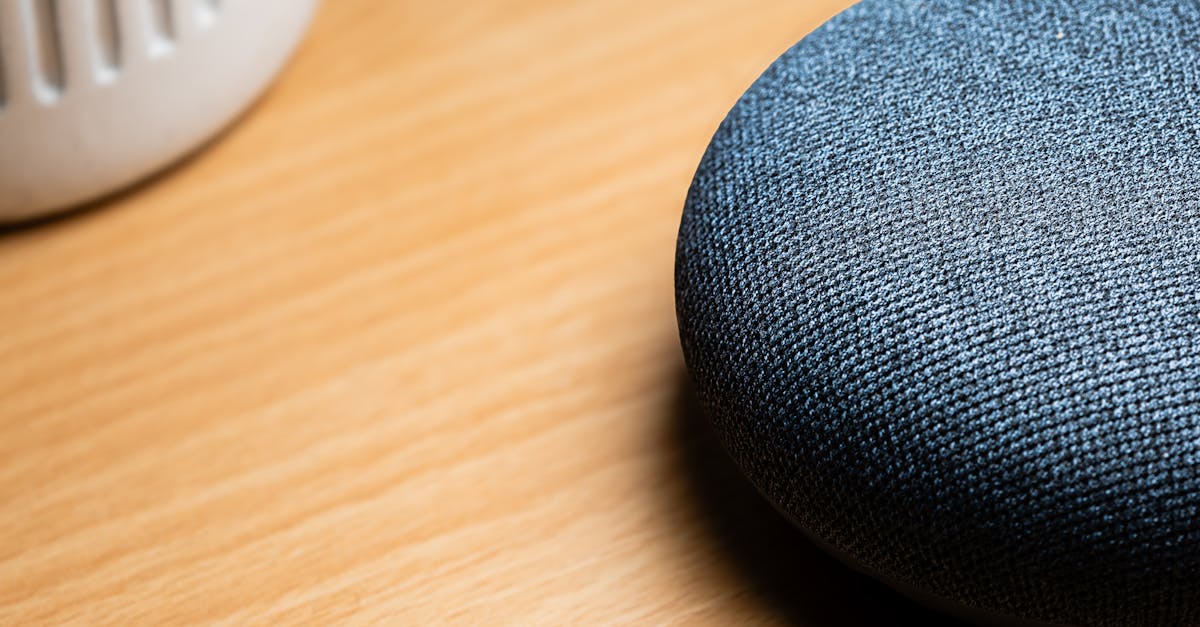
- Gemini Live is rolling out to select older Google Home devices, starting with Nest Audio and Nest Hub Max.
- The update tackles voice control annoyances with better context retention and more natural conversation flow.
- Context memory has been expanded to 15 minutes, allowing for follow-up questions without repeating commands.
Gemini Live Expands to Older Hardware
Google is finally bringing its Gemini Live assistant to a handful of older Google Home devices, marking a significant upgrade for users who have been waiting for the AI features to trickle down from newer hardware. The rollout, which began this week, initially covers the Nest Audio and first-generation Nest Hub Max, according to multiple reports.
The update is part of a broader push to make Gemini the default assistant across Google's smart home ecosystem. Until now, Gemini Live was limited to the latest Pixel phones and the newer Nest devices launched in 2025.
What’s New with the Update
The most noticeable change is the expanded context memory, which now lasts up to 15 minutes. This means users can ask follow-up questions or give subsequent commands without repeating the full context. For example, you could ask for the weather, then immediately ask "What about tomorrow?" and the assistant will understand the reference.
Google has also addressed one of the biggest pain points in voice control — the need to repeat yourself. The assistant now retains information from earlier in the conversation, making interactions feel more natural.
Camera integration has also seen an upgrade. The July 2026 update for Nest Cam devices includes improved object detection and faster response times when querying footage through voice commands.
Rollout Details and Compatibility
Not all older devices are getting the update at once. Google is staging the rollout, starting with the Nest Audio and first-gen Nest Hub Max. Users on these devices should see an automatic update in the Google Home app over the next few days.
Devices like the original Google Home speaker and the older Nest Mini are not yet included in the initial wave. Google has not confirmed a timeline for broader availability, but the company has indicated that more devices will be added in the coming weeks.
The update is free and does not require a subscription. However, some advanced features, such as extended memory beyond 15 minutes, may be tied to a Nest Aware subscription.
Why This Matters for Smart Home Users
Voice assistants have long struggled with natural conversation flow. The ability to hold context over multiple turns is a step toward making smart speakers feel less robotic. For Indian users, this could mean more seamless control of lights, thermostats, and media without having to phrase commands perfectly each time.
Google is also rolling out support for more Indian languages in Gemini Live, though the company has not specified which languages will be added in this update. Hindi and several regional languages are already supported on newer devices.
The update arrives as competition in the smart home space heats up. Amazon's Alexa is getting similar AI upgrades, and Apple's HomePod has been improving Siri's contextual understanding. Google's move to bring Gemini to older hardware could help it retain users who were considering switching platforms.
Users should check the Google Home app for the update prompt. If it doesn't appear immediately, it may take a few days to reach all eligible devices. Google recommends keeping the Home app updated to the latest version.
The company is expected to announce a wider rollout timeline at its next hardware event, likely in October 2026.