Cockroach Janta Party Protest Victory, Education Minister Resigns, Signals Trouble for Modi
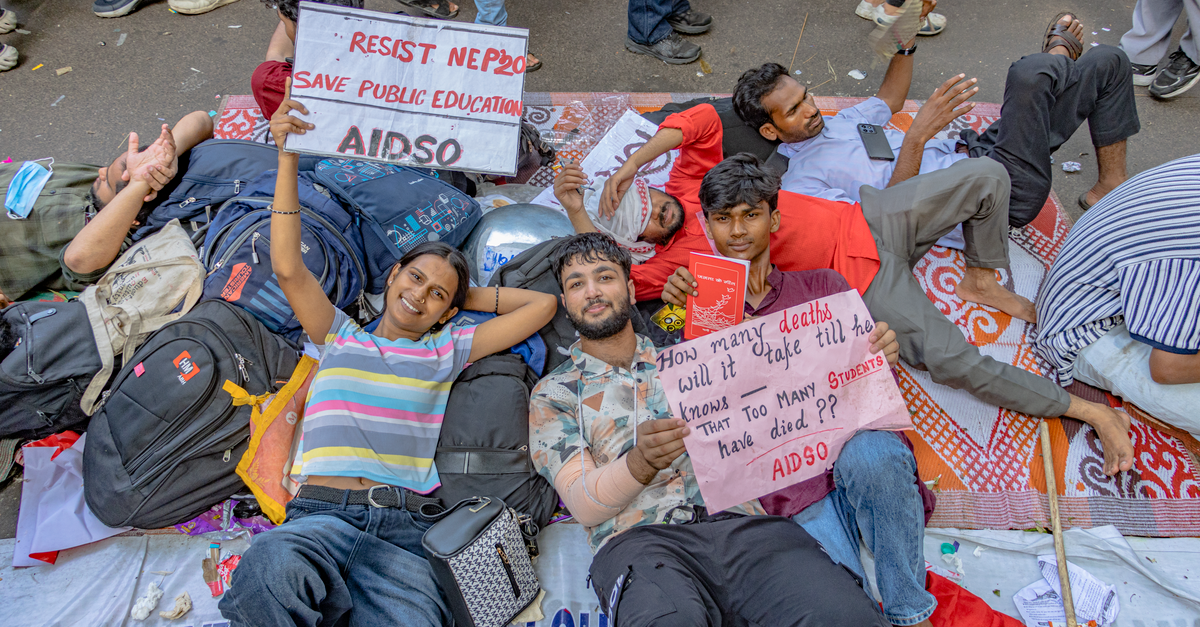
- Education Minister Dharmendra Pradhan resigned following sustained protests by the Cockroach Janta Party over exam paper leaks.
- The protest, led by students, marks a significant political challenge to the Modi government ahead of state elections.
- Pradhan had offered to resign twice before, but the resignation was accepted only after the protest gained momentum.
Student-Led Protest Forces Minister's Exit
India's political landscape has been jolted by the resignation of Education Minister Dharmendra Pradhan, following a sustained protest by the Cockroach Janta Party (CJP). The party, known for its grassroots student activism, organised a series of demonstrations across several states over alleged paper leaks in competitive examinations.
The protests, which began in major university campuses, quickly snowballed into a national movement. Students accused the government of failing to protect the integrity of exam systems, a charge that hit home as the agitation turned violent in some areas.
Pradhan's Offer to Quit Twice Rejected
According to reports, Pradhan had offered to step down on two earlier occasions, but the prime minister's office rejected both offers. However, the sustained pressure from the CJP-led protests finally forced a change in stance. The resignation was accepted on Sunday, marking a significant victory for the student movement.
Pradhan, who took charge as education minister recently, had admitted in a press conference that the exam paper leak issue was 'a new subject for me'. This comment had drawn widespread criticism from opposition parties and student groups.
Political Repercussions for Modi
The CJP's success in forcing a ministerial resignation is being seen as a warning sign for Prime Minister Narendra Modi's government. Political analysts note that the protest has exposed a vulnerability in the government's handling of public grievances, especially among the youth.
The resignation comes at a critical time, with several state elections due in the coming months. The Modi government has faced a series of challenges, including economic slowdown and unemployment, but this is the first major instance of a student-led protest forcing a cabinet-level resignation.
What Happens Next
The CJP has announced it will continue its protests until the government implements a comprehensive reform of the examination system. The prime minister's office is yet to name a successor for Pradhan. All eyes are now on how the government plans to address the underlying issues to prevent further unrest.