Hyderabad Metro Phase II in Limbo Despite Centre-State Deal
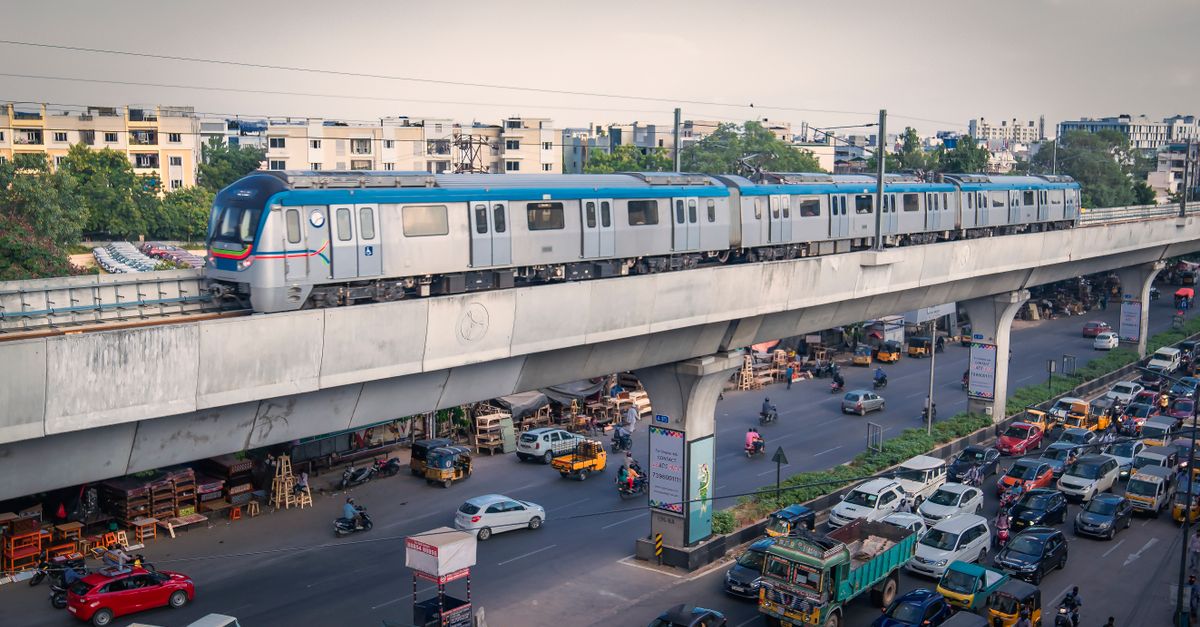
- Centre and Telangana governments agreed on a joint venture for Hyderabad Metro Phase II.
- Funding model and project structure have been finalized between both parties.
- No official announcement or timeline has been made for the next steps.
- Silence raises questions about the project's immediate future and execution plan.
Hyderabad's ambitious Metro Rail Phase II project appears to be stuck in a strange quiet zone. Despite the central and state governments reaching an agreement on the joint venture structure and funding, there is no visible movement on the ground or in official corridors.
The silence is puzzling because both sides had earlier resolved key differences over the project's financial model. The agreement was expected to pave the way for tenders, land acquisition, and a clear timeline. Instead, weeks have passed without any formal announcement.
Agreement Reached, Then Silence
Officials from the Telangana government and the Union Ministry of Housing and Urban Affairs had finalised the joint venture framework. The funding pattern, which was a major sticking point, was also settled. Under the deal, the Centre and the state would share the cost of the second phase, which is estimated to run into thousands of crores.
However, sources indicate that no date has been set for the signing of the formal agreement. The silence has left contractors, real estate developers, and commuters guessing about when work will actually begin.
What Phase II Entails
The second phase of the Hyderabad Metro is crucial for expanding the network from the current 69 km to over 150 km. It would connect far-flung suburbs, IT corridors, and industrial areas. The project was originally conceived to decongest the city and provide a seamless public transport alternative.
Experts point out that any delay will only increase costs. Land prices along proposed routes have already appreciated in anticipation. The longer the silence, the more complex the land acquisition process could become.
Political Undercurrents
The timing of the quiet period is notable. Assembly elections in Telangana are due next year. Some political observers suggest that both the ruling party in the state and the central government may be waiting for the right moment to make a big announcement.
Others argue that bureaucratic hurdles within the newly formed joint venture company could be causing the delay. The structure of the special purpose vehicle, board appointments, and revenue-sharing terms need to be ironed out on paper before any public launch.
Commuters in Hyderabad have grown accustomed to such lulls. The first phase of the metro itself saw multiple delays and cost overruns before it became operational. The current silence, however, feels different because the political will seemed to have been secured.
What happens next is unclear. The state government has not issued any statement in recent weeks. The central ministry's website shows no new updates on the project. For now, Hyderabad waits — with no date, no tender, and no word on when the next train will arrive on this long-pending track.