Nandan Nilekani appointed head of PM Modi's task force on exam reforms
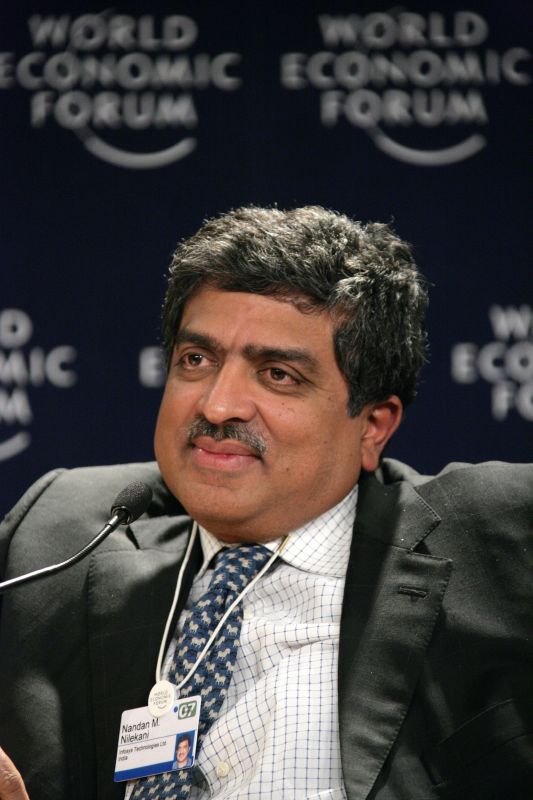
- Nandan Nilekani to lead a new task force on exam reforms
- Task force aims to make examinations leak-proof
- Panel includes former ISRO chief and IIT director
- Move comes after protests and the exit of Dharmendra Pradhan
Prime Minister Narendra Modi has appointed Infosys co-founder Nandan Nilekani to head a new task force tasked with overhauling India's examination system. The panel is specifically focused on making high-stakes tests leak-proof.
The decision comes a day after the resignation of Education Minister Dharmendra Pradhan, and amid a broader reset of the government's agenda following widespread protests over alleged paper leaks.
Who is on the panel
The task force includes a mix of technocrats and academics. Among its members are a former chairman of the Indian Space Research Organisation (ISRO) and a director of an Indian Institute of Technology (IIT). The exact names have been confirmed by multiple sources but not all have been officially listed yet.
Nilekani, best known for co-founding Infosys and spearheading the Aadhaar unique identity project, brings extensive experience in large-scale technology implementation. His role will involve designing a digital backbone for the examination process.
Mandate and scope
The prime minister's office has directed the task force to submit a roadmap for a secure, tamper-proof examination system. The panel is expected to look at end-to-end encryption, biometric verification, and real-time monitoring of test centres.
The reforms cover key examinations conducted by the National Testing Agency (NTA), including the JEE, NEET, and CUET. These tests see millions of candidates each year and are critical for admissions to engineering, medical, and central universities.
Officials have said the goal is to restore public confidence in the examination system. Recent paper leak allegations had triggered protests in several states and led to a political firestorm.
Political context
The setting up of the task force is being seen as part of a larger reset by the Modi government. The day after Pradhan's exit, the prime minister also signaled a shift in priorities, placing exam reforms at the top of the agenda.
Sources within the government indicate that the panel's work will be fast-tracked. The task force is expected to present an interim report within three months.
The next item on the government's list, according to reports, is delimitation of constituencies, but that has been deferred until the exam reform process is firmly underway.
The task force is not a permanent body. It will be dissolved once its recommendations are accepted and implemented.
Nilekani's appointment has drawn attention because of his track record with Aadhaar, a project that faced its own share of privacy and implementation challenges but eventually enrolled over a billion people.
The panel's work will be watched closely by students, parents, and opposition parties, who have demanded a transparent and accountable examination system.
The task force is expected to hold its first meeting within the week to outline its approach and timeline.