NASA instrument on JAXA-ISRO mission to scan Moon's south pole for water
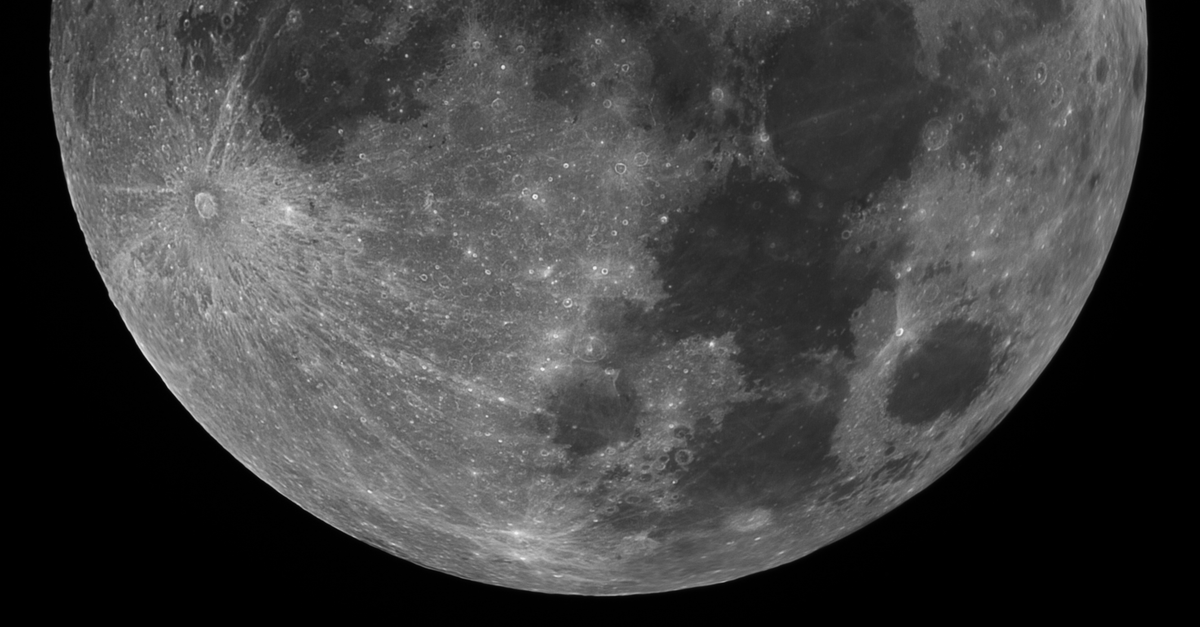
- NASA's Lunar Thermal Mapper will fly on JAXA-ISRO's LUPEX rover mission.
- The instrument will map surface temperatures and identify water ice in shadowed craters.
- The mission targets the Moon's south pole, a region of high interest for future exploration.
NASA instrument joins Indo-Japanese lunar mission
A specialised NASA instrument is set to ride aboard a joint mission by the Japanese and Indian space agencies to search for water in the Moon's south pole region. The device, called the Lunar Thermal Mapper (LTM), will be part of the Lunar Polar Exploration (LUPEX) mission, a collaboration between JAXA (Japan Aerospace Exploration Agency) and ISRO (Indian Space Research Organisation).
The announcement was made by NASA officials, confirming that the LTM has been cleared for integration into the rover-based mission. The instrument is designed to measure surface temperatures and identify signatures of water ice in the permanently shadowed craters of the lunar south pole.
How the instrument works
The Lunar Thermal Mapper operates by detecting thermal infrared radiation emitted from the lunar surface. By mapping temperature variations at a fine scale, scientists can pinpoint areas where water ice might exist beneath the surface or in cold traps that never receive sunlight.
Data from the LTM will be combined with other instruments on the LUPEX rover to create a detailed picture of the Moon's volatile resources. This is critical for planning future human missions, as water ice can be used for drinking, oxygen, and rocket fuel.
The instrument is being developed by NASA's Jet Propulsion Laboratory (JPL) and will be delivered to JAXA and ISRO for integration ahead of the mission's targeted launch, which has not yet been announced.
Why the Moon's south pole matters
The lunar south pole is one of the most scientifically interesting and strategically important regions on the Moon. Its permanently shadowed craters are believed to hold vast reserves of water ice, accumulated over billions of years from comet impacts and solar wind interactions.
Both the US and India have previously detected evidence of water molecules on the Moon. ISRO's Chandrayaan-1 mission in 2008 first confirmed the presence of water ice near the poles, and subsequent missions have refined that understanding.
LUPEX aims to land a rover that can drill into the lunar surface to directly sample and analyse the soil for water content. The LTM will provide the thermal context needed to interpret those samples.
Collaboration across continents
The LUPEX mission is a significant example of international cooperation in space exploration. JAXA is leading the rover development, ISRO is providing the lander and launch vehicle, and NASA is contributing a key science instrument.
This arrangement allows each agency to leverage its strengths while sharing the cost and scientific return. For India, it builds on the success of the Chandrayaan missions. For Japan, it marks a step toward its own lunar surface operations.
NASA's involvement through the LTM also aligns with its Artemis programme, which aims to land astronauts near the south pole later this decade. Data from LUPEX could directly inform landing site selection and resource utilisation strategies.
What happens next
The LTM will now undergo final testing and calibration before being handed over to the mission team. JAXA and ISRO have not yet set a firm launch date, but industry sources suggest the mission could lift off as early as late 2026 or 2027. Once on the Moon, the rover is expected to operate for at least one lunar day — about 14 Earth days — to gather data. The results could reshape our understanding of how much water is actually accessible on the Moon.