NASA-ISRO NISAR Satellite Spots Hummingbird-Shaped Formation Under Antarctica Ice
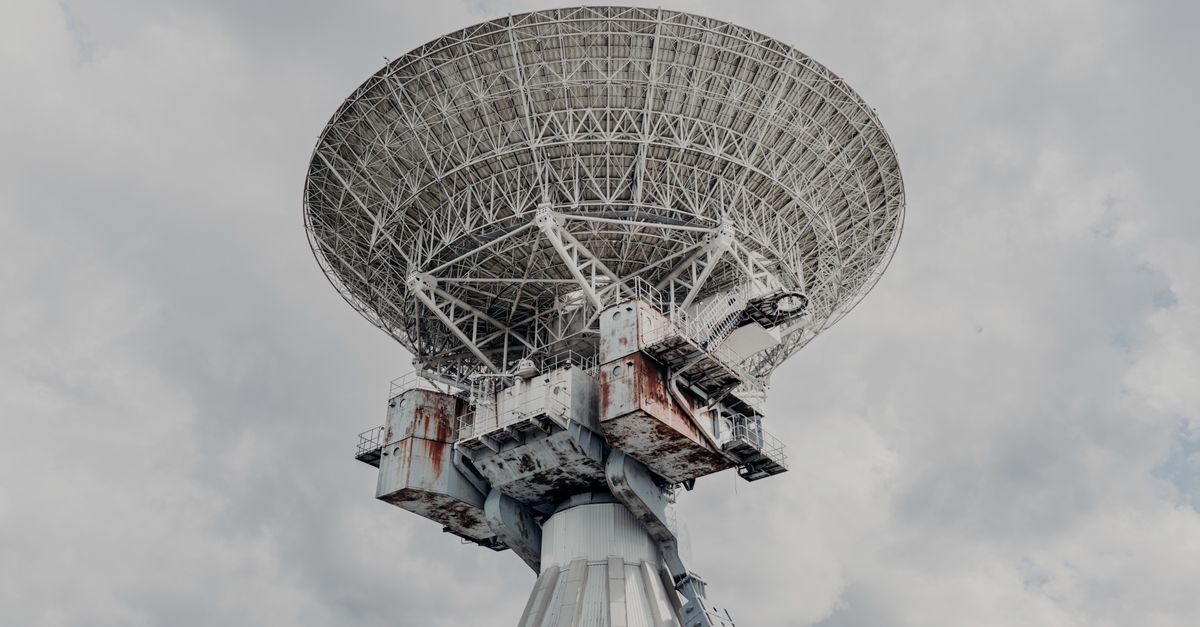
- NISAR, a joint NASA-ISRO Earth science mission, revealed the formation using S-Band Synthetic Aperture Radar data.
- The feature resembles a hummingbird in flight, likely caused by ice sheet dynamics and subglacial topography.
- ISRO and NASA recently released the first NISAR S-Band SAR data to the public.
New data from the NASA-ISRO NISAR satellite has revealed a striking pattern beneath the thick ice sheets of Antarctica. The feature, which resembles a hummingbird in flight, was captured using the satellite's S-Band Synthetic Aperture Radar.
The image has drawn immediate attention from scientists and space enthusiasts alike. NISAR—short for NASA-ISRO Synthetic Aperture Radar—is a joint Earth observation mission designed to monitor changes in the planet's surface.
A Radar Eye Under the Ice
NISAR's radar can penetrate clouds and ice, offering a rare glimpse of what lies beneath Antarctica's frozen surface. The hummingbird-like formation appears to be a result of complex interactions between the ice sheet and the underlying bedrock.
Such subglacial features help scientists understand how ice flows and how it might respond to a warming climate. The precise nature of this specific formation has not yet been confirmed by researchers.
Public Data Release by ISRO
Alongside the release of the imagery, ISRO announced that NISAR's S-Band SAR data is now accessible to the public. This move is expected to accelerate research into polar ice dynamics, forest biomass, and land surface changes.
The data is available through the Indian Space Research Organisation's Bhuvan portal. Scientists and students worldwide can now download and analyse the radar images for their own studies.
What Makes NISAR Different
NISAR is the first radar mission of its kind to use two different radar frequencies—L-band and S-band. This dual-frequency capability allows it to detect subtle changes in the Earth's surface, including shifts in ice sheets, earthquakes, and landslides.
The satellite was launched in early 2025 from India's Satish Dhawan Space Centre. It orbits Earth every 12 days, providing consistent monitoring of the planet's most dynamic regions.
Global Interest in Polar Science
The hummingbird pattern is not the first unusual discovery from NISAR. Earlier this year, the satellite captured detailed images of Antarctic ice cracks and meltwater channels that were previously hidden from optical satellites.
Scientists are now using the data to refine models of sea-level rise. Antarctica holds enough ice to raise global sea levels by nearly 60 metres if it all melted, making such observations critical for future climate projections.
Officials have not yet confirmed whether the hummingbird shape is a stable feature or a sign of ongoing ice movement. Further analysis will be needed to determine its origin and evolution.
The next batch of NISAR data is expected to be released later this year, which could reveal even more hidden patterns beneath the world's most remote ice sheets.