Satellite image of hummingbird is actually a cosmic nebula
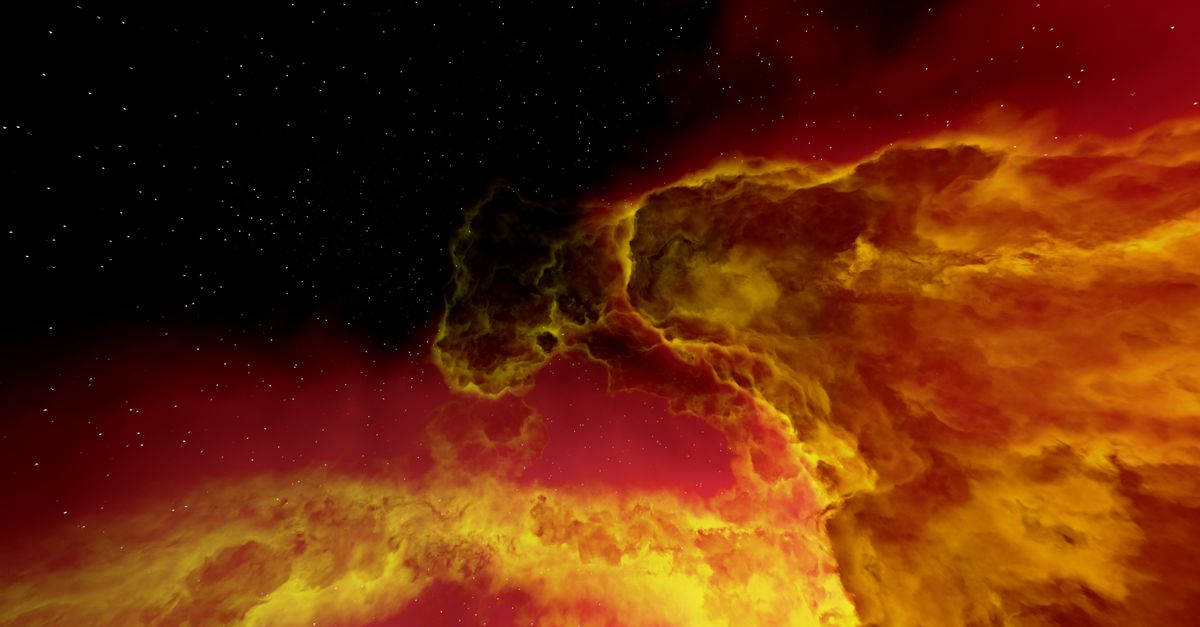
- Image resembling a hummingbird is a composite of X-ray, optical, and infrared data
- Nebula is located about 6,500 light-years from Earth
- Chandra data shows high-energy processes from dying star
An image that appears to show a hummingbird in flight has been circulating online, but space scientists say it's something far grander. The visual, captured by a combination of telescopes, is actually a nebula — a cloud of gas and dust illuminated by the remnants of a dying star.
What the image really shows
The composite picture was assembled using data from NASA's Chandra X-ray Observatory, the Hubble Space Telescope, and the Spitzer Space Telescope. What looks like the bird's wings and body is actually a structure shaped by stellar winds and radiation.
Officially catalogued as a planetary nebula, the object is located in the constellation Cygnus, roughly 6,500 light-years away. The 'hummingbird' shape is a coincidence of how the ejected material from the central star interacts with the surrounding interstellar medium.
Why it went viral
Social media users shared the image widely, noting the uncanny resemblance to the tiny bird. Some posts claimed the picture was a direct satellite photograph of a hummingbird taken from orbit, which led to confusion.
Space agencies have not issued an official statement on the viral claims, but astronomers point out that satellites in low Earth orbit cannot resolve individual birds at such scale. The nebula's apparent size in the sky is many times larger than the Moon.
The science behind the shape
The 'hummingbird' shape is created by a binary star system at the nebula's centre. One star has already collapsed into a white dwarf, while its companion sheds material that gets swept up into the visible structure.
X-ray emissions detected by Chandra reveal temperatures exceeding a million degrees Celsius. These high-energy regions are not visible in ordinary optical telescopes, which is why the composite image looks so different from typical night-sky photographs.
Indian astronomers have studied similar planetary nebulae from observatories in Ladakh and Kavalur. They note that such objects help scientists understand how stars like our Sun end their lives.
What to watch next
NASA is expected to release more detailed observations of this nebula using the James Webb Space Telescope later this year. Those images could provide a clearer view of the central star system and the fine structure of the 'wings'.