Sensex Falls 330 Points as Brent Oil Crosses $100 on US-Iran Tensions
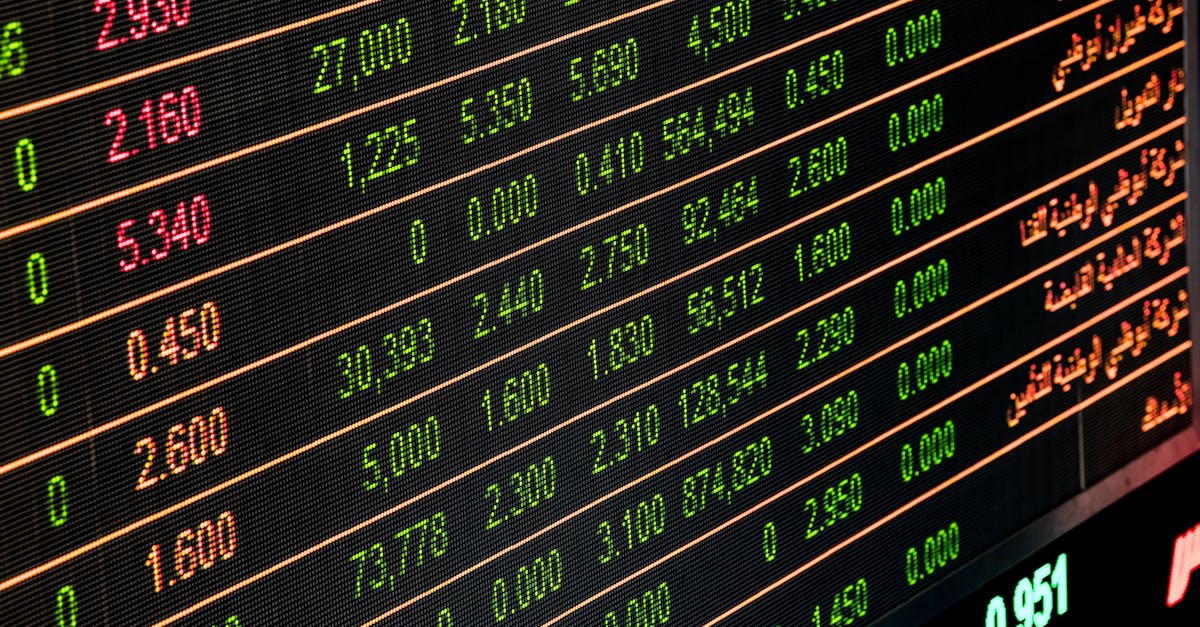
- Sensex fell 332 points, Nifty ended below 23,770 amid fifth day of losses
- Brent crude oil topped $100 per barrel due to US-Iran war fears
- IT and media stocks gained while auto stocks dragged the market down
- Cipla and HCL Tech were among the top gainers in a broadly weak market
Indian stock markets extended their losing streak to a fifth consecutive session on Friday, with the Sensex settling 330 points lower as global crude prices surged past the $100-a-barrel mark amid escalating military tensions between the United States and Iran.
The 30-share BSE Sensex closed 332 points down, while the broader Nifty ended below the 23,770 level. The sell-off was broad-based, though IT and media stocks managed to buck the trend. Auto stocks were the biggest drag on the indices.
Crude Shock Hits Sentiment
Brent crude oil prices breached the psychologically important $100 per barrel threshold during intraday trading on Friday, marking the first time the benchmark has crossed triple digits in over a year. The spike came after reports of fresh hostilities between US and Iranian forces in the Persian Gulf region, raising fears of supply disruptions from one of the world's most critical oil-producing areas.
The surge in crude prices rattled markets globally, with Indian indices particularly vulnerable given the country's heavy reliance on imported oil. A sustained rise in crude prices could widen India's trade deficit, stoke inflationary pressures, and put additional strain on the rupee.
Market Movers: IT, Media Shine, Auto Lags
Despite the overall weakness, select sectors managed to attract buying interest. IT stocks, led by HCL Tech, were among the top gainers. The company's stock rose after positive commentary on deal wins and margin outlook. Cipla also featured among the gainers, supported by news of regulatory approvals for certain drug applications in the US market.
Media stocks also performed relatively well, with analysts attributing the uptick to expectations of strong advertising revenue growth in the upcoming festive season. However, auto stocks bore the brunt of selling pressure as the rise in crude prices raises input costs and could dampen demand for vehicles in a price-sensitive market.
At noon, the market had recovered some ground from the day's low, with the Sensex trading 250 points lower and the Nifty hovering near 23,800. Analysts noted that the recovery was largely driven by short-covering in beaten-down stocks rather than fresh buying interest.
Three Reasons Behind the Sell-Off
Market participants pointed to three primary factors behind the sustained decline. First, the escalation of the US-Iran conflict has injected a fresh dose of geopolitical uncertainty into global markets. Second, the spike in crude prices threatens to derail the disinflation narrative, potentially forcing central banks, including the Reserve Bank of India, to keep interest rates higher for longer. Third, foreign portfolio investors have been net sellers in recent sessions, adding to the domestic selling pressure.
The Sensex had fallen over 500 points at one stage during the session before paring some losses. The volatility index, India VIX, rose sharply, indicating heightened anxiety among traders about near-term market direction.
Investors will now closely monitor developments in West Asia over the weekend. Any further escalation in the US-Iran standoff could trigger another round of selling when markets reopen on Monday. On the other hand, signs of de-escalation or diplomatic intervention could provide a much-needed relief rally.