Indian Astronomers Observe Rare Star Rejuvenation Event
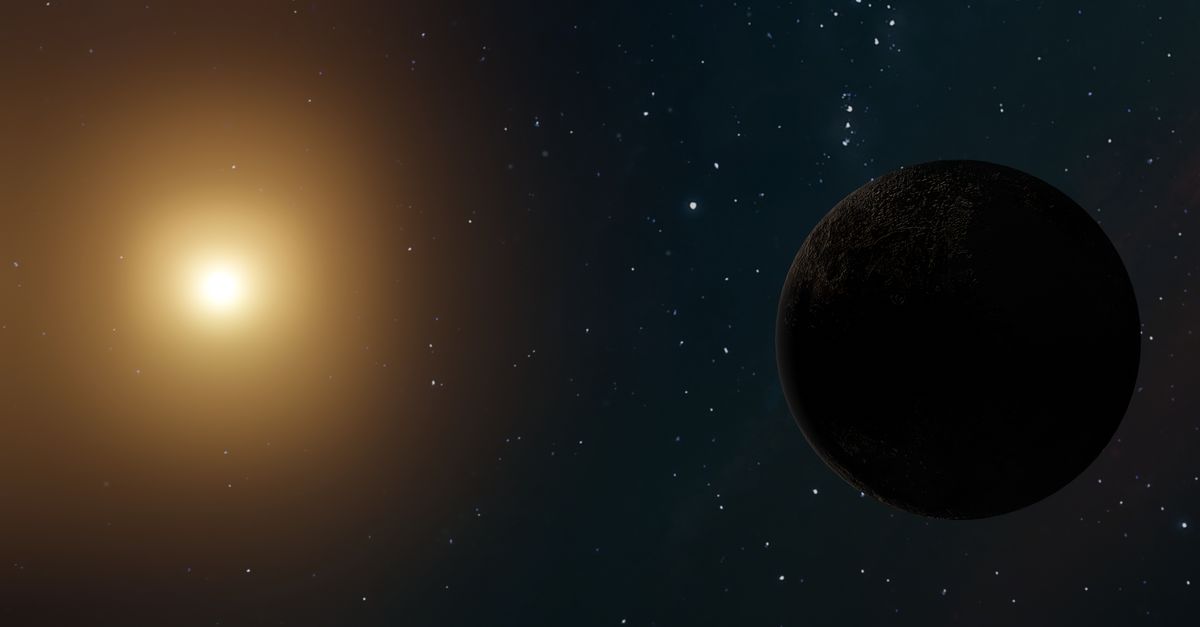
- Indian astronomers observed a star undergoing a rare rejuvenation process.
- The event provides new data on stellar evolution and how stars can reverse aging.
- The discovery was made using telescopes in India, highlighting the country's growing role in astronomy.
A Cosmic Fountain of Youth
Indian astronomers have captured a rare celestial spectacle: a star in the process of rejuvenating itself. The observation, made using ground-based telescopes in the country, offers an unprecedented look at a phenomenon that challenges conventional understanding of stellar life cycles.
Stars are not supposed to get younger. They burn through their nuclear fuel and eventually die. But this particular star appears to have found a way to reverse its aging, at least temporarily.
How a Star Rejuvenates
The rejuvenation event is linked to a process called mass transfer in a binary star system. In such systems, two stars orbit each other, and one can siphon material — mostly hydrogen — from its companion. This influx of fresh fuel can re-ignite nuclear fusion in the core of the receiving star, making it appear hotter and younger than its actual age.
The Indian team detected this specific star during a survey of variable objects. They noticed unusual brightness fluctuations that did not fit typical patterns of stellar aging or pulsation. Further spectroscopic analysis confirmed the presence of material flowing between the two stars.
Indian Telescopes at the Forefront
The discovery was made possible by the capabilities of India's own observatories. Astronomers used the 2-metre Himalayan Chandra Telescope in Ladakh and the 1.3-metre telescope at the Devasthal Observatory in Nainital. These facilities allowed for continuous monitoring over several months.
The data captured the moment when the rejuvenating star began to brighten and heat up, a direct result of the fresh hydrogen being dumped onto its surface. This is the first time such an event has been caught in such detail by Indian astronomers.
What This Means for Stellar Physics
This observation provides direct evidence for a theoretical process that has long been suspected but rarely seen. Binary star systems are common in the galaxy, and mass transfer between them is thought to be a key driver of many exotic phenomena, including certain types of supernovae.
Understanding how and when stars can rejuvenate helps scientists build better models of stellar evolution. It also sheds light on the eventual fate of stars in close binary pairs, which can end their lives in dramatically different ways than solitary stars like our Sun.
The Road Ahead
The team plans to continue observing the system to see how long the rejuvenation phase lasts. They also hope to identify similar systems in other parts of the sky. The discovery places India firmly on the map for cutting-edge stellar astronomy.
For now, the star remains a cosmic curiosity — a rare glimpse of a star defying its own aging process, caught in the act by a watchful eye from the ground.