Macron holds crisis cabinet meeting as wildfire nears Bordeaux
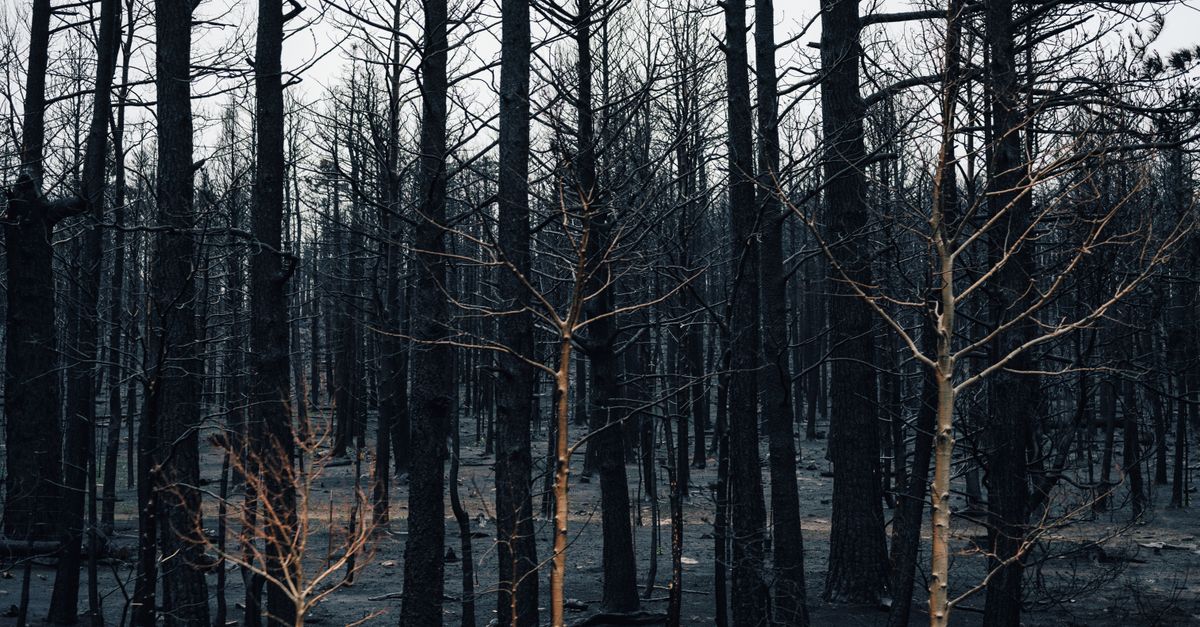
- Macron called a crisis meeting of the French Cabinet as a wildfire approached Bordeaux.
- Firefighters are struggling to keep the flames away from the city and surrounding areas.
- Authorities have warned that some European wildfires might not be extinguished until November.
French President Emmanuel Macron convened an emergency meeting of his Cabinet on Monday as a massive wildfire advanced toward the city of Bordeaux. The blaze, part of a series of devastating wildfires sweeping across Europe, has forced thousands to flee their homes and stretched firefighting resources to the limit.
The crisis meeting was held in Paris as thick plumes of smoke darkened the skies over southwestern France. Firefighting teams, including reinforcements from other European nations, battled through the night to create firebreaks and protect populated areas.
Blaze threatens wine country
The fire is burning through the famed pine forests of the Landes region, an area known for its timber and vineyards. Gusty winds and dry conditions have made containment efforts extremely difficult.
Local officials have issued evacuation orders for several communes on the outskirts of Bordeaux. Emergency shelters have been set up in sports halls and schools to accommodate the displaced.
“The situation remains critical,” a spokesperson for the Gironde prefecture said. “We are doing everything possible to protect lives and property.”
Europe-wide fire crisis
The Bordeaux blaze is just one of several major wildfires burning across the continent. Intense heatwaves and prolonged drought have turned vast areas of woodland into tinderboxes.
In Spain, firefighters are battling flames near Madrid. In Portugal, villages have been evacuated as fires rage in the central and northern regions. Greece, which has faced devastating wildfires in recent summers, has also reported new outbreaks.
European Union officials have activated the bloc's civil protection mechanism, coordinating the deployment of firefighting aircraft and ground crews to the worst-affected areas.
Months of danger ahead
Authorities have issued a stark warning: these fires may not be fully extinguished for months. The Guardian reported that officials now believe some blazes could continue burning well into November.
The extended fire season is being linked to climate change, which has made southern Europe hotter and drier for longer periods each year. Scientists say such extreme fire conditions are becoming the new normal for the region.
“We are facing a fire regime that we have not seen before,” said a senior French fire service commander. “The traditional fire season is over. We must prepare for year-round risk.”
Thousands of firefighters remain deployed across multiple fronts, supported by water-bombing planes and helicopters. France has requested additional aerial assets from the EU reserve.
The economic toll is already mounting. The timber industry in the Landes forest, one of the largest in Europe, faces catastrophic losses. Vineyards in Bordeaux, some of the most famous in the world, are threatened by smoke damage and potential flame encroachment.
Insurance companies are bracing for claims running into billions of euros. Farmers and winemakers fear the loss of entire harvests.
President Macron has promised full government support for affected communities. The crisis meeting on Monday is expected to approve emergency funding and streamline compensation procedures for victims.
Opposition politicians have criticised the government's preparedness, arguing that earlier investments in fire prevention and rural clearance could have reduced the severity of the crisis. The government has defended its record, pointing to increased funding for firefighting services in recent years.
The coming days will be critical. Forecasts predict little rain and continued high temperatures across much of the fire zone. Firefighters are racing to strengthen containment lines before conditions worsen again.
Authorities have urged residents in threatened areas to remain vigilant and follow evacuation orders immediately. The priority, officials say, remains saving lives.
What happens next depends largely on the weather. If the winds shift and temperatures drop, firefighters may gain the upper hand. If the heat persists, the crisis could deepen further across the continent.