Nandan Nilekani to lead PM Modi's task force on exam reforms
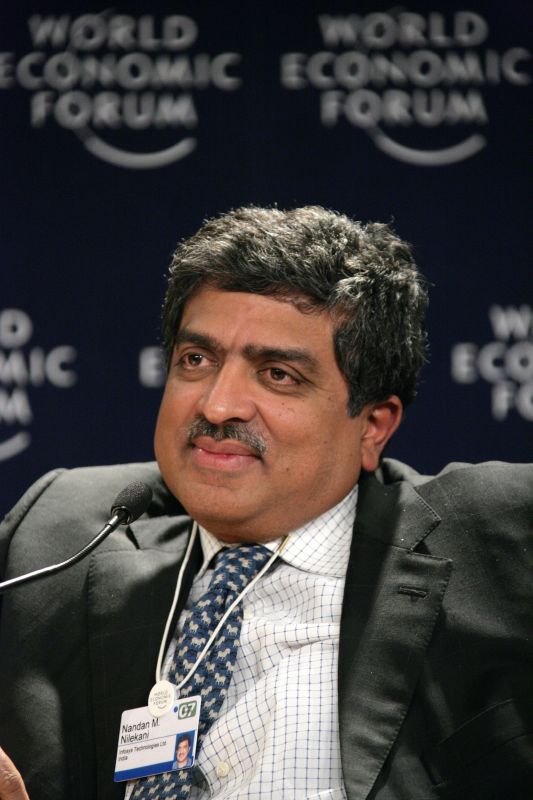
- Nandan Nilekani will head a new task force to overhaul India's examination system after widespread protests.
- The panel has been formed in the wake of multiple alleged paper leaks and the resignation of the NTA chief.
- Opposition has criticised the move as a public relations exercise to salvage the government's image.
Context: A crisis of credibility in India's exam system
Prime Minister Narendra Modi has appointed Nandan Nilekani, the co-founder of Infosys and former chairman of the Unique Identification Authority of India (UIDAI), to head a new task force on examination reforms. The decision comes days after the resignation of the National Testing Agency (NTA) director general, and follows months of street protests by students alleging widespread paper leaks and administrative mismanagement.
The task force will recommend structural changes to make the country's high-stakes entrance exams — from medical and engineering to central university admissions — more secure, transparent, and leak-proof. The panel has been given a tight deadline to submit its report, signalling the government's urgency to restore public confidence in the examination system.
Background: From paper leaks to a political crisis
The crisis began earlier this year when reports emerged of question paper leaks in multiple competitive exams, including the National Eligibility cum Entrance Test (NEET-UG) and the University Grants Commission-National Eligibility Test (UGC-NET). Student protests erupted across several states, with demonstrators demanding a Central Bureau of Investigation (CBI) probe and the removal of senior NTA officials.
The situation escalated to the point where the Union Education Minister was forced to step down. The government's response has been to dismantle the existing NTA leadership and replace it with a new, high-powered task force. The panel includes experts from technology, education, and law enforcement, but its composition has drawn sharp political reactions.
Why it matters: Trust in fair opportunity is at stake
For millions of Indian students, competitive exams are the primary gateway to higher education and government jobs. Any perception of unfairness — whether through leaks, rigged results, or administrative bias — can erode trust in the system and trigger social unrest. The protests this year were among the largest in recent memory, with students from rural and urban areas alike taking to the streets.
The choice of Nandan Nilekani is strategic. He is widely credited with successfully implementing Aadhaar, the world's largest biometric identity project, which involved managing massive data and ensuring privacy safeguards. His reputation for efficiency and tech-driven governance makes him a credible figure to lead a reform effort that will likely involve digitisation, encryption, and real-time monitoring of exam processes.
What the task force will examine
The task force's terms of reference include reviewing the entire exam life cycle — from question paper setting and printing to distribution, storage, and evaluation. It will also look at the legal framework governing the NTA and recommend amendments to make malpractices punishable with stricter penalties.
Sources indicate that the panel is expected to propose a centralised digital platform for all major entrance exams, with biometric verification of candidates and encrypted question papers that are decrypted only at the time of the exam. The use of blockchain technology for result declaration is also under consideration. The task force has been asked to submit an interim report within four weeks and a final report within three months.
The government has also indicated that the reform agenda will not stop at exams. Reports suggest that the next major political priority for the Modi administration will be the delimitation exercise, which involves redrawing parliamentary and assembly constituencies based on the latest census data.
Criticism: Opposition cries 'image management'
The Congress party has dismissed the task force as a 'high-powered attempt to fix the PM's compromised image'. Party spokespersons have argued that the government should have focused on strengthening the NTA rather than replacing its leadership after the damage was done. Some critics have pointed out that Nilekani, while a respected technocrat, has no direct experience in education policy or examination administration.
However, the government has countered by stating that the problem was not with the NTA's intent but with its execution, and that a fresh perspective from outside the education bureaucracy was necessary. Officials have also noted that the task force includes representatives from the Ministry of Education, the Department of Personnel and Training, and the Intelligence Bureau, ensuring domain expertise.
What to watch
The success of the task force will depend on whether its recommendations are implemented swiftly and whether the next exam cycle — starting in early 2026 — can be conducted without disruption. The political opposition will be watching closely for any signs of delay or dilution. For students, the real test will be when they sit for their exams next year and feel confident that the paper they receive is the same one everyone else got.