PCV-VG Ventilation Mode Shows Better Lung Mechanics in New Study
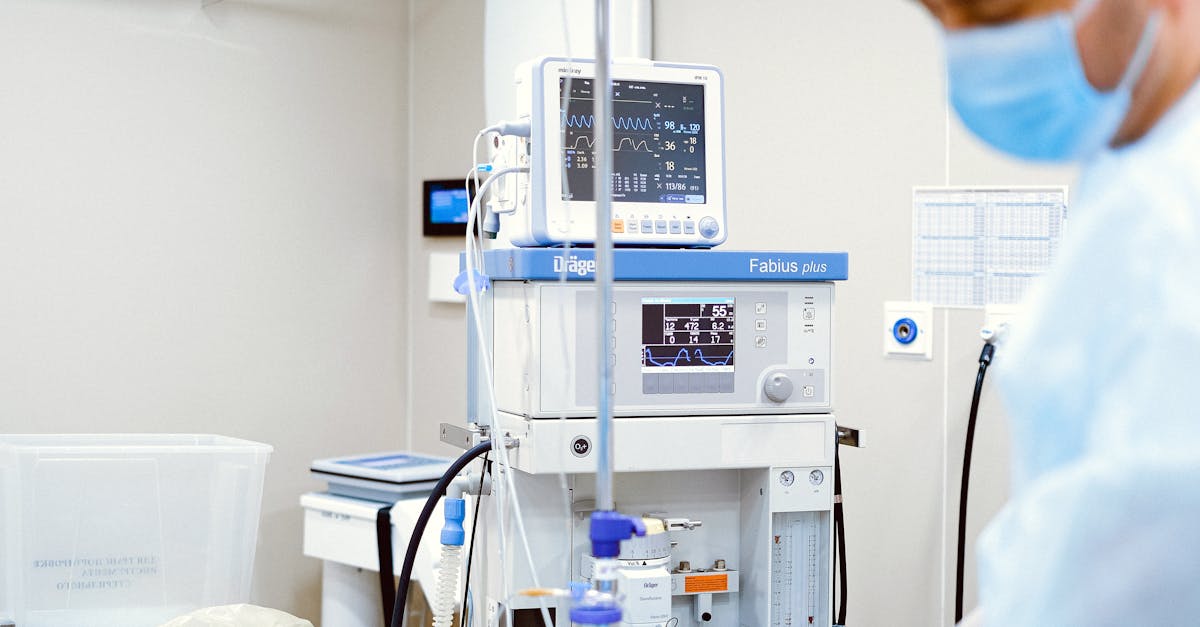
- PCV-VG ventilation mode linked to improved lung compliance and oxygenation.
- Study compared PCV-VG with traditional volume-controlled ventilation.
- Findings could influence intensive care protocols for ventilated patients.
Study Highlights Benefits of PCV-VG Mode
A recent study has found that the Pressure Controlled Ventilation-Volume Guaranteed (PCV-VG) mode can significantly improve lung mechanics in mechanically ventilated patients. The research, published on respiratory-therapy.com, compared this dual-mode ventilation with conventional volume-controlled ventilation in a clinical setting.
PCV-VG combines the benefits of pressure-controlled ventilation with a guaranteed tidal volume. This hybrid approach aims to reduce the risk of lung injury while ensuring adequate gas exchange. The study's results suggest this mode could be a valuable tool for intensive care units.
Better Compliance and Oxygenation
The study reported notable improvements in dynamic lung compliance among patients on PCV-VG. Compliance, a measure of lung distensibility, is a key indicator of respiratory health. Higher compliance means the lungs are easier to inflate, reducing the work of breathing.
Patients in the PCV-VG group also showed better oxygenation indices compared to those on standard volume-controlled ventilation. This suggests that the mode may help maintain optimal oxygen levels with potentially lower airway pressures.
Potential Impact on ICU Protocols
Intensive care doctors often face a tough choice between ventilation modes. Volume-controlled ventilation ensures a set tidal volume but can lead to high airway pressures. Pressure-controlled ventilation limits pressure but may result in variable tidal volumes.
PCV-VG attempts to resolve this by adjusting inspiratory pressure breath-by-breath to deliver a preset volume. The study's findings indicate that this mode may offer a safer balance, particularly for patients with acute respiratory distress syndrome or other lung conditions.
However, the researchers caution that the study was limited in scope. Larger multi-centre trials are needed to confirm these benefits across diverse patient populations.
What This Means for Patients
For patients on ventilators, improved lung mechanics could mean fewer complications and shorter ventilation times. Better compliance and oxygenation may reduce the risk of ventilator-induced lung injury, a common problem in ICUs.
Clinicians may consider PCV-VG as a viable option, especially for patients who do not respond well to traditional modes. But individual assessment remains crucial, as not every patient may benefit equally.
The findings add to a growing body of evidence supporting advanced ventilation strategies. As technology evolves, modes like PCV-VG could become standard practice in respiratory therapy.
Looking ahead, further research will likely focus on long-term outcomes, including mortality and weaning success. For now, the study offers a clearer path for clinicians aiming to optimise lung protection during mechanical ventilation.