Smart Hydrogel Dressing Uses Body's Own Proteins to Heal Wounds Faster
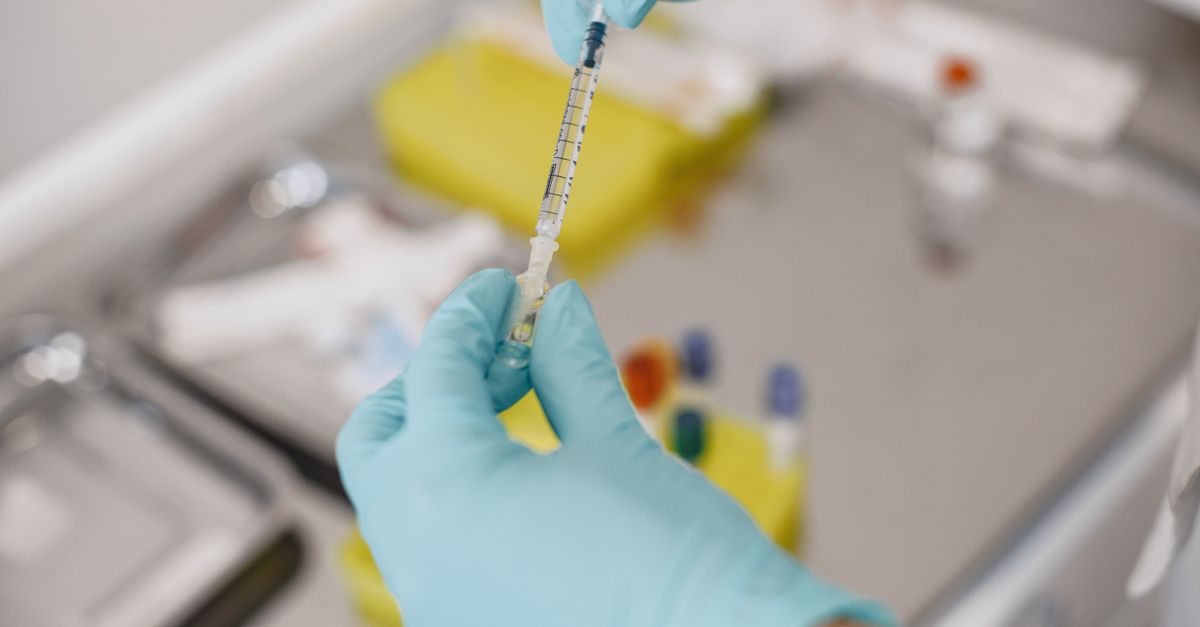
- Injectable hydrogel dressing uses body's own proteins to speed wound healing
- Material activates natural repair signals for deep wounds
- Could reduce recovery time and improve outcomes for complex injuries
New Dressing Works with Body's Natural Healing
Scientists have developed a smart medical dressing that could change how deep wounds are treated. The injectable hydrogel uses the body's own proteins to accelerate healing, offering a bespoke approach to recovery.
Unlike conventional bandages that simply cover a wound, this new material actively interacts with the tissue. It harnesses proteins naturally present in the body to trigger and speed up the repair process.
How the Hydrogel Works
The dressing is designed for deep wounds that are difficult to treat with standard methods. When injected, the hydrogel fills the wound cavity and begins to activate the body's own repair signals.
This approach mimics the natural healing process but accelerates it significantly. The material acts as a scaffold, supporting cell growth while releasing biochemical cues that tell the body to start rebuilding tissue.
Potential for Faster Recovery
Early tests show that the hydrogel can reduce healing time for complex injuries. This is particularly important for patients with chronic wounds or those who have suffered trauma.
By using the body's own proteins, the dressing avoids the need for synthetic growth factors or drugs. This reduces the risk of side effects and makes the treatment more compatible with individual patients.
What Makes It 'Smart'
The term 'smart' refers to the dressing's ability to respond to the wound environment. It releases healing agents only when and where they are needed, rather than delivering a constant dose.
This targeted action makes the treatment more efficient. It also means the dressing can adapt to different stages of healing, from initial inflammation to tissue regeneration.
Looking Ahead
Researchers are now working to refine the hydrogel for clinical use. Human trials are expected to follow, though no timeline has been confirmed yet.
The technology could eventually offer a new standard of care for deep wounds, from surgical incisions to battlefield injuries. If successful, it may reduce recovery times and improve outcomes for millions of patients worldwide.