Chronic sleep disorders may alter brain structure, US study finds
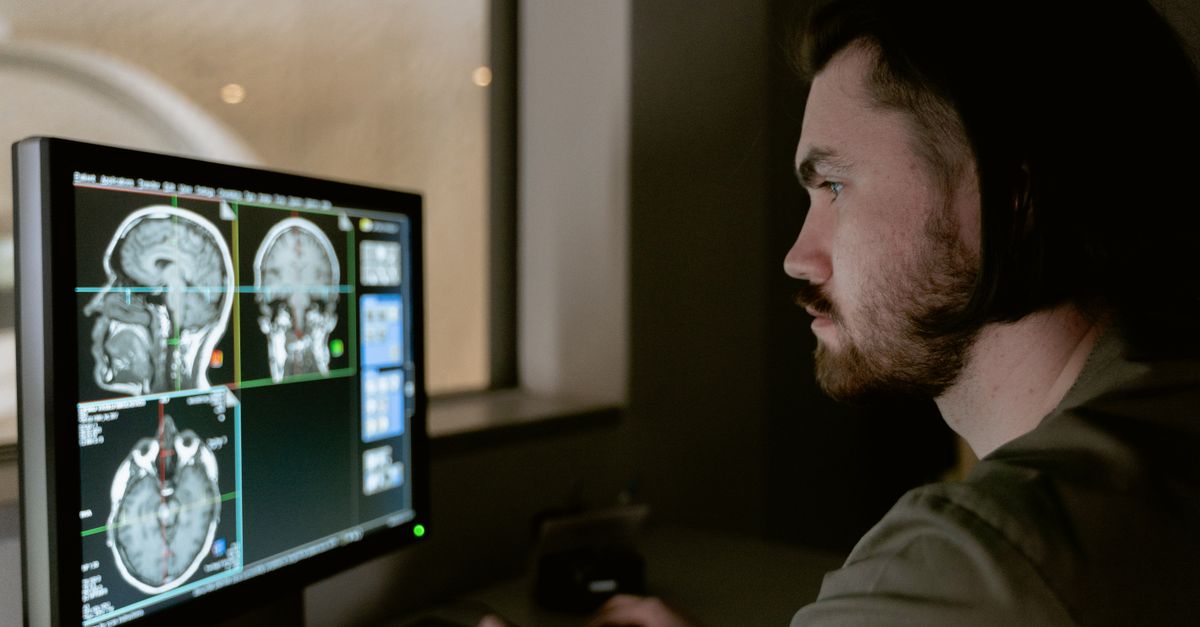
- US study finds chronic sleep disorders may alter brain structure
- Poor sleep linked to changes in grey matter and cognitive function
- Experts emphasise sleep is a necessity, not a luxury
- Sleeping under six hours linked to measurable physical harm
- Findings underscore need for early diagnosis and treatment
Sleep and the brain: more than just feeling tired
A new study from the United States suggests that chronic sleep disorders may do more than leave you groggy — they could actually reshape your brain. The research, which has drawn attention from medical experts worldwide, indicates that persistent lack of quality sleep is linked to measurable changes in brain structure.
Doctors have long warned about the cognitive effects of poor sleep: reduced concentration, memory lapses, and slower reaction times. But this study goes further, pointing to potential long-term physical alterations in the brain itself.
What the study found
Researchers observed that people with chronic sleep problems showed differences in grey matter volume compared to those who slept well. Grey matter is crucial for processing information, controlling muscles, and regulating emotions. A reduction in this area can affect decision-making and emotional stability.
The study adds to a growing body of evidence that sleep is not a passive state but an active process essential for brain maintenance. During deep sleep, the brain clears out waste products and consolidates memories. When that process is repeatedly interrupted, the consequences may be structural.
5 signs you may not be getting enough sleep
Experts point to warning signs that are easy to dismiss. Persistent yawning, irritability, and difficulty waking up are common. More subtle cues include relying on caffeine to get through the day or feeling drowsy during meetings or while driving. If these sound familiar, the underlying issue may be more than just a busy schedule.
The National Sleep Foundation recommends seven to nine hours for most adults. Yet many Indians report sleeping six hours or less on average. That gap has health implications that go beyond tiredness.
Heart surgeon Dr Jeremy London: 'Sleep is a necessity, not a luxury'
Dr Jeremy London, a prominent heart surgeon, has been vocal about the dangers of sleep deprivation. In a recent statement, he warned that poor sleep affects every system in the body. "Sleep is a necessity, not a luxury," he said. "When you cut it short, you are not just tired — you are harming your heart, your brain, and your immune system."
His comments echo findings from multiple studies linking insufficient sleep to hypertension, diabetes, and obesity. The new brain study reinforces that message: the damage may be happening silently, inside the skull.
Sleeping under six hours: the measurable harm
Research has quantified the harm of sleeping less than six hours a night. Beyond the brain changes, such habits are associated with a 12% higher risk of early death. The body's ability to repair cells, regulate hormones, and fight infection all depend on adequate rest.
For those with chronic insomnia or sleep apnoea, the risks compound. These conditions are treatable, but many people do not seek help. The study authors stress that early intervention could prevent or even reverse some of the brain changes observed.
What comes next? Researchers are now exploring whether improving sleep quality through therapy or medication can restore lost grey matter. For now, the takeaway is clear: if you are struggling with sleep, see a doctor. Your brain may depend on it.