Orange Buck Moon to rise tonight ahead of rare eclipse month
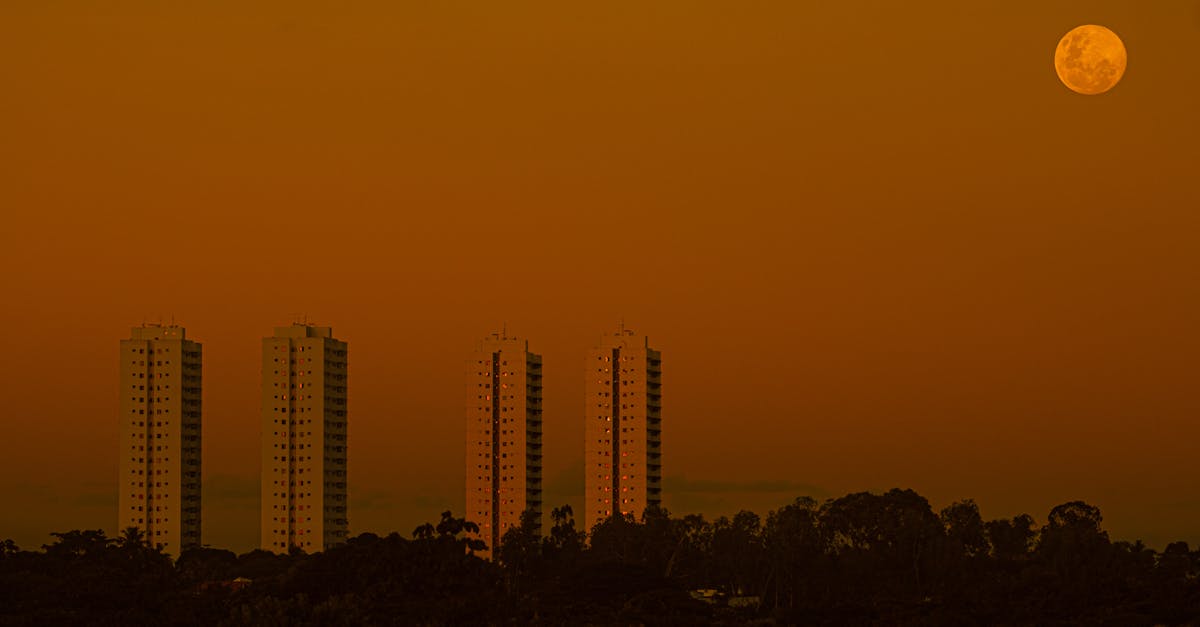
- The Buck Moon rises tonight and will appear orange due to atmospheric conditions.
- This full moon precedes a rare month featuring both a solar and lunar eclipse.
- Best viewing times are just after sunset in clear skies across India.
Skywatchers across India are in for a treat tonight as July's full Buck Moon rises, glowing with an orange hue. This is no ordinary full moon — it marks the beginning of a rare celestial month that will feature both a solar and a lunar eclipse.
What makes the Buck Moon special
The Buck Moon gets its name from Native American traditions, referring to the time when male deer (bucks) grow new antlers. In July, the moon often appears lower on the horizon, causing its light to pass through more of Earth's atmosphere. This scatters blue light and leaves only red and orange wavelengths, giving the moon a warm, coppery colour.
Astronomers say the orange tint will be most visible just after sunset, when the moon is closest to the horizon. In India, the moon will rise around 7:15 PM IST, depending on your location.
A month of eclipses awaits
Tonight's Buck Moon is a prelude to an unusual sequence of events. Over the next few weeks, the Earth, moon, and sun will align twice, producing a solar eclipse and a lunar eclipse within the same month.
A partial solar eclipse is expected around mid-August, followed by a full lunar eclipse later in the month. Such a pairing is rare — it happens only when the moon's orbit brings it into alignment with both the sun and Earth twice in quick succession.
Officials at the Nehru Planetarium in Delhi have not yet confirmed exact timings for Indian viewers, but amateur astronomers are advised to keep their telescopes ready.
How to watch the Buck Moon tonight
No special equipment is needed to see the Buck Moon. Simply look east after sunset. The orange glow will be most intense for the first hour after moonrise.
Urban viewers should find a spot away from bright city lights for the best view. Parks, rooftops, or open grounds in towns and villages will offer clear sightlines. Binoculars or a small telescope will reveal craters and lunar maria in sharper detail.
Cloud cover might block the view in some coastal areas, but most of northern and central India is expected to have clear skies tonight.
What to watch for next
After the Buck Moon fades, keep an eye on the morning and evening skies. The solar eclipse in mid-August will be visible as a partial event across parts of India, while the lunar eclipse later that month will tint the full moon a deep red — a so-called Blood Moon.