Supreme Court orders release of minor NEET protesters, bars coercive action
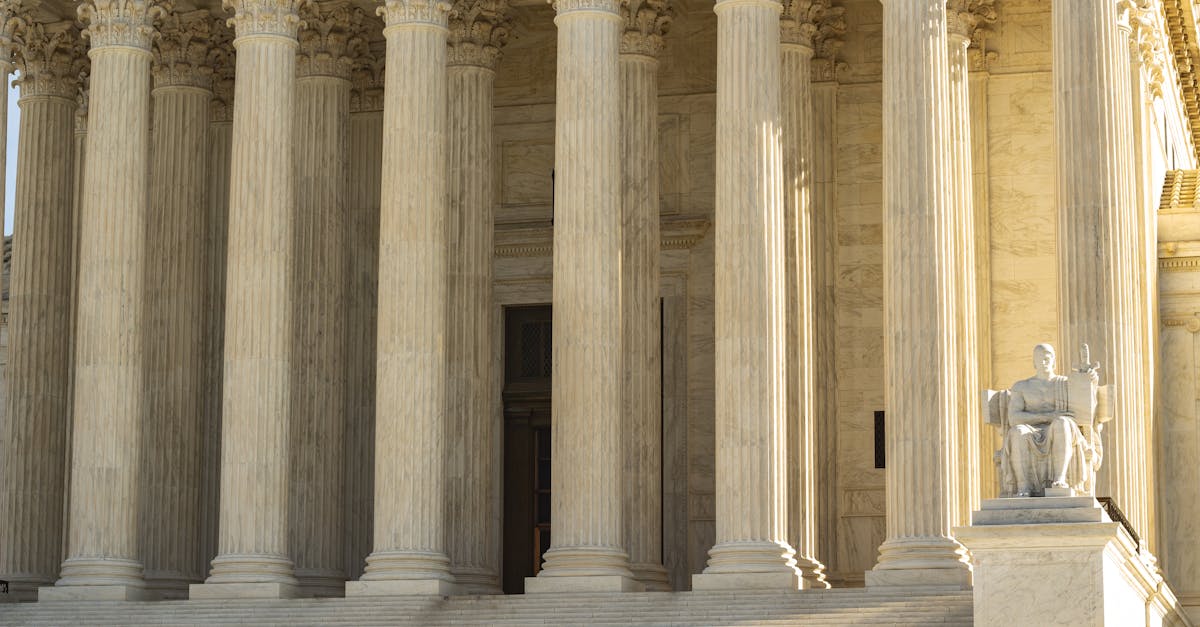
- Supreme Court orders release of all minor NEET protesters except those with criminal antecedents
- Court bars coercive action against youth protesters across states
- Top court orders SIT probe into student protest violence; states allowed to investigate FIRs
Top court intervenes in NEET protest cases
The Supreme Court on Tuesday directed states to release all under-18 protesters arrested in connection with the NEET exam violence, provided they have no criminal antecedents. The order applies to youth demonstrators detained during protests against alleged irregularities in the medical entrance test.
The court also barred any coercive action against minor protesters across the country, according to multiple media reports. The bench was hearing a batch of petitions related to the widespread protests that erupted after the NEET exam controversy.
SIT probe ordered into violence
The Supreme Court ordered a Special Investigation Team (SIT) to probe the violence that broke out during the student protests. The court allowed states to investigate FIRs registered in connection with the incidents, but imposed restrictions on arresting minors without criminal backgrounds.
Several states had detained hundreds of students, many of them under 18, after clashes between protesters and police. The court's intervention came after reports of excessive force and prolonged detention of juveniles without legal representation.
Scope of the release order
The Telegraph India reported that the court specifically ordered the release of detained protesters without criminal pasts. The bench clarified that those with established criminal records would not benefit from the directive.
The NDTV report added that the court barred states from taking coercive action against youth protesters, effectively freezing new arrests of minors until further orders. The ruling covers all states where NEET-related protests had led to detentions.
Background of the protests
The protests began after allegations of paper leaks and malpractices in the NEET-UG 2025 examination. Demonstrations turned violent in several cities, with students clashing with police and damaging public property.
The Delhi Police's handling of the protests came under scrutiny, with The Hindu reporting that the Supreme Court is yet to detail if Delhi Police kept the Ministry of Home Affairs in the loop about the crackdown. The court is examining the chain of command during the law enforcement response.
Legal questions remain
Live Law reported that the Supreme Court is also examining whether the states can continue prosecuting protesters under various criminal statutes. The bench is expected to issue a detailed order on the scope of the SIT probe and the legal framework for handling student protests.
The court has not yet ruled on the broader question of police accountability or the need for central government oversight in such cases. Lawyers for the protesters have argued that the detentions violated juvenile justice laws.
What happens next
The states are expected to comply with the release order within 48 hours. The SIT will submit its initial report within four weeks. The Supreme Court will hear the next round of arguments on August 10, when it is likely to clarify the legal status of adult protesters and the procedure for future demonstrations.