Double Meteor Shower Peak This Week: How and When to Watch
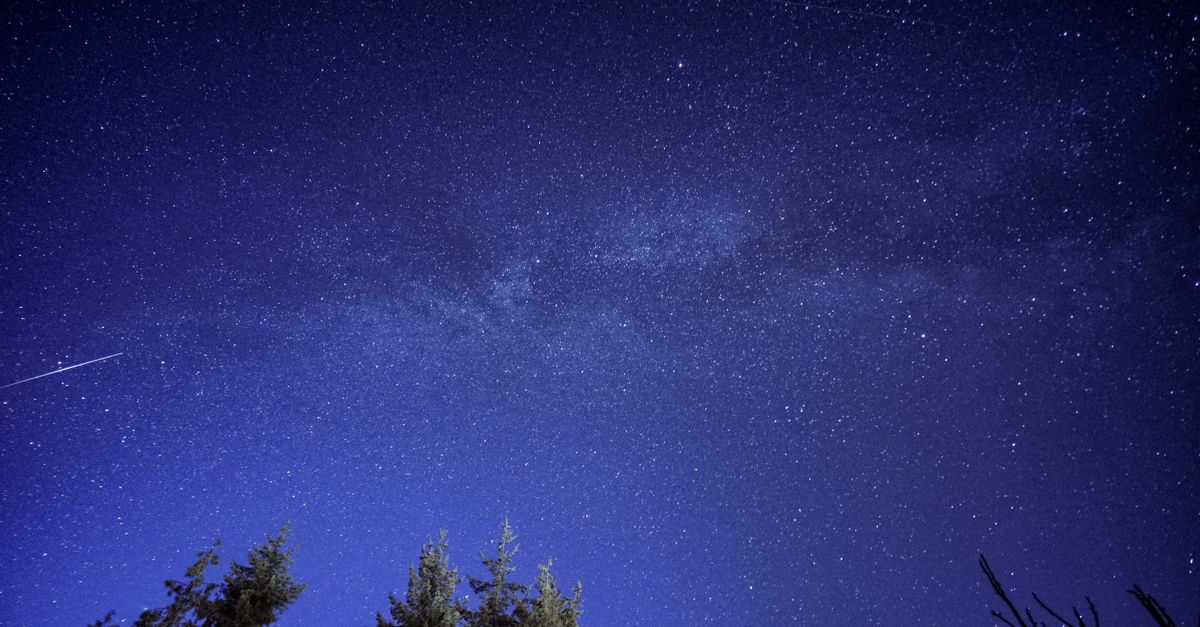
- Two meteor showers peak simultaneously this week: Delta Aquarids and Alpha Capricornids.
- Best viewing is after midnight in the southern sky, away from city lights.
- No special equipment needed; just a dark location and patience.
Sky-gazers are in for a treat this week as two meteor showers peak simultaneously, offering a rare double display of shooting stars. The Delta Aquarids and the Alpha Capricornids are both expected to reach their maximum activity, providing a celestial show for anyone willing to look up.
The Delta Aquarid meteor shower, active from mid-July to late August, is known for its moderate rate of about 15 to 20 meteors per hour. The Alpha Capricornids, which run from early July to mid-August, are slower but often produce brighter fireballs. Combined, observers could see up to 25 meteors per hour under ideal conditions.
When and Where to Look
The best time to watch is after midnight, when the sky is darkest and the radiant points are high. The Delta Aquarids appear to originate from the constellation Aquarius, while the Alpha Capricornids come from Capricornus. Both are visible in the southern sky for viewers in the Northern Hemisphere.
No telescope or binoculars are needed. The key is a dark location far from city lights. Lie flat on your back, let your eyes adjust for at least 20 minutes, and scan the sky. Meteors will streak across in all directions.
Weather and Moon Conditions
This year, the moon is in a waning crescent phase, meaning it will rise late and not interfere much with viewing. Clear skies are essential, so check local forecasts. Even a few clouds can obscure the fainter meteors.
For those in India, the best viewing windows will be between 2 a.m. and dawn. Rural areas or hill stations with low light pollution offer the best chances. City dwellers may see only the brightest meteors.
What Makes This Year Special
While both showers peak annually, their peaks rarely align so closely. The Delta Aquarids are steady and reliable, while the Alpha Capricornids are known for occasional fireballs that can light up the sky. Together, they create a more varied and exciting display.
The American Meteor Society notes that the Delta Aquarids favor observers in the southern tropics, but mid-northern latitudes still get a good show. The Alpha Capricornids are visible from both hemispheres.
No special equipment is required—just patience and a dark sky. Meteors move fast, so keep your eyes wide and your phone off to avoid ruining night vision.
If clouds block the view this week, both showers remain active for several more days. The Delta Aquarids will continue into late August, and the Alpha Capricornids taper off by mid-August.