How AI predicts maternal and newborn health risks before emergencies
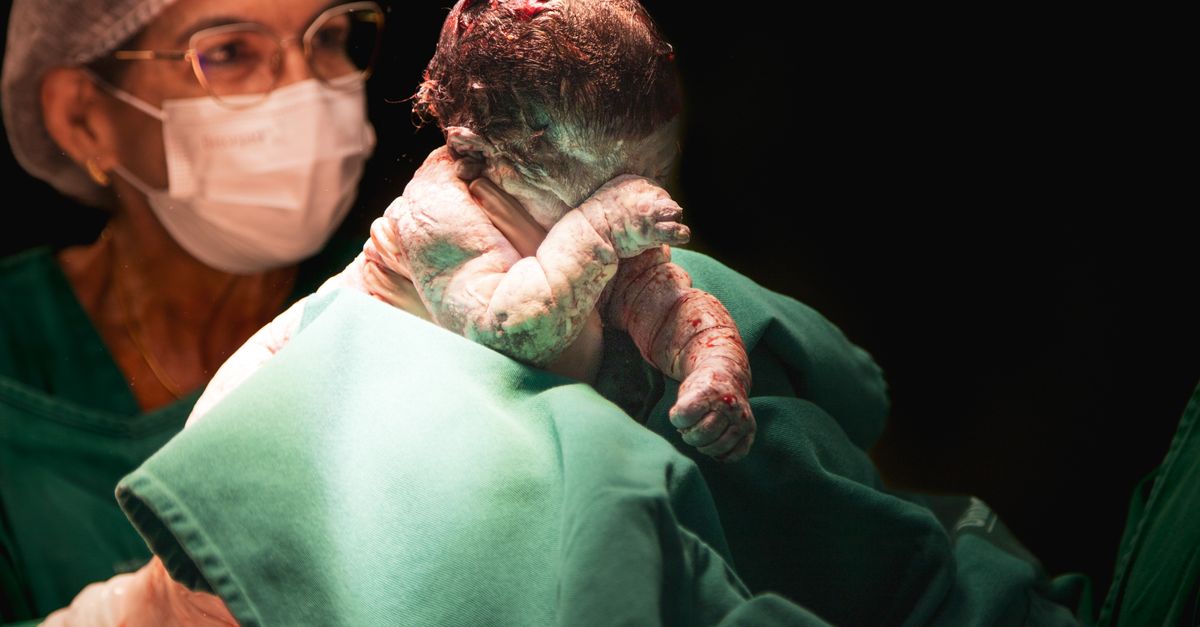
- AI models use electronic health records to flag high-risk pregnancies early.
- Hospitals in India are piloting AI tools to predict postpartum haemorrhage and sepsis.
- Experts say AI can help bridge gaps in rural maternal care if data quality improves.
Spotting trouble before it starts
Maternal and newborn deaths remain a stubborn challenge for India's healthcare system. Every year, thousands of women die from complications that could have been caught earlier. Now, hospitals and researchers are turning to artificial intelligence to shift the timeline — from reacting to emergencies to predicting them.
AI models trained on electronic health records can scan for subtle patterns that human eyes might miss. A sudden dip in blood pressure, a slight change in fetal heart rate, or an abnormal lab result can trigger an alert hours or even days before a crisis. The goal is simple: give doctors a head start.
What the models look for
Several Indian hospitals have begun piloting AI systems that analyse patient history, vitals, and lab data in real time. The algorithms flag risks for conditions like preeclampsia, postpartum haemorrhage, and neonatal sepsis. These are among the leading causes of maternal and infant mortality in the country.
One model, developed by a team at a major public hospital, uses data from over 50,000 deliveries to predict which mothers are likely to need emergency interventions. The system assigns a risk score that updates as new information comes in. Doctors get a dashboard showing which patients need closer monitoring.
Bridging the rural gap
India's maternal mortality ratio has improved but still stands at around 97 deaths per 1,00,000 live births. The gap between urban and rural outcomes is stark. In many villages, pregnant women see a doctor only a few times, and warning signs are easy to miss.
AI tools could help community health workers in remote areas. A simple smartphone app that asks standard questions and flags high-risk cases could be a game-changer. But the technology is only as good as the data feeding it. Many rural clinics still rely on paper records, and digitisation is patchy.
Challenges and caution
Not everyone is convinced that AI is ready for prime time in maternal care. Critics point out that algorithms trained on hospital data from urban centres may not work well for rural populations with different health profiles. Bias in training data could lead to missed diagnoses or false alarms.
Privacy is another concern. Patient health data is sensitive, and India's digital health framework is still evolving. Hospitals need robust systems to protect data while making it usable for AI models. Regulators are watching closely.
What happens next
Several pilot projects are expected to report results within the next year. If the models prove accurate and cost-effective, the health ministry may consider scaling them up. For now, the promise is real but the proof is still being gathered.
The key question is whether AI can move from research papers to delivery rooms — especially in the districts where it is needed most.