Two meteor showers to peak this week: Summer stargazing season begins
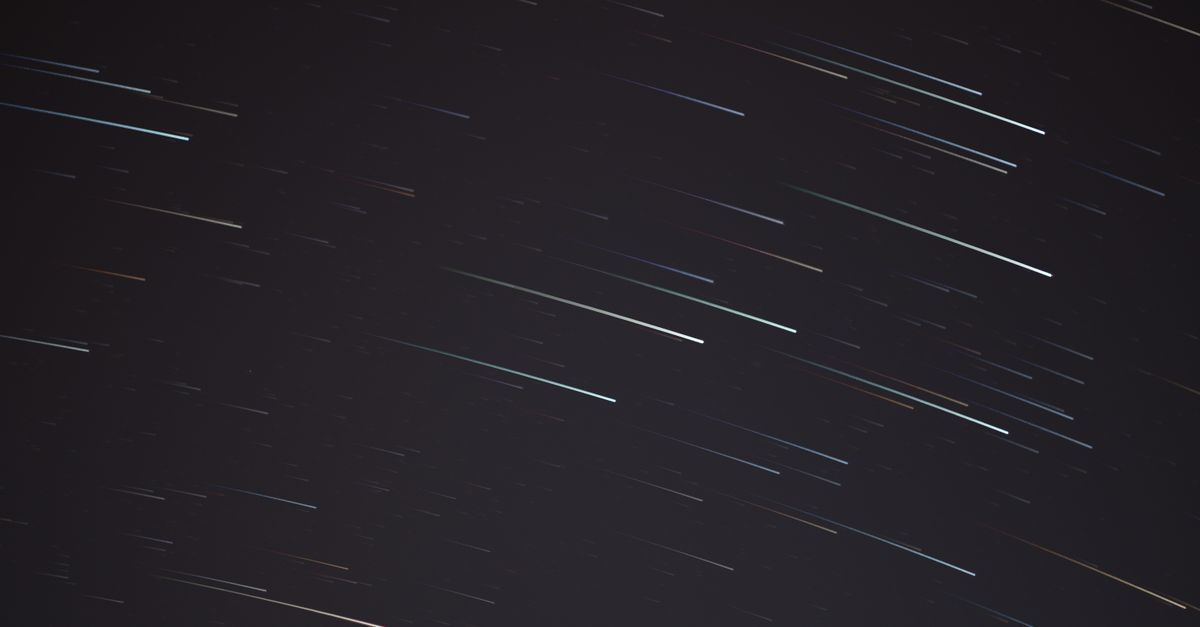
- Two meteor showers, the Southern Delta Aquariids and Alpha Capricornids, are peaking this week, offering a rare double display.
- The best viewing time is after midnight, away from city lights, with no special equipment needed.
- The Southern Delta Aquariids produce up to 20 meteors per hour, while the Alpha Capricornids are slower but brighter.
Skywatchers are in for a treat this week as two meteor showers peak simultaneously, marking the start of the summer stargazing season. The Southern Delta Aquariids and the Alpha Capricornids will both reach their peak activity around Thursday, offering a rare double display.
The celestial event does not require telescopes or binoculars. The best views come from lying flat on the ground, looking up at the darkest part of the sky, and waiting. Patience, experts say, is the only essential tool.
What to expect from the twin showers
The Southern Delta Aquariids are the more active of the two. They can produce up to 20 meteors per hour under ideal conditions. These meteors are fast and faint, often leaving long, glowing trails.
The Alpha Capricornids, in contrast, are slower and brighter. They are known for producing fireballs — exceptionally luminous meteors that can light up the entire sky for a second or two. The two showers together create a varied and engaging show for observers.
When and where to look
The peak is expected around July 30-31, 2026. In the United States, the best time to watch is after midnight, when the radiant points are high in the sky. The Southern Delta Aquariids are best seen from the southern hemisphere, but they are visible from most of the United States as well.
The American Meteor Society notes that moonlight will not be a major hindrance this year, as the moon will be in its waning crescent phase. Dark, rural locations away from city lights will offer the clearest views. Urban observers may need to drive an hour or more to escape light pollution.
How to prepare for the show
No special equipment is required. A reclining chair or a blanket on the ground provides comfort for extended viewing. Warm clothing is advisable even in summer, as temperatures can drop late at night.
Give your eyes at least 20 minutes to adjust to the darkness. Avoid looking at your phone or any bright light during this time. The best strategy is to simply scan the sky without focusing on any one spot.
What makes this year special
While meteor showers are annual events, the simultaneous peak of two major showers is less common. The Southern Delta Aquariids are active from mid-July to mid-August, while the Alpha Capricornids run from early July to mid-August. Their peak periods occasionally overlap.
This year's timing is particularly favourable because the moon is not bright. Experienced stargazers say the combination of dark skies and dual activity makes this one of the best summer viewing opportunities in recent years.
The next few days offer the clearest window. After the peak, meteor activity will gradually taper off through the first week of August. Those who miss the peak may still catch a few stray meteors on surrounding nights.