US Launches Heavy Wave of Strikes on Iran, IRGC Vows Retaliation
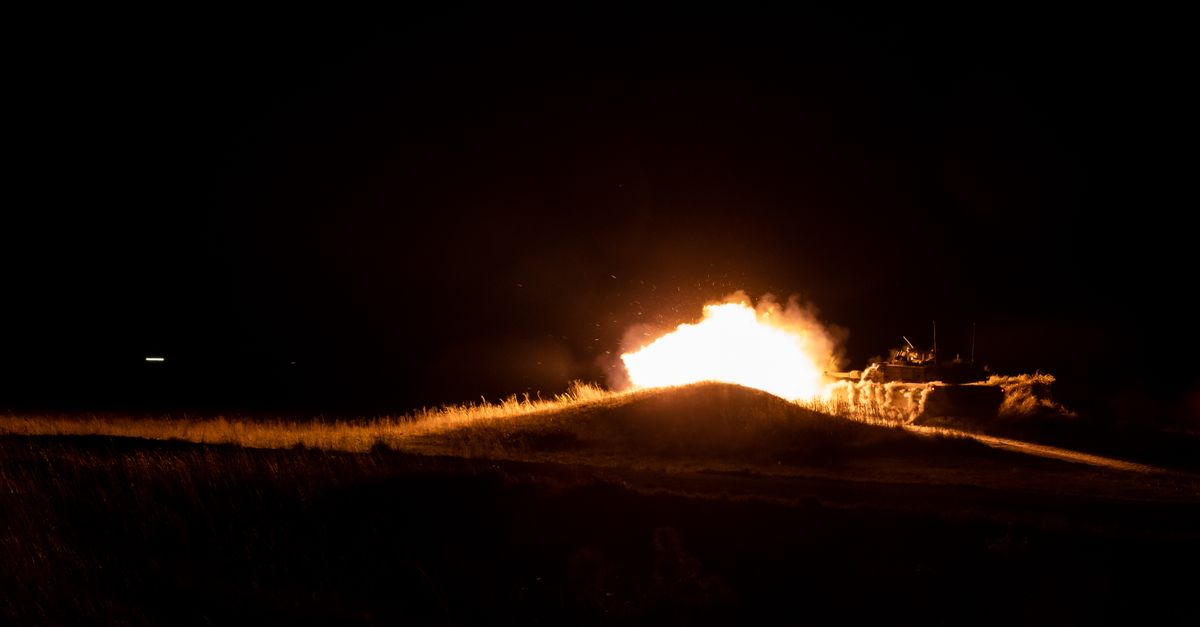
- US military launches 'heavy wave' of airstrikes on multiple targets inside Iran.
- Iran's Islamic Revolutionary Guard Corps (IRGC) pledges immediate retaliation.
- The strikes mark a significant escalation in the ongoing West Asia conflict.
Wave of Attacks Targets Multiple Sites
The United States military launched a fresh and extensive wave of airstrikes against Iran on Thursday, hitting multiple targets across the country. Officials described the operation as a 'heavy wave' of attacks, signalling a major escalation in the conflict that has been widening across the Middle East.
The strikes were confirmed by the Pentagon, which stated they were aimed at degrading Iran's military capabilities. Specific details on the targets and the full extent of the damage have not yet been released.
IRGC Pledges Immediate Response
Iran's Islamic Revolutionary Guard Corps (IRGC) quickly issued a statement vowing a swift and decisive retaliation. The IRGC's declaration raises the stakes significantly, threatening a cycle of escalation that could draw in other regional actors.
Iranian state media reported explosions in several provinces, though independent verification remains difficult. The IRGC has not yet specified the nature or timing of their promised retaliation, leaving the region in a state of high alert.
Conflict Widens Across Middle East
These strikes come as part of a broader conflict that has been expanding across the Middle East. The US has been conducting operations against Iran-linked targets in Iraq and Syria for weeks, but this latest attack directly on Iranian soil marks a significant departure.
Neighbouring countries, including Iraq and the Gulf states, have been watching the situation with growing concern. There are fears that the conflict could spill over borders, disrupting global energy markets and drawing in other nations.
The international community has called for restraint, but diplomatic channels appear strained. The UN Security Council is expected to hold an emergency session in the coming hours to discuss the escalation.
What to Watch Next
The immediate focus now shifts to Iran's response. The IRGC's promise of retaliation raises the possibility of further military action, either through direct attacks or proxy forces. The world will be watching to see if this latest 'heavy wave' of strikes brings a wider regional war closer to reality.