World Hepatitis Day 2026: India Screens 21 Crore, Experts Push Early Detection
- India has screened over 21 crore people for hepatitis as part of its elimination drive.
- AIIMS experts highlight early screening as key to preventing hepatitis-related deaths.
- WHO, ECDC and partners released new publications and insights on viral hepatitis elimination.
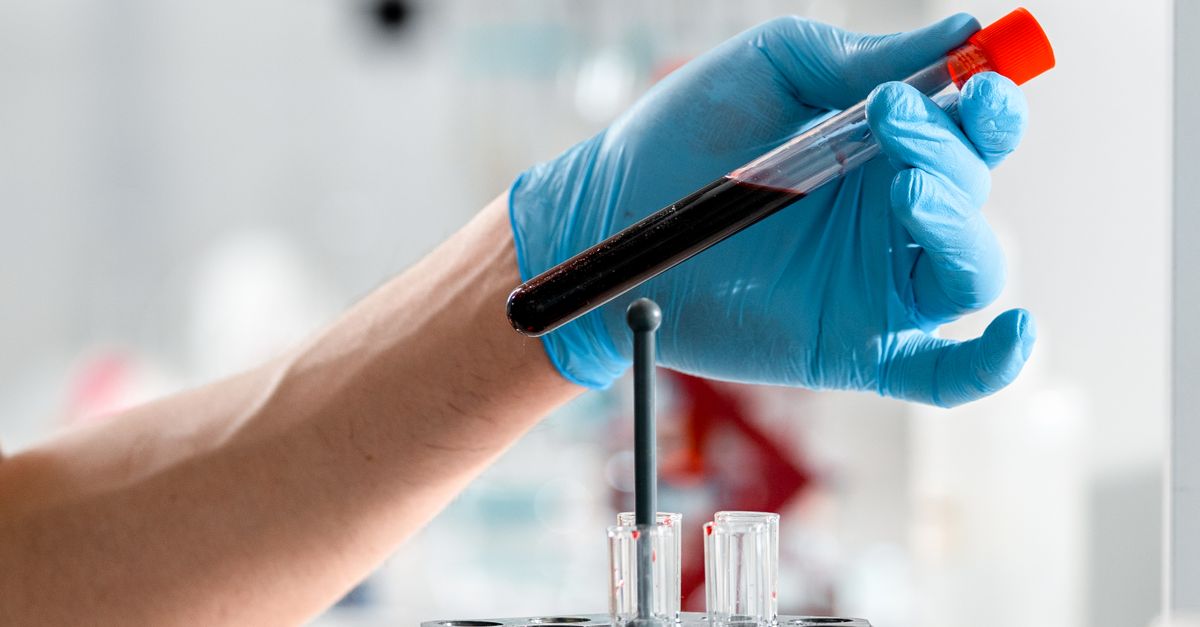
- Blood tests are crucial to achieving hepatitis elimination goals, experts say.
New Delhi, July 30: On World Hepatitis Day 2026, India reported a significant milestone in its fight against viral hepatitis. The Health Ministry announced that over 21 crore people have been screened for the disease under the national elimination programme.
The announcement came as global health bodies, including the World Health Organization (WHO) and the European Centre for Disease Prevention and Control (ECDC), released fresh publications and insights on hepatitis elimination strategies.
AIIMS Experts Call for Early Screening
Doctors at the All India Institute of Medical Sciences (AIIMS) have underlined that early screening is the single most effective tool to prevent deaths from hepatitis. They warn that most liver damage occurs silently, and patients often seek help only when the disease has advanced.
“The majority of hepatitis-related fatalities can be avoided if we catch the infection early,” a senior AIIMS hepatologist said. The experts stressed that a simple blood test can detect hepatitis B and C, which together account for the bulk of viral hepatitis cases in India.
21 Crore Screened, But Challenges Remain
The Health Ministry’s data, shared via a press release on World Hepatitis Day, shows that India has screened over 21 crore individuals. This is part of the government’s target to eliminate hepatitis by 2030, in line with WHO’s global strategy.
However, experts point out that screening alone is not enough. Linkage to care, treatment, and vaccination coverage must improve. Hepatitis B vaccine is part of India’s universal immunisation programme, but coverage gaps persist in rural and underserved areas.
Blood Tests Crucial to Elimination
Medical experts have reiterated that blood tests remain the cornerstone of hepatitis elimination. They enable early diagnosis and help prevent transmission from mother to child, through unsafe blood transfusions, or via contaminated needles.
The Hindustan Times reported that several states have ramped up testing facilities, particularly in district hospitals and primary health centres. The government has also launched awareness campaigns to reduce stigma associated with the disease.
Global Insights from WHO, ECDC
On the occasion of World Hepatitis Day 2026, WHO and ECDC released new publications focusing on innovative strategies for elimination. These include point-of-care diagnostics, simplified treatment protocols, and community-based screening models.
The European AIDS Treatment Group, which compiled the original reporting, highlighted that early detection and treatment can reduce hepatitis deaths by up to 65 percent globally. The insights are expected to guide national programmes in high-burden countries like India.
India accounts for a significant share of the global hepatitis burden. According to WHO estimates, the country has over 40 million people living with hepatitis B and 6 million with hepatitis C, many of whom remain undiagnosed.
As the country moves towards its 2030 elimination target, the focus will now shift to ensuring that those who test positive receive timely treatment and that prevention efforts reach the most vulnerable populations.