Indian Cinema's Evolution: From Silent Era to Bollywood
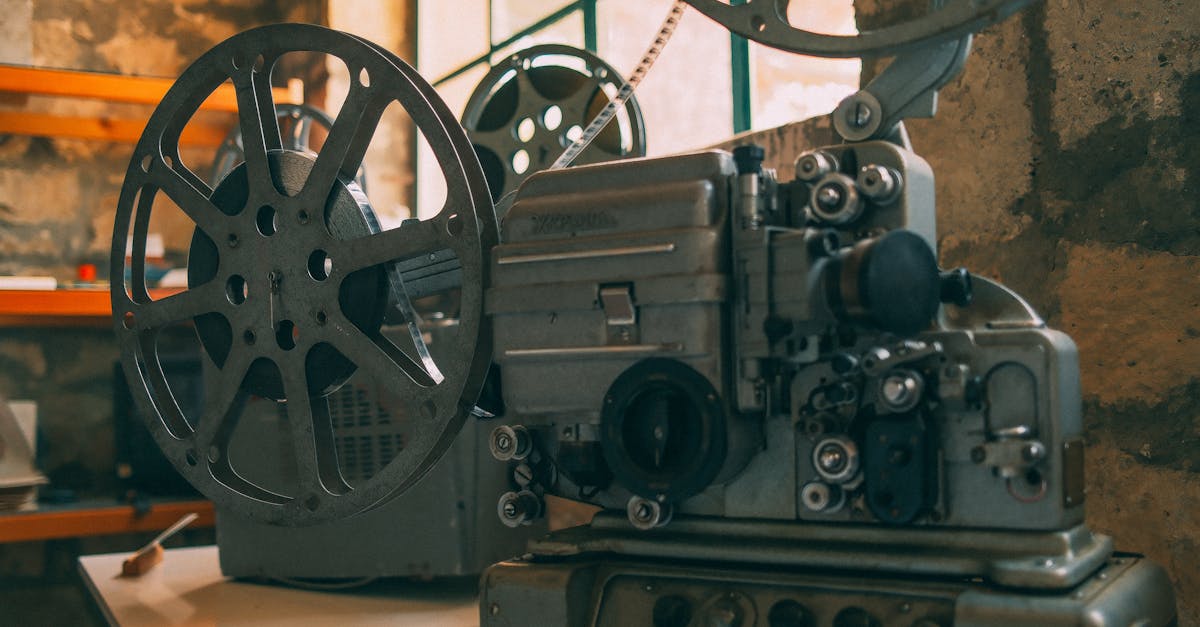
- Indian cinema began with silent films in the early 20th century, evolving rapidly after independence.
- Bollywood, based in Mumbai, became the world's largest film industry by output, known for its song-and-dance spectacles.
- Regional cinemas across India (Tamil, Telugu, Bengali, etc.) contributed diverse storytelling traditions.
- Technological and stylistic shifts, from studio era to new wave, shaped the industry's trajectory.
The story of Indian cinema is a saga of transformation, from flickering silent reels to the dazzling spectacle of Bollywood. It is a journey that mirrors the nation's own evolution, its struggles, and its dreams. Over a century, the moving image has become the country's most powerful cultural language, spoken by billions.
The Silent Foundations
India's tryst with film began in the late 19th century, when the Lumière brothers' cinematograph landed in Mumbai in 1896. Within a decade, enterprising locals like Dadasaheb Phalke were experimenting with the new medium. His 1913 epic, Raja Harishchandra, is widely considered the first Indian feature film, a mythological tale that set the template for decades to come.
The silent era, spanning the 1910s and 1920s, was a period of rapid growth. Studios sprang up in Mumbai, Kolkata, and Chennai, producing a mix of mythologicals, historicals, and social dramas. These films, though technically silent, were far from quiet; they were accompanied by live music and often featured elaborate costumes and sets, creating a uniquely Indian visual aesthetic.
The Arrival of Sound and the Studio Era
The advent of talkies in 1931 with Alam Ara revolutionised the industry. Sound allowed for dialogue and, crucially, music, which became an inseparable part of Indian film. The 1930s and 1940s were the golden age of studios, with major production houses like Bombay Talkies and New Theatres churning out hits that defined genres and launched stars.
The 1940s also witnessed the rise of a more socially conscious cinema. Filmmakers began tackling issues of poverty, partition, and national identity. This period laid the groundwork for the parallel cinema movement that would emerge later, offering a stark contrast to the escapist musicals that dominated the mainstream.
The Rise of Bollywood
After independence in 1947, Indian cinema entered a new phase. The term 'Bollywood'—a portmanteau of Bombay and Hollywood—evolved to describe the Hindi-language film industry based in Mumbai. It grew into a massive cultural and economic force, producing more films than any other industry in the world. The typical Bollywood formula—a mix of romance, action, comedy, and several song-and-dance numbers—became its global signature.
This era saw the emergence of iconic stars and filmmakers who became household names. The 1950s and 60s were marked by the romanticism of Raj Kapoor and Guru Dutt, while the 70s introduced the 'angry young man' persona, epitomised by Amitabh Bachchan. These films were not just entertainment; they were a reflection of the nation's mood, from post-independence optimism to the disillusionment of later decades.
Regional Cinemas and the New Wave
While Bollywood captured the national spotlight, regional cinemas flourished. The Bengali film industry, led by Satyajit Ray and Ritwik Ghatak, achieved international acclaim for its realism and artistic depth. The Tamil, Telugu, and Malayalam industries developed their own distinct styles, producing films that were technically innovative and culturally specific. These parallel streams enriched Indian cinema immeasurably, offering diverse narratives beyond the Hindi heartland.
The 1970s and 80s also saw the rise of the 'new wave' or parallel cinema, which rejected the commercial formula in favour of realism and social critique. Filmmakers like Shyam Benegal and Govind Nihalani used cinema as a tool for introspection, addressing issues of caste, class, and gender. This movement, though commercially less successful, earned critical respect and expanded the boundaries of Indian storytelling.
The Globalised Era
The liberalisation of the Indian economy in 1991 brought sweeping changes to the film industry. Corporatisation, satellite television, and the diaspora market transformed how films were made and consumed. Bollywood began to look outward, attracting international co-productions and global audiences. Films like Lagaan and Dilwale Dulhania Le Jayenge found resonance overseas, making Indian cinema a truly global phenomenon.
Technology has also been a great leveller. From the digital shift in production to the rise of streaming platforms, the way audiences access films has changed dramatically. Today, an Indian film can premiere simultaneously in theatres and on a phone screen, reaching millions across the world. The industry, once defined by celluloid and single screens, now thrives on data and algorithms.
As Indian cinema moves forward, it carries the weight of a rich, complex history. The next chapter will be written by a new generation of filmmakers who are blending tradition with innovation, and who are unafraid to question old norms. The story of Indian cinema is far from over—it is simply entering its most exciting phase yet, one where the past and the future are in constant, creative dialogue.