Hyderabad cab driver held for forging two BHK allotment orders
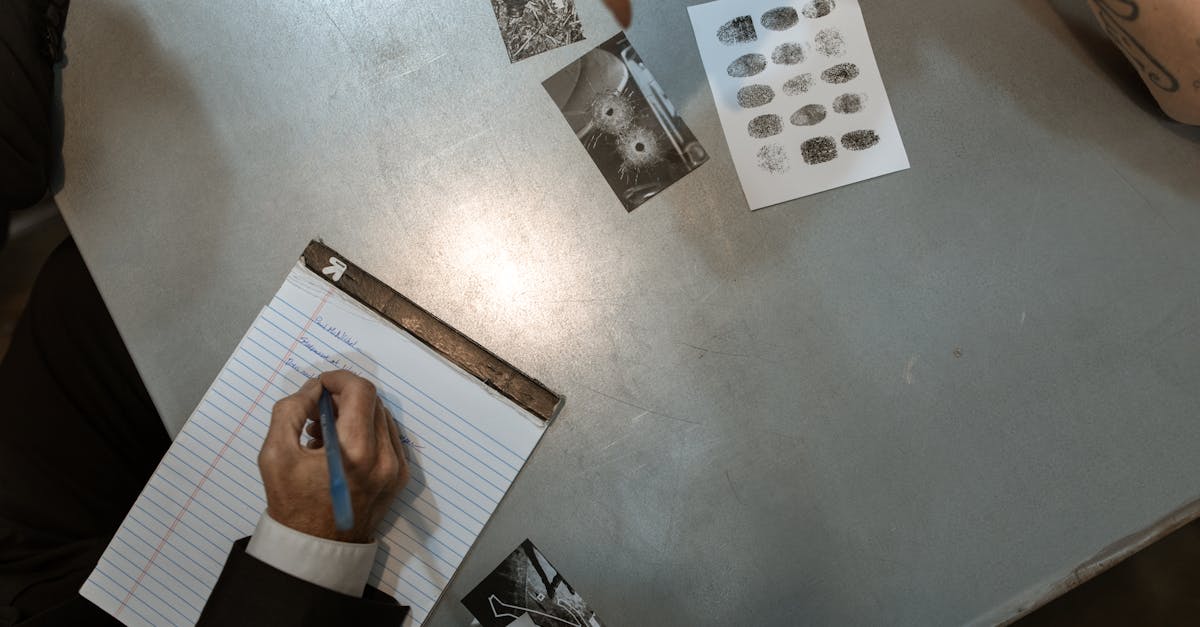
- Cab driver arrested for forging two BHK allotment orders
- Accused allegedly created fake documents to claim housing scheme benefits
- Police investigating possible links to wider forgery racket
Hyderabad police have arrested a cab driver for allegedly forging two BHK house allotment orders under a state housing scheme. The accused, whose name has not been officially released, was taken into custody after a complaint from housing officials who detected irregularities in the documents.
How the forgery came to light
According to sources, the forged allotment orders were submitted to claim possession of flats in a residential project. Housing department staff noticed discrepancies in the paperwork during routine verification and alerted the police.
A senior officer said the accused had prepared fake allotment letters, complete with forged signatures and official seals, to make them appear genuine. The documents were designed to bypass scrutiny and secure flats meant for eligible beneficiaries under the government's affordable housing programme.
Investigation underway
Police have registered a case under relevant sections of the Indian Penal Code, including cheating and forgery. The cab driver was produced before a local court and remanded to judicial custody.
Investigators are now probing whether the accused acted alone or was part of a larger network involved in selling forged housing documents. Officials have not yet confirmed if any housing department staff were complicit in the scheme.
Housing scheme under scanner
The incident has raised questions about the verification process for allotment orders under the two BHK scheme, which aims to provide affordable homes to economically weaker sections. Earlier this year, the state government had tightened documentation requirements after several cases of fake allotment letters surfaced in different districts.
Police have urged beneficiaries to verify their allotment status through official channels. They have also asked anyone with information about similar fraudulent activities to come forward.
What happens next
The accused remains in custody as police continue their investigation. Officials say a detailed report will be submitted to the court, and further arrests cannot be ruled out if evidence points to a wider conspiracy.
Authorities are also expected to review the housing department's internal checks to prevent such forgeries in the future. The case is a reminder for applicants to rely only on official communications from the government.