Kerala Rains: 8 Dead, 13 Injured, 8 Missing, CM Confirms
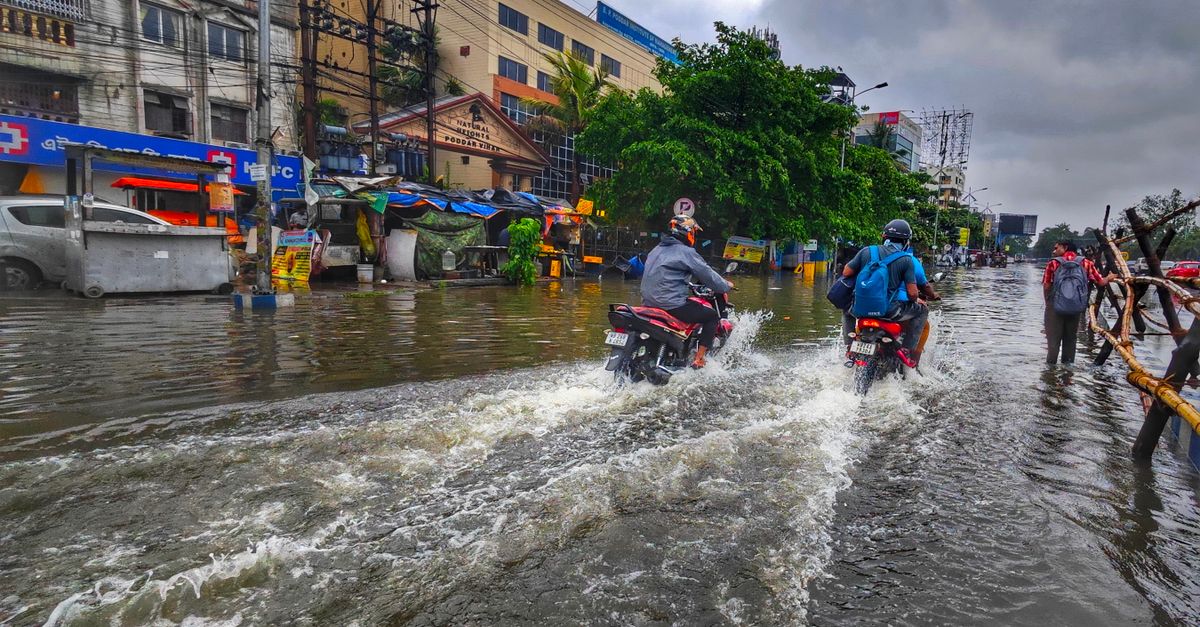
- Eight dead, 13 injured, and eight missing following heavy rains, as confirmed by Kerala CM.
- Nearly 5,800 people have been moved to relief camps across the state.
- Parts of Kerala received over 300 mm of rainfall on August 1, according to KSDMA.
- Rahul Gandhi expressed solidarity, saying 'Kerala stands united'.
Death Toll and Rescue Efforts
Eight people have died, 13 are injured, and eight remain missing after torrential rains triggered floods and landslides across Kerala, Chief Minister's office confirmed on Sunday. The state government has mobilised rescue teams to the worst-affected districts, though officials have not yet disclosed the exact locations of all casualties.
Nearly 5,800 people have been sheltered in relief camps set up across the state, according to the Kerala State Disaster Management Authority (KSDMA). The number is expected to rise as more areas become accessible.
Rainfall Extremes and Warnings
The KSDMA reported that parts of Kerala received over 300 mm of rainfall on August 1, a deluge that overwhelmed drainage systems and triggered flash floods. The India Meteorological Department had issued red alerts for several districts ahead of the downpour, but the intensity still caught many residents off guard.
Landslides have been reported in hilly terrains, cutting off roads and delaying relief operations. The state has deployed National Disaster Response Force (NDRF) teams, though their progress is hampered by relentless rain and unstable soil.
Political Response
Congress leader Rahul Gandhi, whose constituency Wayanad has been historically vulnerable to such calamities, offered his support, posting on social media: "Kerala stands united." His statement comes as the state battles its latest weather-related crisis.
Chief Minister Pinarayi Vijayan has reviewed the situation with district collectors and ordered all departments to prioritise rescue and relief. The opposition has urged the Centre to declare the event a national calamity, but no official decision has been announced.
Relief Camps and Public Advisory
Authorities have advised people in low-lying areas to move to safer locations, and fishing boats have been barred from venturing into the sea due to rough conditions. Schools in affected districts remain shut, and several train services have been cancelled.
Relief camps are providing food, drinking water, and medical aid, with local volunteers supplementing government efforts. However, concerns over waterborne diseases are rising as stagnant water pools in residential areas.
As the monsoon shows no sign of relenting, the state's disaster management machinery remains on high alert. With the death toll likely to climb and more missing persons to be traced, the coming days will test Kerala's resilience yet again.