US Backs Japan's Yen Rescue: Why Washington Is Intervening
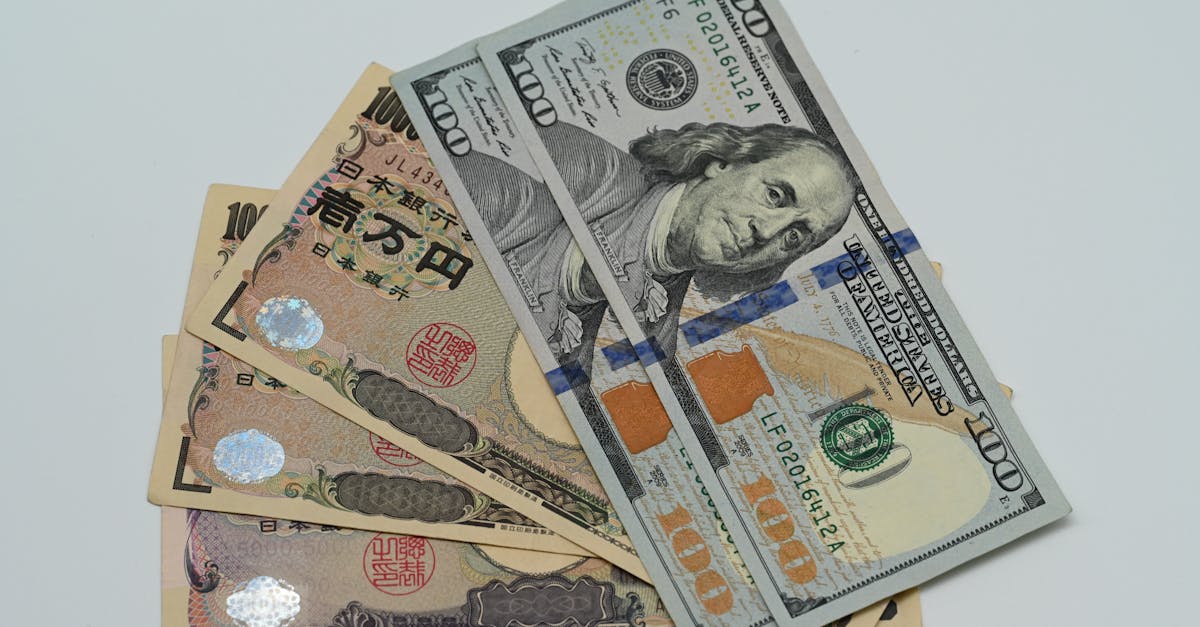
- US Treasury reportedly plans to buy $5-10 billion worth of yen in a historic intervention.
- Treasury has warned banks it might step into the dollar-yen exchange rate.
- Japan and US are coordinating efforts to address yen weakness, according to Japanese officials.
In an unusual show of transatlantic monetary solidarity, the United States has signaled its backing for Japan's efforts to prop up the yen, raising the prospect of a coordinated intervention in currency markets for the first time in decades. Reports suggest the US Treasury is preparing to buy between $5 billion and $10 billion worth of Japanese yen, a move that would mark a historic shift in Washington's traditional hands-off approach to exchange rates.
The Treasury's 'To-Do' List
According to exclusive reports, US Treasury Secretary Scott Bessent's internal "to-do" list includes a line item that has stunned currency traders: purchase $5-10 billion in yen. The figure, first reported by Reuters, would represent the first US-led intervention in the yen market since the 1990s, when Washington and Tokyo last joined forces to steady the currency.
The Treasury has also issued a quiet but firm warning to major banks that it stands ready to intervene in the dollar-yen exchange rate if necessary. That warning, reported by the Financial Times, has already begun to ripple through trading desks, with some dealers adjusting positions in anticipation of sudden official buying.
Why Now? The Yen's Plunge
The yen has been under relentless pressure for months, sliding to multi-decade lows against the dollar as the Bank of Japan kept interest rates ultra-low while the Federal Reserve pushed borrowing costs higher. A weak yen inflates import bills for Japan, squeezing households and businesses that rely on foreign energy and food, and complicates the central bank's efforts to nurture a stable recovery.
For Washington, the calculus is more nuanced. A disorderly yen slide could destabilize global financial markets, hurt American exporters competing with Japanese firms, and add to inflationary pressures in Asia's largest economies. By backing Tokyo's rescue mission, the US is effectively acknowledging that currency stability is a shared responsibility, not just Japan's problem.
Coordinated Messaging
Japanese Finance Minister Katayama is expected to say that Japan and the US are coordinating to curb yen weakness, according to Bloomberg. The coordination appears to extend beyond quiet diplomacy, with both governments publicly aligning their talking points to maximize market impact.
Analysts note that the US has historically been reluctant to intervene in currency markets unilaterally, preferring to rely on interest rate differentials or jawboning. But the sheer scale of the yen's decline - and its potential to trigger competitive devaluations across Asia - has forced a rethink in Washington.
What Intervention Would Look Like
If the Treasury follows through, it would likely sell dollars and buy yen in the open market, either directly or through the Federal Reserve's custodial accounts. Such a move would need to be sterilized to avoid injecting excess dollars into the banking system, a technical operation the Fed is well-equipped to handle.
The $5-10 billion range, while modest relative to the $600 billion-plus daily turnover in dollar-yen trading, is designed to send a signal rather than decisively shift the exchange rate. Tokyo has already spent tens of billions of yen in its own interventions over the past year, with limited success.
Risks and Skepticism
Not everyone is convinced the US will follow through. Currency intervention is fraught with risk: it can backfire if markets view it as a one-off, and it can strain diplomatic ties if allies perceive the US as manipulating the dollar. Some economists argue that without a fundamental shift in monetary policy - either a Fed rate cut or a Bank of Japan hike - any intervention will only provide temporary relief.
Still, the mere threat of coordinated action has already tempered speculative bets against the yen. Traders are now pricing in a higher chance of official buying, and the dollar-yen rate has pulled back from its recent highs.
What to Watch
The coming weeks will reveal whether the Treasury's warning translates into action. Investors should watch for any public confirmation from Bessent or the Treasury's official statement on exchange rate policy, as well as the Bank of Japan's next policy meeting. If both sides hold the line, the yen could find a firmer footing - but if the intervention fizzles, the currency's slide may resume with renewed force.