Bengaluru water crisis deepens as criminal leak drains supply
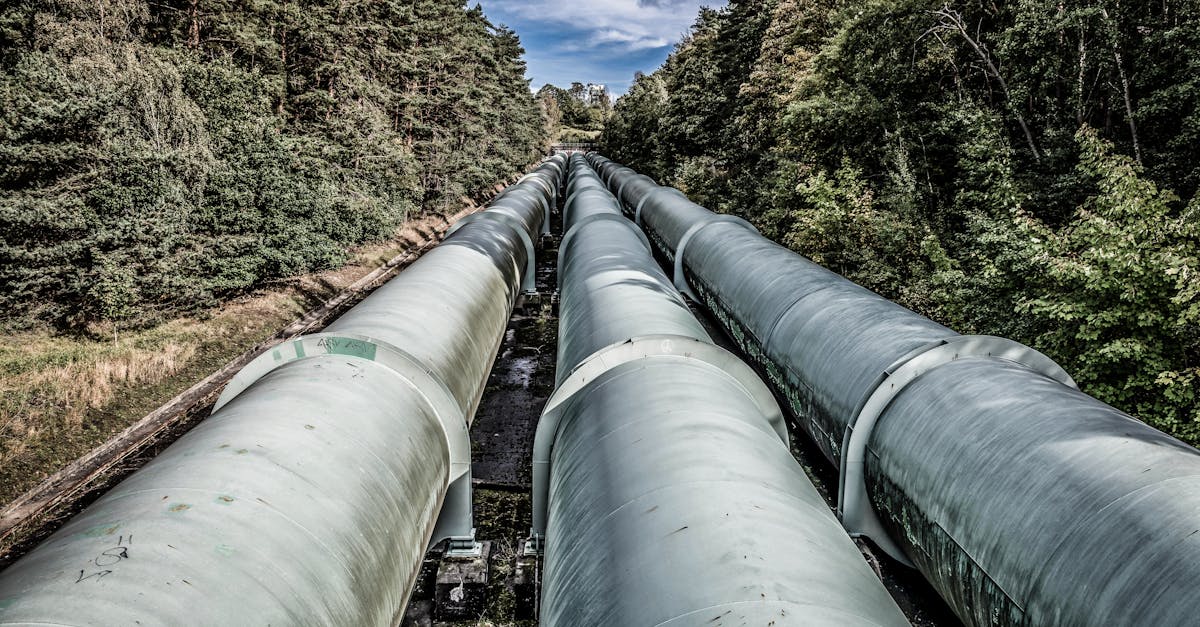
- City reels under severe water shortage amid summer months
- Criminal leak discovered in main pipeline wasting thousands of litres
- Officials scramble to fix breach and plug distribution gaps
City parched as pipeline bleeds
Bengaluru's water woes have taken a bizarre turn. On one hand, residents across several wards are staring at dry taps as the city grapples with a severe shortage. On the other, a criminal leak in a major supply line has been quietly draining thousands of litres every day, compounding the crisis.
The breach was detected during a routine inspection by Bangalore Water Supply and Sewerage Board (BWSSB) engineers, who were stunned to find that the leak had been deliberately created — a clear case of theft, not accident. The pipeline, which feeds several residential layouts in the eastern part of the city, had been tampered with, possibly to siphon off water for illegal tanker operations.
Officials have registered a case with the local police, but the damage is already done. With summer demand at its peak, every drop counts, and this loss has only deepened the misery for thousands of families.
Shortage, then and now
The shortage is not new. Bengaluru has struggled with water supply for years, relying heavily on the Cauvery river and groundwater extraction. But this year, the situation has turned critical. Several borewells have run dry, and the BWSSB has been forced to ration supply, with many areas receiving water only once every two days.
Residents in affected zones say they have been managing with tankers, but the cost has skyrocketed. A private tanker that cost Rs 800 a few months ago now fetches Rs 1,500, and even then, availability is patchy. The leak has only added insult to injury, wasting water that could have served at least a couple of hundred households.
"We are already struggling, and now this. It feels like someone is literally stealing from us," said a resident of KR Puram, one of the affected areas, speaking on condition of anonymity. The BWSSB has not yet confirmed the exact volume of water lost, but preliminary estimates suggest it runs into lakhs of litres over the past few weeks.
The criminal angle
What makes this leak "criminal" is not just the scale of loss but the method. Investigators believe the pipe was deliberately cut and fitted with a valve, allowing water to be diverted undetected. Such setups are often used by organised tanker mafias, who sell the stolen water at premium rates during shortages.
Police have launched a search for the culprits, but tracking them down is tough. The pipeline runs through a relatively isolated stretch, and the tampering was done with professional precision. "This is not the work of amateurs," said a senior police officer, requesting not to be named. "It looks like an inside job, or at least someone with detailed knowledge of the network."
The BWSSB has announced a reward for information leading to arrests, but officials admit that such leaks are hard to prevent without better surveillance and community vigilance.
Infrastructure under strain
The incident has reignited debates about Bengaluru's ageing water infrastructure. Much of the pipeline network is decades old, and leaks — accidental or otherwise — are common. But the city's rapid expansion has put enormous pressure on the system, and the BWSSB has struggled to keep up.
In the past year alone, the board has reported over 200 instances of pipeline damage, many caused by construction work or theft. Yet, only a fraction of these result in criminal cases, reflecting the challenge of policing a sprawling network that runs under roads, parks, and even private properties.
Water experts argue that the solution lies in modernising the network with smart sensors that can detect pressure drops instantly, alerting authorities to leaks in real time. But such upgrades require significant investment, which the state government has been slow to commit.
What lies ahead
For now, the BWSSB is working to repair the damaged pipeline, with teams on site since Monday. The board has also promised to increase water tanker frequency in the affected areas until supply is restored. But residents remain wary, knowing that a single leak, criminal or not, can disrupt their lives for days.
As the city waits for the monsoon to ease the pressure, the focus will be on how quickly the system can be patched up — and whether the authorities can prevent the next leak from happening. For Bengaluru, the question is not just about fixing pipes, but about securing a resource that is becoming scarcer by the day.