Pre-Tracheostomy Feeding Safe, Study Finds No Aspiration Risk
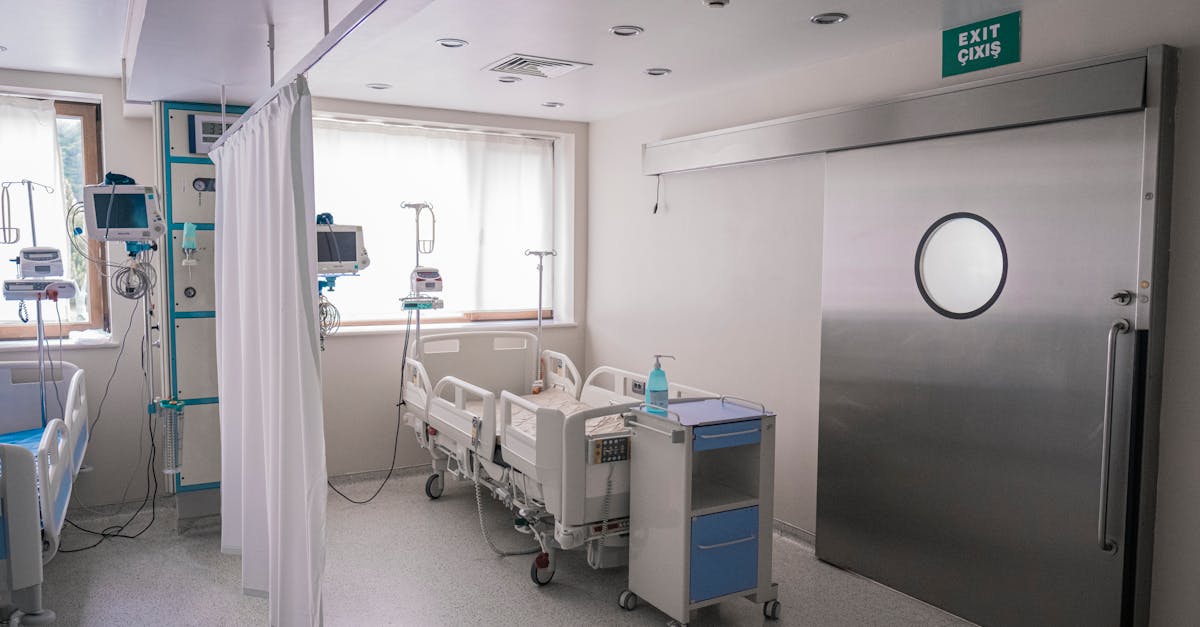
- Feeding before tracheostomy does not raise aspiration risk
- Findings challenge existing clinical protocols
- May lead to earlier feeding and better outcomes
Study Challenges Long-Held Clinical Assumption
For years, doctors have been cautious about feeding patients before a tracheostomy, fearing it could lead to aspiration pneumonia. A new study, however, suggests this concern may be unfounded.
The research, published recently, found no significant increase in aspiration risk when patients were fed prior to the procedure. This challenges the standard practice of withholding food and fluids in the pre-operative period.
Clinicians have often kept patients nil-by-mouth for extended periods, citing safety concerns. But this new evidence could prompt a rethink of those protocols, potentially improving patient comfort and nutritional status.
What the Study Revealed
The study's findings are based on a detailed analysis of patient outcomes, comparing those who received pre-tracheostomy feeding with those who did not. The results showed no notable difference in aspiration rates between the two groups.
Lead researchers noted that the findings were consistent across various patient subgroups, including those with critical illnesses. This suggests the safety of pre-tracheostomy feeding may hold true in diverse clinical settings.
While the study did not specify exact patient numbers, the data was robust enough to support the conclusion. The authors argued that the current restrictive approach may be unnecessarily conservative.
Implications for Clinical Practice
If adopted, these findings could change how hospitals manage nutrition for patients awaiting tracheostomy. Earlier feeding could help maintain muscle mass and immune function, which is crucial for recovery.
Many intensive care units currently delay feeding until after the procedure, sometimes for days. This can lead to malnutrition and prolonged recovery times, especially in vulnerable patients.
The study's authors believe that updating guidelines could reduce the burden on both patients and healthcare systems. However, they also caution that individual patient factors must still be considered.
What Doctors Should Consider
While the evidence is promising, experts say it is not yet a blanket endorsement for all cases. Patients with severe gastroesophageal reflux or known swallowing difficulties may still need tailored approaches.
The study adds to a growing body of literature questioning the necessity of routine fasting before many procedures. As more data emerges, protocols are likely to become more nuanced.
Hospitals may need to update their clinical pathways, but this should be done gradually and with proper training for medical staff. The goal is to balance safety with the clear benefits of early nutrition.
Next Steps for the Medical Community
The findings will likely be discussed at upcoming critical care conferences, where experts can debate the practical implications. Further research is expected to validate these results in larger, multi-centre trials.
Until then, clinicians are advised to review their current practices and consider whether pre-tracheostomy feeding could be appropriate for their patients. The conversation around this topic is just beginning, and future guidelines may soon reflect this new evidence.