SBI, HSBC, ICICI lead India's overseas deposit push, RBI data shows
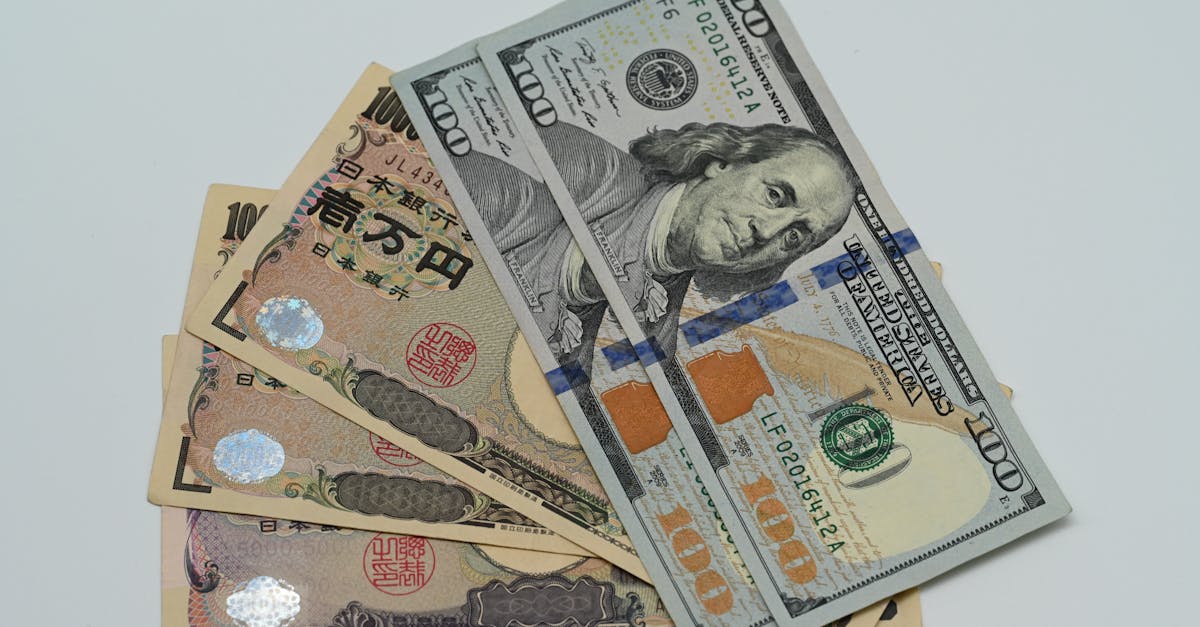
- SBI, HSBC and ICICI are the top mobilisers of overseas deposits under RBI's forex swap facility.
- RBI data shows $40.82 billion was raised via FCNR(B) deposits and swaps till July 31.
- Despite $49 billion in foreign inflows, the rupee has not strengthened as expected.
- The central bank's swap window offers banks a cost-effective way to bring dollars home.
State Bank of India, HSBC and ICICI Bank have emerged as the leading mobilisers of foreign currency deposits in India's latest overseas deposit drive, according to data released by the Reserve Bank of India. The three lenders account for a significant chunk of the $40.82 billion raised under the central bank's forex swap facility as of July 31.
The programme, which allows banks to swap foreign currency non-resident (bank) deposits — or FCNR(B) — into rupees at a concessional rate, was opened in late June. It is part of a broader effort to shore up India's foreign exchange reserves and attract dollar inflows at a time when global markets remain volatile.
How the swap window works
Under the facility, banks can raise fresh FCNR(B) deposits from non-resident Indians and then swap those dollars with the RBI for rupees, eliminating their own currency risk. The central bank, in turn, absorbs the exchange rate exposure, making the product attractive to lenders and depositors alike.
Data compiled from the RBI's weekly statements suggests that SBI, HSBC and ICICI have been the most aggressive in tapping this window. While the central bank does not disclose bank-wise break-ups, market estimates based on deposit growth and treasury operations point to these three institutions leading the pack.
The response has been robust. Total mobilisation under the swap facility crossed $40.82 billion by July 31, the RBI said in a statement. That is a substantial sum by any measure, and it has helped push India's overall foreign currency assets to record levels.
Why the rupee hasn't rallied
Despite the flood of dollars — total foreign inflows into debt and equity markets have touched roughly $49 billion this year — the rupee has remained stubbornly range-bound. It continues to trade near 83.50 to the dollar, a level that has held for months.
Economists say the central bank has been actively absorbing the dollars to prevent an appreciation that could hurt exports. By buying dollars and selling rupees, the RBI has been able to keep the exchange rate stable, but this intervention has also limited the impact of the inflows on the currency's value.
"The RBI is clearly prioritising stability over strength," said a senior treasury official at a private bank, who did not wish to be named. "The swap window is a clever way to bring in dollars without triggering a sharp rupee rally."
What the inflows mean for reserves
India's foreign exchange reserves have climbed to over $690 billion, aided by the recent deposit inflows. This provides a comfortable cushion against external shocks and helps fund the country's current account deficit, which has widened due to higher oil and gold imports.
The FCNR(B) route is not new. It was used successfully in 2013, when the RBI introduced a similar swap facility to defend the rupee during the taper tantrum. Back then, the window raised about $34 billion in a matter of weeks.
This time, the scale is larger. The government has set an ambitious target of $100 billion in total dollar inflows by the end of the fiscal year, and the RBI's swap facility is expected to be a key contributor. Banks have until September 30 to tap the window, and industry insiders expect the final tally to be significantly higher than the current figure.
Banks' appetite for foreign deposits
SBI, with its vast branch network and strong NRI relationships, has been the natural leader. HSBC, which has a large overseas client base, has also moved aggressively, offering competitive rates on FCNR(B) deposits. ICICI Bank, known for its retail forex products, has matched the pace.
Smaller banks and foreign lenders operating in India have also participated, but the trio's dominance reflects their ability to source dollars cheaply and their confidence in the swap mechanism.
The RBI has capped the swap facility at $50 billion, so there is still headroom for more deposits. Banks have been told to ensure that the funds raised are used for fresh dollar assets, such as loans to exporters or overseas branches, to avoid creating an arbitrage loop.
What to watch next
The window closes at the end of September, and all eyes will be on whether the RBI extends it or tweaks the terms. Also to watch is the rupee's trajectory once the inflows taper off and the central bank's intervention becomes less frequent. For now, the overseas deposit drive has given India a solid war chest, but whether it can translate into a stronger currency remains an open question.