Science Names HIV Prevention Drug Its 2024 Breakthrough of the Year
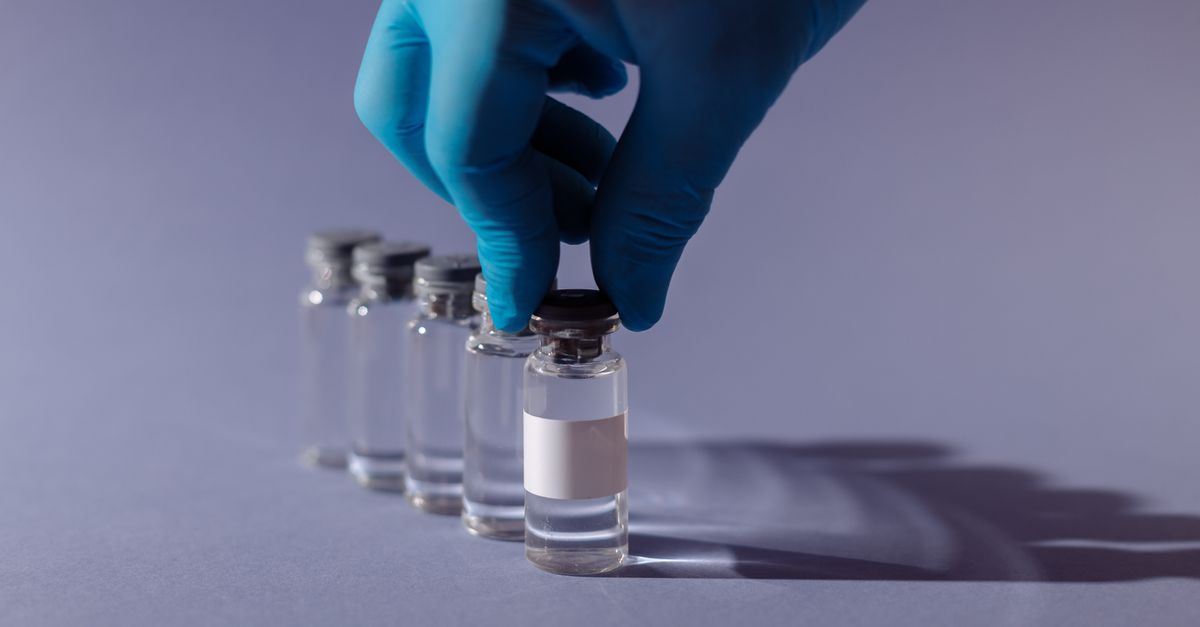
- Science named lenacapavir, a twice-yearly injectable PrEP, as its 2024 Breakthrough of the Year.
- The drug showed 100% efficacy in a trial among African women and adolescents; a second trial reported 99.9% protection.
- Experts call it a potential game-changer for global HIV prevention, though rollout and access remain key challenges.
A landmark choice
Science, one of the world's most prestigious research journals, has named lenacapavir — a twice-yearly injectable drug for HIV prevention — as its 2024 Breakthrough of the Year. The announcement, made on 12 December, highlights a treatment that could fundamentally change how the world fights new HIV infections.
The drug, developed by Gilead Sciences, is a capsid inhibitor that blocks the HIV virus's protein shell, disrupting multiple stages of its life cycle. Administered as an injection every six months, it offers a stark contrast to daily oral PrEP pills, which many people struggle to take consistently.
The evidence behind the hype
The breakthrough rests on two pivotal clinical trials. In one study conducted among cisgender women in sub-Saharan Africa, lenacapavir achieved 100% efficacy — no infections were recorded among participants who received the drug. A second trial, involving a broader population including men who have sex with men, reported a 99.9% reduction in HIV acquisition compared to background incidence rates.
These results, published earlier this year, were so striking that the trials were stopped early so all participants could receive the injection. Researchers involved in the studies described the outcomes as unprecedented in the field of HIV prevention.
Why it matters
The global HIV prevention toolkit has long relied on daily pills, condoms, and more recently, a monthly vaginal ring. But adherence remains a stubborn problem, particularly among young women in high-burden regions. A twice-yearly injection removes the need for daily discipline, offering a discreet and highly effective option.
UNAIDS estimates that there were 1.3 million new HIV infections in 2023 — far above the global target of fewer than 370,000 by 2025. Lenacapavir's long-acting profile could be instrumental in closing that gap, especially in regions where stigma or logistical hurdles make daily prevention impractical.
Cautious optimism and hurdles ahead
Despite the excitement, experts caution that the drug's real-world impact will depend on affordability and access. Gilead has announced tiered pricing for low-income countries and has licensed generic production for 120 developing nations, but rollout will take time. Regulatory approvals are still pending in many countries, and health systems need to be equipped to deliver injections safely.
There is also the question of viral resistance. While lenacapavir appears highly potent, rare cases of resistance have been observed in treatment settings, and monitoring will be essential as the drug becomes more widely used.
What this means for India
India, which has one of the largest HIV populations in the world — an estimated 2.4 million people living with the virus — stands to benefit significantly. The country's National AIDS Control Organisation has been exploring long-acting prevention options, and Indian generic manufacturers are expected to be key players in producing affordable versions of lenacapavir.
Clinical trials for the drug are underway in Indian populations, and public health officials have expressed interest in incorporating it into national prevention programmes once approved. The challenge will be ensuring equitable access across urban and rural settings.
Looking ahead, the focus now shifts to regulatory reviews, pricing negotiations, and the logistics of mass delivery. If those pieces fall into place, lenacapavir could mark a turning point in the four-decade battle against HIV — turning the dream of an AIDS-free generation from aspiration into a realistic goal.