Kejriwal Demands Large-Scale Protests Against Centre's E20 Petrol Policy
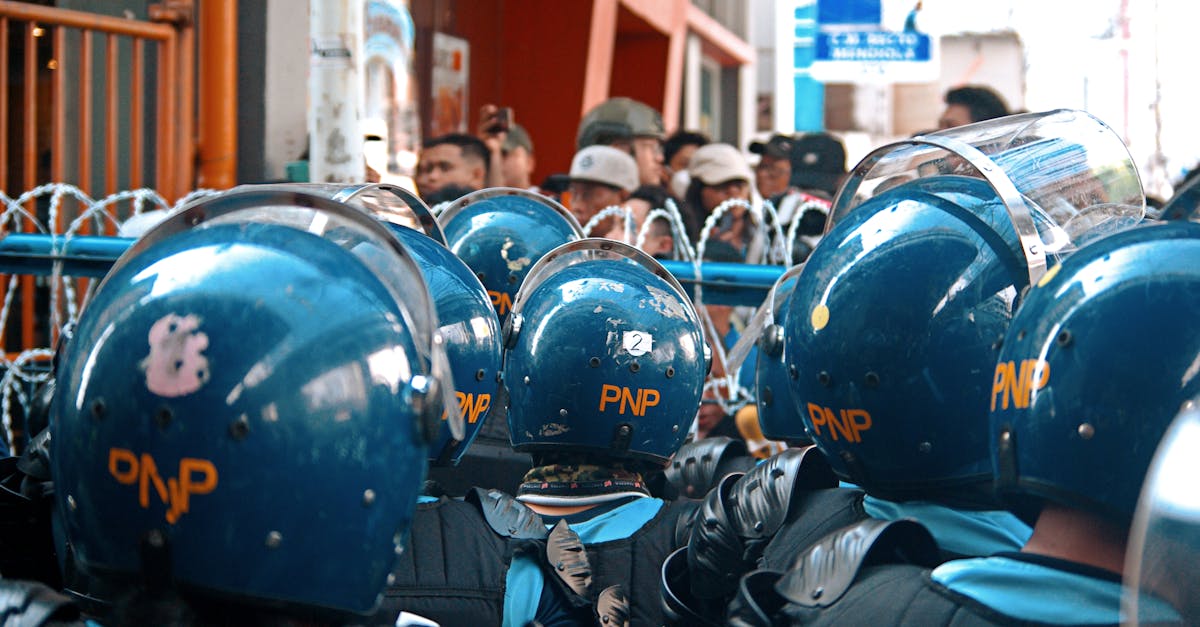
- Kejriwal and Sisodia led a march to PM Modi's residence against the E20 petrol policy
- Delhi Police stopped the protest, prompting BJP to accuse AAP of unsubstantiated claims
- Kejriwal called for large-scale protests against the policy, saying 'we are not terrorists'
March to PM's Residence Halted
Arvind Kejriwal on Tuesday demanded large-scale protests against the Centre's E20 petrol policy, a day after Delhi Police stopped a march led by the Aam Aadmi Party (AAP) chief and deputy chief minister Manish Sisodia to Prime Minister Narendra Modi's residence.
The protest was aimed at pressuring the central government to roll back the E20 fuel mandate, which mandates blending 20 per cent ethanol in petrol by 2025. Kejriwal has argued that the policy will hurt consumers and farmers alike, pushing up food prices and fuel costs.
However, the march was halted by police at several points, with officers citing security concerns and prohibitory orders. The AAP leaders were detained briefly before being released, but the incident has escalated the political slugfest over the fuel policy.
'We Are Not Terrorists'
Addressing supporters after the police action, Kejriwal said, "We are not terrorists, we are peaceful protesters demanding answers on a policy that will hit every household. The Centre must listen to the people."
He called for a sustained campaign of protests across the country, arguing that only large-scale public pressure could force the government to reconsider the E20 mandate. "This is not about politics, it is about the future of our children and the burden on the common man," he added.
Kejriwal's remarks come as the AAP seeks to position itself as a champion of consumer interests ahead of upcoming state elections. The party has also questioned the timing of the policy, noting that ethanol blending could impact food security.
BJP Hits Back
The Bharatiya Janata Party (BJP) dismissed Kejriwal's protest as a political stunt. Party spokespersons accused the AAP chief of making unsubstantiated claims about the E20 fuel policy and trying to "revive failed politics" in the national capital.
"Instead of spreading misinformation, Kejriwal should study the policy. Ethanol blending is a global best practice and will reduce India's oil import bill," a BJP leader said, speaking on condition of anonymity.
The ruling party also pointed to the AAP's own record on fuel pricing in Delhi, questioning whether the state government had passed on the benefits of central excise cuts to consumers. The exchange has turned the E20 issue into a fresh battleground between the Centre and the Delhi government.
What Is the E20 Policy?
The E20 policy, announced by the central government, aims to blend 20 per cent ethanol with petrol by 2025-26, up from the current 10 per cent. The move is part of India's efforts to cut carbon emissions and reduce dependence on imported crude oil.
Supporters argue that the policy will boost farmers' incomes by creating a steady demand for sugarcane and other biofuel feedstocks. Critics, however, warn that it could lead to water scarcity, soil degradation, and higher food prices, especially if sugar production falls short.
The AAP has seized on these concerns, accusing the Centre of rushing the rollout without adequate consultation with states or stakeholders. Kejriwal has also demanded that the government publish a detailed impact assessment before implementing the mandate.
Next Steps
The Delhi Police have not yet confirmed whether any formal charges will be filed against the AAP leaders for the march. Meanwhile, Kejriwal has announced plans for more protests in the coming weeks, including a possible nationwide campaign.
All eyes will now be on the central government's response — whether it will agree to a review of the E20 timeline or dig in its heels. The coming days may also see fresh legal challenges if the AAP decides to approach the courts over the police action.