MRI Models Predict Early Liver Cancer Recurrence Post-Surgery
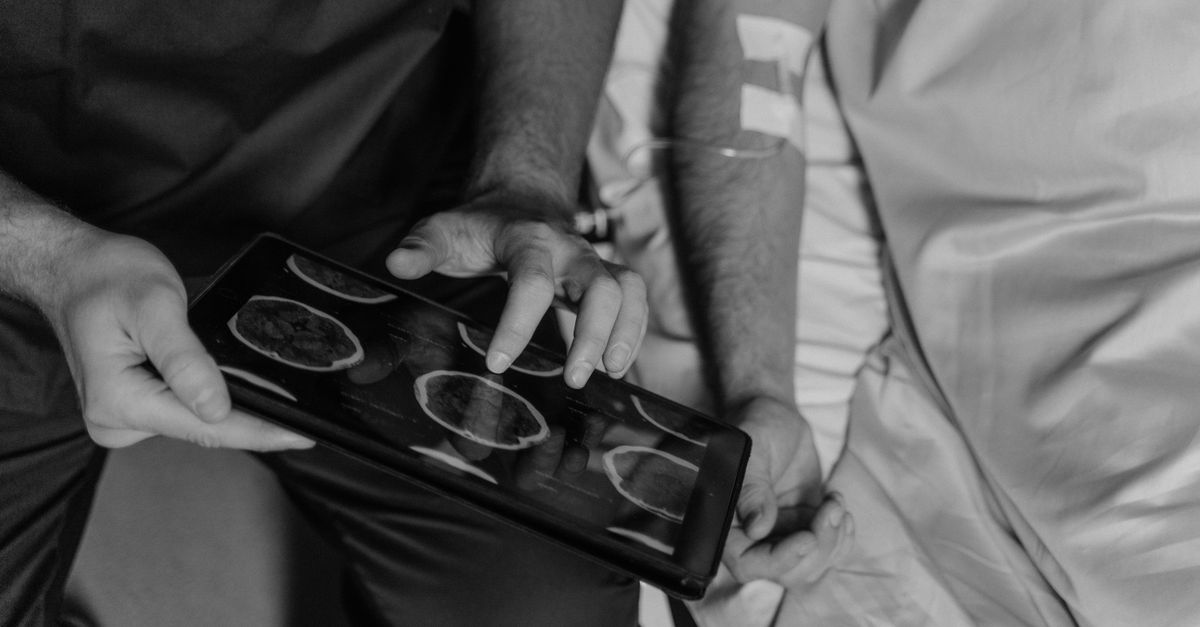
- New MRI-based models can predict very early HCC recurrence after resection.
- Developed by Singapore researchers, the tool aims to improve post-surgery monitoring.
- Predictive accuracy could help tailor follow-up and treatment strategies.
Breakthrough in Liver Cancer Prognosis
Singapore researchers have developed a novel tool that uses MRI data to predict the likelihood of very early recurrence of hepatocellular carcinoma (HCC) following surgical resection. The findings, reported by Medscape and other outlets, mark a significant step in personalising post-operative care for liver cancer patients.
Hepatocellular carcinoma is the most common type of primary liver cancer, and recurrence after surgery remains a major challenge. Current surveillance methods often detect relapse only when it becomes clinically apparent, missing a critical window for early intervention.
How the Model Works
The new predictive models rely on MRI-based imaging features, which are routinely acquired before surgery. By analysing specific radiological characteristics of the tumour and surrounding liver tissue, the models can estimate the risk of very early recurrence—typically defined as occurring within months after resection.
This approach moves beyond traditional staging systems, which largely focus on tumour size and number. The MRI-based tool incorporates subtle imaging biomarkers that may reflect aggressive tumour biology or microvascular invasion, factors known to drive early relapse.
Clinical Implications
For clinicians, the ability to stratify patients by recurrence risk could transform follow-up protocols. High-risk patients might receive more frequent imaging or be considered for adjuvant therapies, while low-risk patients could avoid unnecessary interventions.
The model's accuracy, as highlighted in the reports, suggests it could be integrated into routine practice without adding significant cost or complexity, since MRI is already standard in HCC management.
What This Means for Patients
For patients undergoing resection, knowing their individual risk profile can help set realistic expectations and guide shared decision-making. It also opens the door to more aggressive surveillance in those who need it most, potentially catching recurrences at a treatable stage.
However, the researchers caution that these models are not yet a replacement for clinical judgment. Validation in larger, multi-centre cohorts will be essential before widespread adoption.
Looking Ahead
The Singapore team's work is part of a broader push toward precision oncology, where imaging and molecular data converge to refine prognosis. As these models are refined and tested across diverse populations, they could become a standard component of HCC care.
Next steps will likely involve prospective trials to confirm the models' real-world utility and to explore whether integrating them with liquid biopsy markers further improves predictive power. For now, the tool offers a promising glimpse into a future where liver cancer recurrence is anticipated, not just detected.