NASA Navigation Payload Reaches Intuitive Machines' Lunar Relay Satellite
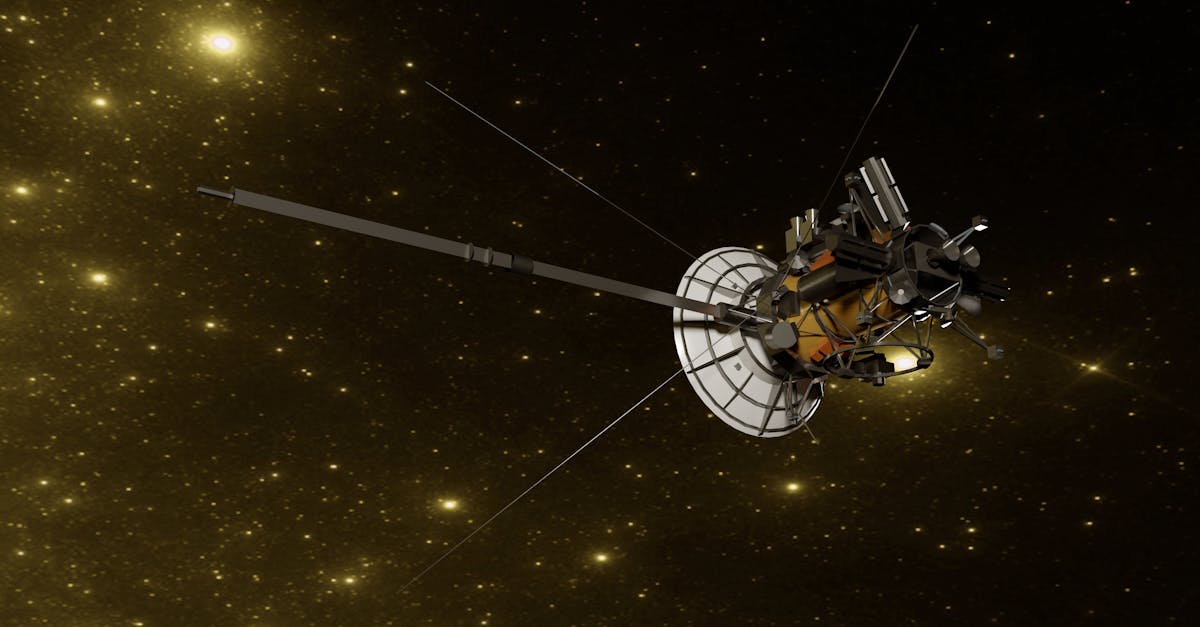
- NASA's navigation payload has reached Intuitive Machines' first lunar relay satellite.
- The payload is designed to support precise positioning and timing for future Moon missions.
- This milestone advances NASA's LunaNet concept for lunar communications and navigation.
NASA's navigation payload has arrived at Intuitive Machines' first lunar relay satellite, a key step in building a GPS-like system for the Moon. The payload, designed to provide precise positioning and timing, will help future missions navigate the lunar surface with greater accuracy.
Intuitive Machines, the Houston-based company known for its lunar landers, is expanding its role to include communications relay services. The satellite, currently in transit or already in lunar orbit, is part of a broader effort to support NASA's Artemis program and other lunar initiatives.
What the Payload Does
The navigation payload is part of NASA's Lunar Communications Relay and Navigation Systems (LCRNS) project. It is designed to demonstrate technologies that could enable lunar spacecraft and rovers to determine their location and velocity without relying on Earth-based tracking.
This capability is crucial for future missions that will operate on the far side of the Moon or in polar regions where direct communication with Earth is limited. The payload will test signals that mimic GPS, allowing lunar vehicles to compute their position in real time.
Why Lunar Navigation Matters
Current lunar missions rely on deep space networks and manual calculations, which can be slow and imprecise. A dedicated lunar navigation system would provide continuous, accurate data, reducing the risk of landing errors and enabling more complex surface operations.
NASA's approach, called LunaNet, envisions a network of relay satellites and ground stations that provide communications, navigation, and science services. This mission with Intuitive Machines is an early building block of that architecture.
Intuitive Machines' Growing Lunar Role
Intuitive Machines made history with its Odysseus lander, the first commercial spacecraft to soft-land on the Moon. The company is now leveraging that experience to offer infrastructure services, including data relay and navigation, to NASA and other customers.
The relay satellite is part of a planned constellation that could eventually provide continuous coverage of the lunar south pole, a region of high interest due to its water ice deposits.
Timeline and Next Steps
Officials have not yet confirmed the exact timeline for the satellite's full operational status. The payload will undergo testing in space to validate its performance under real lunar conditions.
Data from these tests will inform the design of future navigation payloads and help NASA decide how to scale up the system.
As more commercial players enter the lunar market, reliable navigation will become as essential as fuel and power. This milestone, though technical, brings that future a step closer.
Watch for updates from Intuitive Machines and NASA on the payload's checkout and initial test results in the coming weeks.