Supreme Court Extends Third-Party Insurance Cover for New Cars, Bikes
- SC increases third-party insurance tenure for new cars to 4 years, two-wheelers to 6 years.
- Court asks Centre to launch pilot project for 'no insurance, no fuel' at petrol pumps.
- Over 16.54 crore vehicles in India are uninsured, prompting the court's intervention.
Supreme Court Mandates Longer Third-Party Cover
The Supreme Court on Tuesday directed that third-party insurance for new cars be extended to four years and for two-wheelers to six years, up from the current three and five years respectively. The order aims to reduce the number of uninsured vehicles on Indian roads, a persistent safety and legal concern.
A bench headed by the Chief Justice observed that long-term insurance would ensure continuous coverage and ease the burden on vehicle owners who often let policies lapse. The court's directive applies to all new vehicles sold after the order, though the exact date of implementation will be specified by the government.
'No Insurance, No Fuel' Pilot Project
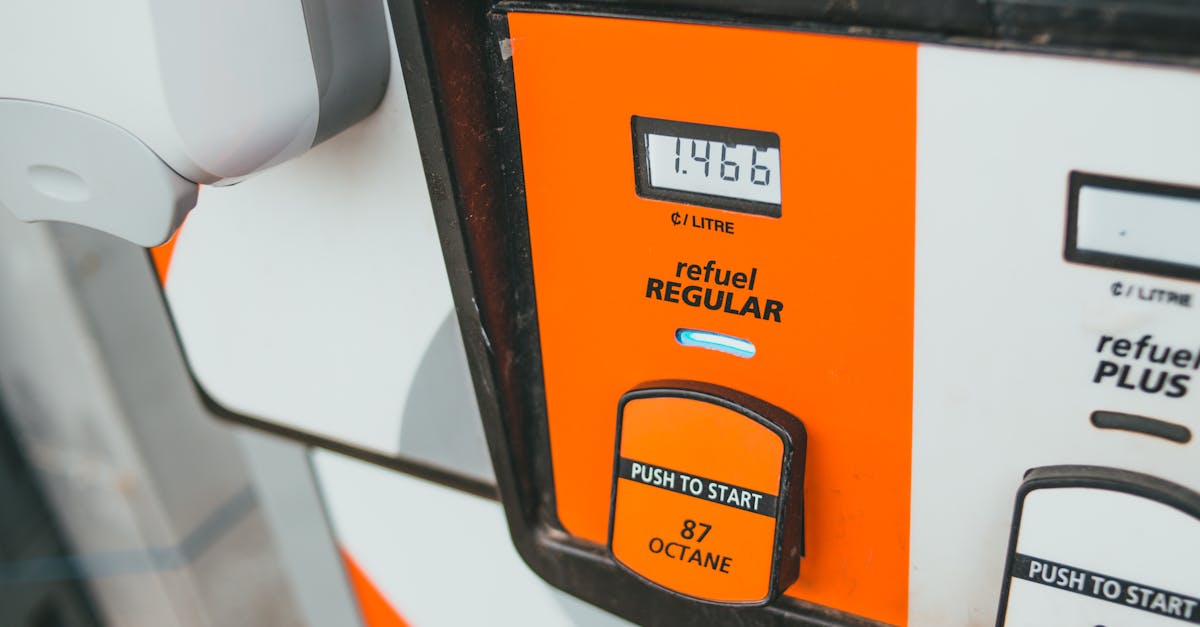
In a separate but related move, the court asked the Centre to prepare a pilot project for a 'no insurance, no fuel' scheme, under which petrol pumps could refuse to refuel vehicles without valid insurance. The proposal, first floated in earlier hearings, is intended to create a strong incentive for compliance.
The court flagged that over 16.54 crore vehicles in the country are currently uninsured, a figure that underscores the scale of the problem. The pilot project would be launched in select districts or states to test feasibility before a nationwide rollout.
Why the Court Stepped In
Third-party insurance is mandatory under the Motor Vehicles Act, yet enforcement remains weak. The court noted that lapsed policies often leave accident victims without compensation, defeating the purpose of the law. Longer cover periods for new vehicles, the bench reasoned, would reduce the window of vulnerability.
The Centre has been asked to respond with a concrete plan within a specified timeframe, including details on how petrol pumps would verify insurance status and what penalties might apply for non-compliance.
Industry and Consumer Impact
Automobile manufacturers and insurers are expected to adjust their offerings to align with the new tenure. For buyers, the extended cover means higher upfront premiums but lower annual renewal hassles. Two-wheeler owners, who constitute the bulk of uninsured vehicles, may see the most significant change.
Legal experts say the directive could also push insurance companies to innovate with bundled policies. However, the court has not specified whether the extended cover will apply retrospectively to vehicles already on the road.
The government's response to the pilot project will be crucial in determining how quickly the 'no insurance, no fuel' rule becomes a reality. All eyes are now on the next hearing, where the Centre is expected to outline its roadmap.