ISRO's Next Frontier: Where Astronauts Head After Gaganyaan
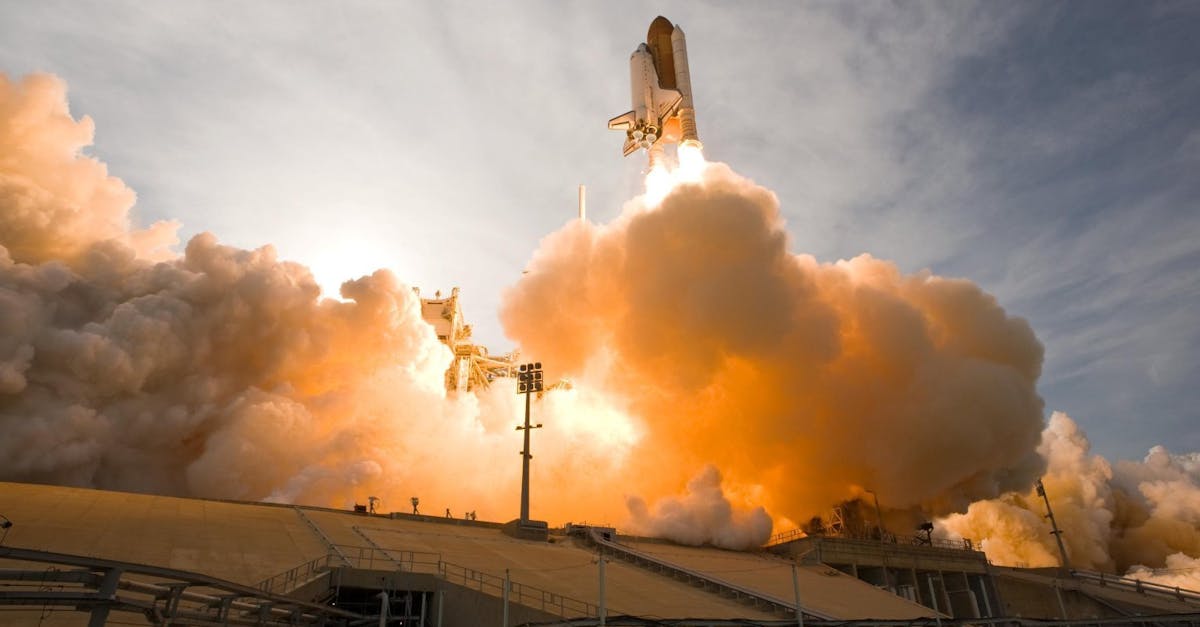
- ISRO prepares for Gaganyaan, India's first crewed space mission, targeted for launch next year.
- Following Gaganyaan, ISRO plans a Bharatiya Antariksha Station by 2035 and a crewed lunar landing by 2040.
- International collaborations and private industry partnerships are key to expanding India's human spaceflight capabilities.
Gaganyaan: The Gateway
India's human spaceflight programme is at a pivotal moment. With the Gaganyaan mission slated for launch next year, the Indian Space Research Organisation (ISRO) is preparing to send its first astronauts into orbit. The four-member crew, selected from the Indian Air Force's test pilot corps, has been undergoing rigorous training in Russia and India.
The mission, if successful, will make India the fourth nation to independently send humans to space. But for ISRO, Gaganyaan is not the finish line—it is the starting point.
Beyond Low Earth Orbit
ISRO's roadmap extends well beyond the initial crewed flight. The agency has outlined plans for a sustained human presence in space, including the establishment of the Bharatiya Antariksha Station, an Indian space station, by 2035. This orbital outpost would serve as a platform for microgravity research, technology demonstrations, and possibly deep-space mission staging.
Further down the line, ISRO aims to land an Indian astronaut on the Moon by 2040. While no firm timeline has been officially confirmed, the ambition signals a clear shift from demonstration missions to long-term capability building.
Challenges Ahead
These ambitions come with formidable technical hurdles. Crewed lunar missions require heavy-lift launch vehicles, advanced life-support systems, and safe re-entry and landing capabilities—none of which ISRO has yet fully developed. The Gaganyaan mission itself has faced delays due to the pandemic and technical setbacks, underscoring the complexity of human-rated spaceflight.
Budgetary constraints and the need for skilled manpower remain pressing concerns. ISRO's annual budget, though growing, is a fraction of NASA's, and the agency must prioritise among competing programmes like Chandrayaan and Mangalyaan.
Collaborations and Private Players
To bridge these gaps, ISRO is increasingly turning to international partnerships and the private sector. Agreements with NASA and other space agencies could provide access to critical technologies and docking infrastructure. Meanwhile, Indian start-ups are being roped in to develop everything from astronaut training simulators to specialised hardware.
Industry observers note that the success of these collaborations will be crucial. Private firms are expected to handle routine launch services and satellite manufacturing, freeing ISRO to focus on cutting-edge human spaceflight and exploration.
What Lies Ahead
As Gaganyaan's launch window approaches, all eyes will be on the crew's final preparations and the reliability of the human-rated launch vehicle. A successful mission would not only bolster national pride but also open the door to a flurry of follow-on activities—space station module launches, rendezvous experiments, and maybe even a crewed lunar flyby.
The next few years will reveal whether ISRO can translate its proven robotic exploration successes into a credible human spaceflight programme. For now, the roadmap is ambitious, the challenges are real, and the world is watching.