WHO urges global support as DR Congo faces worst Bundibugyo Ebola outbreak
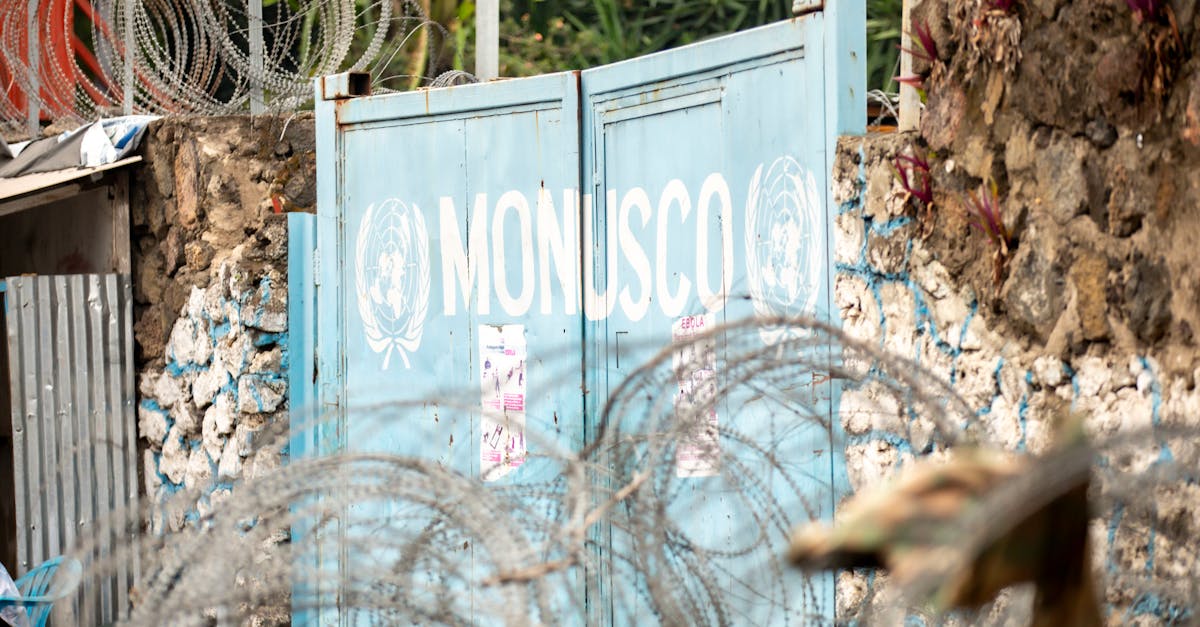
- WHO has issued an urgent call for more international support to tackle the Ebola outbreak in DR Congo.
- The outbreak is caused by the Bundibugyo strain and is the worst ever recorded in the country.
- Fear of Ebola is driving pregnant women away from hospitals, leading to a rise in maternal deaths.
- Logistics and emergency response efforts are ongoing, with updates from organizations like LTC and ReliefWeb.
WHO sounds alarm over DR Congo Ebola outbreak
The World Health Organization (WHO) has issued an urgent appeal for greater international support to combat the Ebola outbreak in the Democratic Republic of the Congo (DRC). The call comes as the country grapples with what is now being described as the worst-ever outbreak of the Bundibugyo strain of the virus.
According to reports from the BBC, the WHO has confirmed that the current outbreak, caused by the Bundibugyo virus, is the most severe of its kind in the DRC's history. The strain, which was first identified in Uganda in 2007, is less common than the Zaire strain but remains highly dangerous, with a fatality rate that can reach 40 percent.
Pregnant women avoiding hospitals
One of the most alarming consequences of the outbreak is its impact on maternal health. Reports from NDTV indicate that fear of contracting Ebola is driving pregnant women away from hospitals, leading to a rise in deaths among both mothers and newborns. Health workers on the ground say that many women are opting to deliver at home or with unskilled attendants, rather than risk exposure to the virus in overcrowded health facilities.
This avoidance of hospitals is creating a secondary health crisis, as routine medical services are being disrupted. Local health officials are struggling to reassure communities that hospitals are safe, even as they implement strict infection control measures.
Logistics and emergency response
The scale of the outbreak has also highlighted logistical challenges. ReliefWeb's updates on the DRC Ebola Emergency Response, covering the period from 20 to 26 July 2026, detail the complex supply chain issues facing responders. From transporting vaccines and protective equipment to reaching remote villages, the operation requires significant coordination and resources.
Organizations like LTC (Logistics Technical Coordination) are working to streamline the delivery of essential supplies, but gaps remain. The WHO's call for support is aimed at filling these gaps, particularly in the areas of manpower, funding, and medical supplies.
Global response needed
The WHO's appeal is a reminder that Ebola outbreaks are not just regional crises but global health threats. In a statement, the agency emphasized that without additional support, the outbreak could spread beyond the DRC's borders, affecting neighboring countries.
International partners, including African Union member states and global health NGOs, are being urged to step up their contributions. The WHO has also stressed the importance of community engagement, as misinformation and fear continue to hamper response efforts.
While the situation is dire, there is hope. The DRC has experience in fighting Ebola, and vaccines are available for the Bundibugyo strain, though in limited quantities. The challenge now is to deploy these tools effectively and quickly.
What to watch
In the coming weeks, the focus will be on whether the international community responds to the WHO's call with concrete action. The trajectory of the outbreak will depend on the speed and scale of this support, as well as on efforts to restore trust in health systems among local populations.