Hormuz deal near final stages: Iran, Oman signal progress
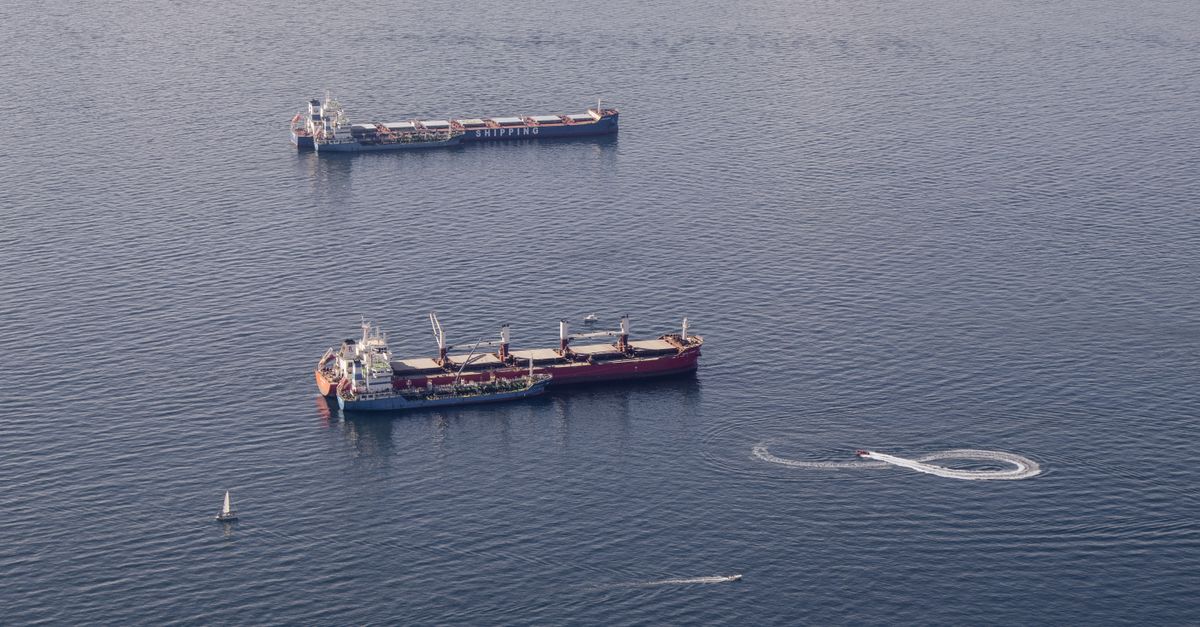
- Iran and Oman reportedly close to finalising a deal on the Strait of Hormuz
- Deal could reopen the strait, a key global oil shipping route
- Israel continues military operations in Lebanon amid regional tensions
- US and other stakeholders closely monitoring the situation
Tehran and Muscat signal breakthrough
Iran announced on Thursday that a deal with Oman to reopen the Strait of Hormuz is in its 'final stages'. The statement, carried by state media, marks the strongest signal yet that the two nations are close to resolving a standoff that has rattled global energy markets.
Omani officials have not publicly confirmed the timeline, but diplomatic sources indicate that talks have accelerated in recent weeks. The strait, through which nearly a fifth of the world's oil passes, has been a flashpoint since tensions escalated earlier this year.
What each side wants
For Tehran, the deal is about easing economic pressure. Reopening the strait would restore a vital revenue stream and reduce the impact of international sanctions. Iranian negotiators have framed the agreement as a 'humanitarian and economic necessity'.
Muscat, long a mediator in regional disputes, sees the deal as a way to bolster its neutral stance. Oman has maintained channels with both Iran and Western powers, and a successful agreement would cement its role as a diplomatic bridge.
The United States, which has naval assets in the region, has not issued a formal response. However, analysts note that Washington's primary concern remains the free flow of oil and preventing any single nation from controlling the waterway.
Israel's separate campaign continues
While the Hormuz talks progress, Israel has pressed on with strikes in Lebanon. The operations, which have drawn international condemnation, are seen as part of a broader strategy to weaken Iranian proxies along its northern border.
Israeli officials have described the campaign as targeted, but Lebanese authorities report civilian casualties. The UN has called for restraint, though no ceasefire appears imminent.
Global implications
The prospect of a reopened strait has already influenced oil prices, which dipped slightly on the news. Traders remain cautious, however, given the volatility of the region.
Shipping companies that had rerouted vessels around the Arabian Peninsula are watching for official confirmation. A formal agreement could take weeks to implement, even if signed promptly.
For now, the deal's fate hinges on technical details—navigation protocols, inspection procedures, and security guarantees. Both sides have said they are committed to a resolution, but past negotiations have faltered at this stage.
What to watch next
The coming days will reveal whether the 'final stages' rhetoric translates into a signed document. Observers will also track Israel's next moves in Lebanon, which could complicate any regional detente. For now, the world waits—and watches the strait.